
 |
|
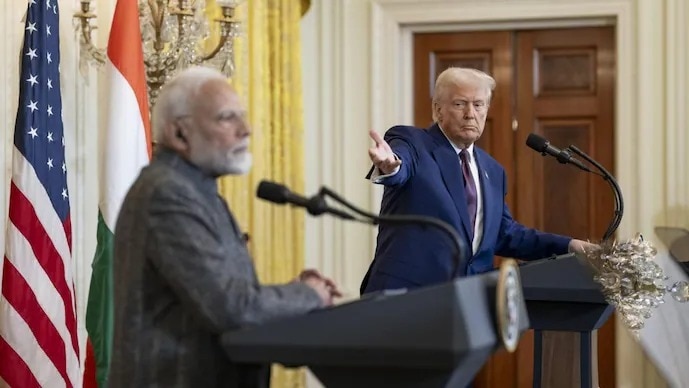
The article details the escalating tensions between the United States and India, primarily stemming from India's continued purchase of Russian oil and weapons in the wake of the ongoing conflict in Ukraine. The Trump administration, through Treasury Secretary Scott Bessent, has explicitly warned India of potential secondary sanctions and increased tariffs if President Trump's upcoming meeting with Russian President Vladimir Putin in Alaska fails to yield progress towards ending the war. This development throws a wrench into the already complex relationship between the two nations, placing India in a precarious position where it must balance its national energy security needs with the geopolitical pressures exerted by the US and its allies. The threat of tariffs, already at a substantial 50%, represents a significant economic challenge for India, potentially impacting a wide range of industries and consumer goods. This situation underscores the global ramifications of the Ukraine war, extending beyond the immediate conflict zone and impacting trade relations and diplomatic alliances worldwide. The US rationale centers on the argument that India's continued trade with Russia indirectly funds the Russian war effort, a claim that India vehemently disputes, citing its sovereign right to pursue its national interests and energy security. The upcoming meeting between Trump and Putin, therefore, assumes a crucial role not only in addressing the Ukraine crisis but also in shaping the future of US-India relations and the broader global geopolitical landscape. The article also touches upon the stalled trade negotiations between the US and India, highlighting the sticking points that have prevented a comprehensive agreement. These include India's protectionist policies concerning its agriculture and dairy markets, which the US views as barriers to free trade. The potential resumption of these negotiations, coinciding with the implementation of the 50% tariffs, creates a high-stakes environment where both nations must navigate carefully to avoid further escalation. The situation is further complicated by the involvement of Ukraine, which insists on being a party to any peace talks concerning its territory. President Zelenskyy has explicitly stated that Ukraine will not cede any territory to Russia, a position that clashes with Trump's previous suggestion of a possible "swapping of territories" as part of a peace agreement. This highlights the complex and multifaceted nature of the conflict, where various actors have competing interests and objectives, making a resolution all the more challenging. The article ultimately paints a picture of a world grappling with the consequences of the Ukraine war, where long-standing alliances are being tested and new geopolitical alignments are emerging. India's position as a major global power and its strategic relationship with both the US and Russia places it at the center of this complex web of international relations, forcing it to make difficult choices that will have far-reaching consequences. The outcome of the Trump-Putin meeting, the future of US-India trade relations, and the resolution of the Ukraine conflict are all intertwined, creating a volatile and uncertain global landscape. The ramifications of the US warnings to India also extend to other nations potentially engaging in similar trade relationships with Russia, creating a chilling effect that could reshape global trade patterns and economic alliances. The article does not provide an in-depth analysis of the potential economic impact of the tariffs on Indian industries, but it clearly indicates that they would be substantial. The response from the Indian government, characterized as "unfair, unjustified, and unreasonable," suggests a willingness to resist US pressure and defend its national interests. This sets the stage for a potentially protracted period of diplomatic and economic maneuvering, where both nations will seek to leverage their respective strengths to achieve their objectives. The role of other global powers, such as China and the European Union, is not explicitly addressed in the article, but their influence on the situation cannot be ignored. China's close relationship with Russia and its growing economic power make it a significant factor in the global balance of power, while the EU's strong support for Ukraine and its economic ties with both India and the US position it as a key player in shaping the international response to the conflict. The long-term implications of the US warnings to India extend beyond the immediate economic and political considerations. They also raise fundamental questions about the future of global trade, the role of sanctions in international relations, and the balance between national sovereignty and international cooperation. The article serves as a reminder of the interconnectedness of the modern world and the challenges of navigating the complex and often conflicting interests of nations in an increasingly multipolar global order. It showcases the delicate balance between economic interdependence, political alliances, and national security concerns that defines the contemporary international landscape. The events described in the article highlight the challenges of maintaining stable and productive relationships in a world where global events quickly and unexpectedly impact the economic and political wellbeing of nations. In conclusion, the US warnings to India, as detailed in the article, represent a significant development in the ongoing global response to the Ukraine war and underscore the complex interplay of economic, political, and security considerations that shape international relations in the 21st century.
The potential for increased tariffs and sanctions against India by the United States highlights the intricate web of global politics and the far-reaching consequences of international conflicts. India, a major player on the world stage with its rapidly growing economy and strategic importance, finds itself caught between its historical ties with Russia and the growing pressure from the US to align with Western policies against Moscow. This situation is not simply a matter of economics or trade; it is deeply intertwined with national security, energy independence, and the overall geopolitical balance of power. The US's stance, articulated by Treasury Secretary Scott Bessent, is a clear message that Washington expects its allies and partners to actively participate in isolating Russia economically, aiming to weaken its ability to continue the war in Ukraine. However, India's perspective is rooted in its own national interests. The country relies heavily on Russian oil and weapons, which are often offered at competitive prices. Diversifying these sources would be a costly and time-consuming endeavor, potentially impacting India's economic growth and defense capabilities. Moreover, India has historically maintained a non-aligned foreign policy, seeking to balance its relationships with various global powers without fully committing to any particular bloc. This approach allows India to pursue its own strategic goals and maintain its independence in a complex and rapidly changing world. The proposed Trump-Putin meeting in Alaska represents a potential turning point in the Ukraine conflict, but also a significant moment for US-India relations. If Trump can successfully broker a peace deal that is acceptable to both Ukraine and Russia, it could alleviate the pressure on India and ease the tensions between Washington and New Delhi. However, if the meeting fails to produce a positive outcome, the US is likely to intensify its pressure on India, potentially leading to further sanctions and trade restrictions. This scenario could have significant economic consequences for India, impacting its exports, investments, and overall growth. The article also touches upon the stalled trade negotiations between the US and India, highlighting the persistent differences in trade policies and market access. These issues, combined with the current tensions over Russia, create a challenging environment for both countries to forge a stronger economic partnership. Resolving these differences would require a willingness from both sides to compromise and address each other's concerns. India's concerns about protecting its agriculture and dairy markets are rooted in its desire to safeguard the livelihoods of its farmers and rural communities. The US, on the other hand, seeks greater access to these markets for its agricultural products. Finding a balance between these competing interests is essential for a successful trade agreement. The role of other global powers in this situation should not be underestimated. China, with its close relationship with Russia and its growing economic influence, could potentially offer India an alternative source of oil and weapons, reducing its dependence on Russia and lessening the pressure from the US. However, closer ties with China could also raise concerns about India's strategic independence and its relations with other countries. The European Union, a strong supporter of Ukraine, also has a vested interest in resolving the conflict and maintaining stability in the region. The EU could potentially play a mediating role between the US and India, helping to bridge the differences and find a common ground. The long-term implications of the US's actions towards India are significant, not only for the two countries but also for the broader global order. The US's willingness to use sanctions and trade restrictions as tools of foreign policy could have a chilling effect on other countries, discouraging them from engaging in trade with Russia or other nations targeted by US sanctions. This could lead to a fragmentation of the global economy and a weakening of the multilateral trading system. The article serves as a reminder of the complex and interconnected nature of global politics and the challenges of navigating the competing interests of nations in a rapidly changing world. India's position as a major player on the world stage requires it to carefully balance its relationships with various global powers and make strategic decisions that will impact its future economic and security prospects.
The situation described in the article underscores the delicate balancing act India must perform on the global stage. As a major emerging economy and a strategic partner to both the United States and Russia, India finds itself in a precarious position, navigating the complexities of international relations amidst the ongoing conflict in Ukraine. The threat of secondary sanctions and increased tariffs from the US, as articulated by Treasury Secretary Bessent, highlights the pressure India faces to align its foreign policy with Western interests. However, India's own national interests, particularly its energy security and defense needs, dictate a more nuanced approach. The country's reliance on Russian oil and weapons is not simply a matter of cost-effectiveness; it is a strategic imperative that cannot be easily replaced. Diversifying these sources would require significant investment and time, potentially jeopardizing India's economic growth and defense preparedness. Moreover, India has historically maintained a non-aligned foreign policy, seeking to balance its relationships with various global powers without fully committing to any particular bloc. This approach allows India to pursue its own strategic goals and maintain its independence in a complex and rapidly changing world. The upcoming meeting between President Trump and President Putin in Alaska represents a critical juncture in the Ukraine conflict and could have significant implications for US-India relations. A successful outcome, resulting in a ceasefire and a path towards a peaceful resolution, would likely alleviate the pressure on India and ease the tensions with the US. However, a failure to achieve progress could lead to further escalation, with the US potentially imposing stricter sanctions and tariffs on India. The article also touches upon the stalled trade negotiations between the US and India, highlighting the persistent differences in trade policies and market access. These issues, combined with the current tensions over Russia, create a challenging environment for both countries to forge a stronger economic partnership. Resolving these differences would require a willingness from both sides to compromise and address each other's concerns. India's concerns about protecting its agriculture and dairy markets are rooted in its desire to safeguard the livelihoods of its farmers and rural communities. The US, on the other hand, seeks greater access to these markets for its agricultural products. Finding a balance between these competing interests is essential for a successful trade agreement. The role of other global powers in this situation should not be underestimated. China, with its close relationship with Russia and its growing economic influence, could potentially offer India an alternative source of oil and weapons, reducing its dependence on Russia and lessening the pressure from the US. However, closer ties with China could also raise concerns about India's strategic independence and its relations with other countries. The European Union, a strong supporter of Ukraine, also has a vested interest in resolving the conflict and maintaining stability in the region. The EU could potentially play a mediating role between the US and India, helping to bridge the differences and find a common ground. The long-term implications of the US's actions towards India are significant, not only for the two countries but also for the broader global order. The US's willingness to use sanctions and trade restrictions as tools of foreign policy could have a chilling effect on other countries, discouraging them from engaging in trade with Russia or other nations targeted by US sanctions. This could lead to a fragmentation of the global economy and a weakening of the multilateral trading system. The article serves as a reminder of the complex and interconnected nature of global politics and the challenges of navigating the competing interests of nations in a rapidly changing world. India's position as a major player on the world stage requires it to carefully balance its relationships with various global powers and make strategic decisions that will impact its future economic and security prospects. The situation is further complicated by the potential for unintended consequences. Sanctions and tariffs, while intended to pressure specific countries or individuals, can often have unintended negative impacts on other economies and societies. This is particularly true in the case of India, a rapidly growing economy with a large population and a significant role in global trade. Imposing strict sanctions on India could harm its economic growth, potentially leading to social unrest and instability. This, in turn, could have negative consequences for the entire region and beyond. Therefore, it is crucial for policymakers to carefully consider the potential consequences of their actions and to seek alternative solutions that are less likely to have unintended negative impacts. The situation also highlights the importance of diplomacy and dialogue in resolving international disputes. Rather than resorting to threats and sanctions, the US and India should engage in constructive dialogue to address their concerns and find mutually acceptable solutions. This would require a willingness from both sides to compromise and to understand each other's perspectives. Ultimately, a strong and cooperative relationship between the US and India is essential for maintaining stability and promoting prosperity in the region and the world. The current tensions over Russia should not be allowed to undermine this relationship. By engaging in constructive dialogue and seeking mutually acceptable solutions, the US and India can overcome their differences and work together to address the challenges facing the global community. The US must also realize that India has its own unique geopolitical concerns, and it cannot simply be expected to follow the US line on every issue. A more nuanced and understanding approach is needed if the US wants to maintain a strong relationship with India. In conclusion, the situation described in the article underscores the complex challenges facing India as it navigates the treacherous waters of international relations. The threat of sanctions and tariffs from the US highlights the pressure India faces to align its foreign policy with Western interests. However, India's own national interests, particularly its energy security and defense needs, dictate a more nuanced approach. By engaging in constructive dialogue and seeking mutually acceptable solutions, the US and India can overcome their differences and work together to address the challenges facing the global community.
Source: US warns India of sanctions, more tariffs if Trump-Putin Alaska talks fail