
 |
|
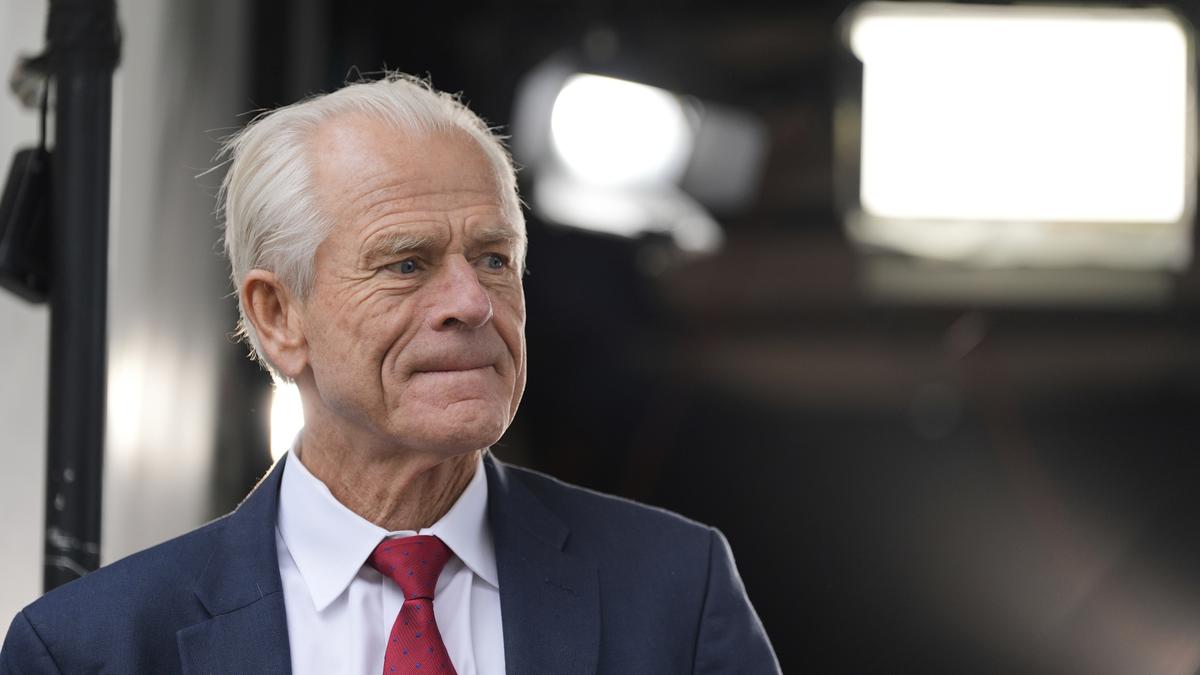
The imposition of additional tariffs on India by the United States, characterized by White House trade advisor Peter Navarro as a “national security issue,” represents a significant escalation in trade tensions between the two nations. This move, prompted by India’s continued purchase of Russian oil, underscores the complexities of international relations and the interwoven nature of economic and security concerns. The core argument presented by the Trump administration, and reiterated by Navarro, is that India's procurement of Russian oil indirectly finances Russia’s military actions in Ukraine, thereby undermining U.S. efforts to support Ukraine and maintain stability in the region. This rationale frames the tariffs not merely as a trade dispute, but as a necessary measure to safeguard American national security interests. The imposition of a 25% additional duty, effectively doubling existing tariffs on Indian goods, is a punitive measure designed to pressure India into altering its energy procurement strategy. The U.S. argues that India’s refusal to cease buying Russian oil provides Russia with essential financial resources that are then used to fuel its military operations. Navarro’s statement that “every American needs to understand the math of this” highlights the administration’s attempt to garner public support for the tariffs by linking India’s actions to the ongoing conflict in Ukraine and the burden it places on American taxpayers. He paints a stark picture of American dollars flowing to India, then to Russia, ultimately contributing to the conflict in Ukraine, and requiring further investment from the U.S. to counteract the Russian threat. This narrative simplifies a complex geopolitical situation, yet it resonates with a segment of the American public concerned about the costs and consequences of foreign policy decisions. However, this US perspective on the matter is not universally shared. The Indian government has responded to the tariffs by asserting that they are “unjustified and unreasonable.” The Ministry of External Affairs has stated that India, like any major economy, will take necessary measures to protect its national interests and economic security. This response indicates a firm stance against what India perceives as an unfair targeting of its economy. India’s strategic calculus likely involves a combination of factors, including its long-standing relationship with Russia, its energy security needs, and its desire to maintain an independent foreign policy. Diversifying its energy sources is a complex and time-consuming process, and reliance on Russian oil may be viewed as a pragmatic decision given prevailing market conditions and geopolitical realities. The US justification for the tariffs, while rooted in national security concerns, raises several questions regarding the consistency and proportionality of its approach. The fact that China, which purchases more Russian oil than India, has not been subjected to similar tariffs underscores the complexities of the U.S.’s relationship with China and the potential for economic self-harm in escalating trade tensions with such a significant trading partner. Navarro’s explanation that the U.S. already has high tariffs on China suggests a pragmatic calculation aimed at avoiding further disruption to bilateral trade relations. However, this explanation may also be viewed as inconsistent, raising questions about whether the tariffs on India are truly about national security or are driven by other considerations. The imposition of tariffs on India is not an isolated event; it is part of a broader pattern of protectionist trade policies implemented by the U.S. in recent years. These policies, often justified on national security grounds, have disrupted global trade flows and strained relationships with key allies. The long-term consequences of these policies are difficult to predict, but they are likely to include increased costs for consumers, reduced competitiveness for businesses, and heightened uncertainty in the global economy. The issue of India's oil purchases from Russia is a multifaceted one, reflecting the intricate interplay of economics, geopolitics, and national security. While the US views India's actions as undermining its efforts to counter Russian aggression, India sees them as a necessary measure to secure its energy needs and maintain its independence. Ultimately, resolving this dispute will require diplomacy, mutual understanding, and a willingness to address the underlying issues driving India's energy procurement decisions. The imposition of tariffs may serve as a short-term pressure tactic, but a more sustainable solution will require a broader engagement aimed at fostering a more cooperative and mutually beneficial relationship between the US and India.
The argument that India's purchase of Russian oil directly funds Russia's war in Ukraine is a point of considerable debate. While it is undeniable that the revenue generated from oil sales contributes to the Russian economy, the extent to which these funds are directly allocated to military spending is difficult to ascertain. Money is fungible, and the revenue from oil sales can be used to finance a wide range of government activities, including social programs, infrastructure projects, and military expenditures. It is also worth noting that Russia has other sources of revenue, including natural gas exports, mineral resources, and domestic taxes. Therefore, singling out India's oil purchases as the primary driver of Russian military spending is a simplification of a complex economic reality. The US argument also overlooks the potential economic consequences of forcing India to abruptly cease buying Russian oil. India is a major energy consumer, and its economy is heavily reliant on imported oil. Disrupting India's energy supply could have severe repercussions for its economic growth, potentially leading to social unrest and instability. Such a scenario would not only harm India but could also undermine US strategic interests in the region. A stable and prosperous India is a valuable partner for the US in countering China's growing influence in Asia. Therefore, the US must carefully weigh the potential benefits of imposing tariffs against the potential costs of destabilizing India's economy. Furthermore, the US's decision to impose tariffs on India while maintaining relatively normal trade relations with China raises questions about the consistency and fairness of its foreign policy. China's human rights record is far worse than Russia's, and its aggressive behavior in the South China Sea poses a significant threat to regional stability. Yet, the US has chosen not to impose similar tariffs on China, presumably because of the enormous economic consequences of doing so. This apparent double standard could be interpreted as a sign of weakness, undermining US credibility and encouraging other countries to disregard its warnings. A more consistent and principled foreign policy would involve applying similar standards to all countries, regardless of their economic size or strategic importance. This would not only enhance US credibility but would also create a more level playing field for international trade and investment. The India-US relationship has deepened significantly over the past two decades, with both countries recognizing the strategic importance of their partnership in addressing common challenges such as terrorism, climate change, and regional security. The imposition of tariffs on India risks undermining this hard-won progress and could create lasting resentment between the two countries. A more constructive approach would involve engaging in a frank and open dialogue with India to address US concerns about its oil purchases from Russia. This dialogue could explore alternative energy sources for India, as well as ways to mitigate the economic impact of reducing its reliance on Russian oil. It could also involve offering India incentives to reduce its dependence on Russian oil, such as access to US energy technology and investment. Ultimately, a strong and enduring relationship between the US and India is in the best interests of both countries. The current dispute over India's oil purchases from Russia should not be allowed to derail this partnership. By engaging in diplomacy, showing understanding, and offering incentives, the US can work with India to find a solution that addresses its concerns without undermining India's economic security or strategic autonomy.
Examining the geopolitical context surrounding India's oil purchases from Russia is crucial to understanding the complexities of the situation. India, as a rising global power, navigates a multi-polar world, balancing its relationships with various nations, including the United States, Russia, and China. Its strategic autonomy is a cornerstone of its foreign policy, and it strives to make decisions that best serve its national interests, which encompass economic growth, energy security, and regional stability. Russia has historically been a reliable partner for India, particularly in defense and energy. Their relationship dates back to the Cold War era, and Russia has consistently provided India with advanced military equipment and crucial energy resources. This long-standing partnership cannot be easily dismissed, especially in a world where geopolitical alliances are constantly shifting. Diversifying its energy sources is a strategic objective for India, but it is a complex and time-consuming process that requires significant investment and infrastructure development. India's energy needs are immense, and it cannot afford to rely solely on a single source or region. Its efforts to secure energy from various suppliers, including the Middle East, Africa, and the United States, demonstrate its commitment to diversification. However, Russian oil remains a significant component of its energy mix due to its competitive pricing and reliable supply. The US perspective on India's oil purchases often overlooks the historical context and the challenges India faces in securing its energy needs. While the US emphasizes the need to isolate Russia economically, India prioritizes its own economic growth and energy security. These divergent perspectives highlight the inherent tensions in a multi-polar world, where nations pursue their own interests and priorities. The US should also consider the potential consequences of alienating India. A weakened and isolated India could become more susceptible to Chinese influence, which would undermine US strategic interests in the Indo-Pacific region. A strong and independent India is a valuable asset for the US in its efforts to maintain regional stability and counter China's growing assertiveness. Therefore, the US should adopt a more nuanced and strategic approach towards India, recognizing its unique position in the global order and its legitimate concerns about energy security. Engaging in constructive dialogue, offering incentives, and fostering a deeper understanding of India's perspective would be more effective than resorting to punitive measures like tariffs. The US should also work with India to identify alternative energy sources and to develop strategies to mitigate the economic impact of reducing its reliance on Russian oil. A collaborative approach would not only strengthen the US-India relationship but would also contribute to a more stable and prosperous Indo-Pacific region. The imposition of tariffs on India is a short-sighted move that risks undermining the long-term strategic partnership between the two countries. A more nuanced and diplomatic approach is needed to address US concerns about India's oil purchases from Russia, while also recognizing India's legitimate needs and its strategic importance in the global order.
The long-term consequences of the US's actions extend beyond the immediate economic impact on India. This decision has the potential to reshape the geopolitical landscape, influencing alliances and trade relationships in ways that could be detrimental to US interests in the long run. When nations feel unfairly targeted or economically coerced, they may seek alternative partnerships and strengthen ties with countries that offer more favorable terms. In this context, India might be driven to enhance its cooperation with Russia and China, further consolidating the Sino-Russian axis, which is already a matter of concern for the US. Such a development would challenge the US's ability to maintain its influence in the Indo-Pacific region and could lead to a more fragmented and less predictable world order. The US needs to adopt a more holistic and far-sighted approach to its foreign policy, considering the long-term implications of its actions and the potential for unintended consequences. Imposing tariffs as a knee-jerk reaction to specific issues may provide short-term satisfaction, but it can damage relationships and undermine strategic goals in the long run. Building trust and fostering cooperation requires patience, understanding, and a willingness to engage in dialogue and compromise. The US should prioritize diplomacy and seek to address its concerns through negotiation and persuasion, rather than resorting to coercive measures that alienate its partners. Furthermore, the US needs to acknowledge the importance of multilateralism and work with international organizations and other nations to address global challenges. Unilateral actions, such as imposing tariffs without consulting allies or considering the broader implications, can erode trust and undermine the international system. The US should strive to be a responsible leader, working within the framework of international law and institutions to promote peace, stability, and prosperity. This requires a commitment to shared values, mutual respect, and a willingness to compromise. The US-India relationship is a valuable asset that should be nurtured and strengthened. It is based on shared democratic values, converging strategic interests, and growing economic ties. The current dispute over India's oil purchases from Russia should not be allowed to derail this partnership. By engaging in constructive dialogue, showing understanding, and offering incentives, the US can work with India to find a solution that addresses its concerns without undermining India's economic security or strategic autonomy. This will require a willingness to see the world from India's perspective and to recognize the challenges it faces in navigating a complex and rapidly changing global environment. Ultimately, a strong and enduring relationship between the US and India is in the best interests of both countries and the world. It is essential for maintaining regional stability, promoting economic growth, and addressing global challenges such as climate change and terrorism. The US should prioritize this relationship and avoid actions that could jeopardize its future.
Source: Imposition of additional duty on India ‘national security issue’: White House trade adviser