
 |
|
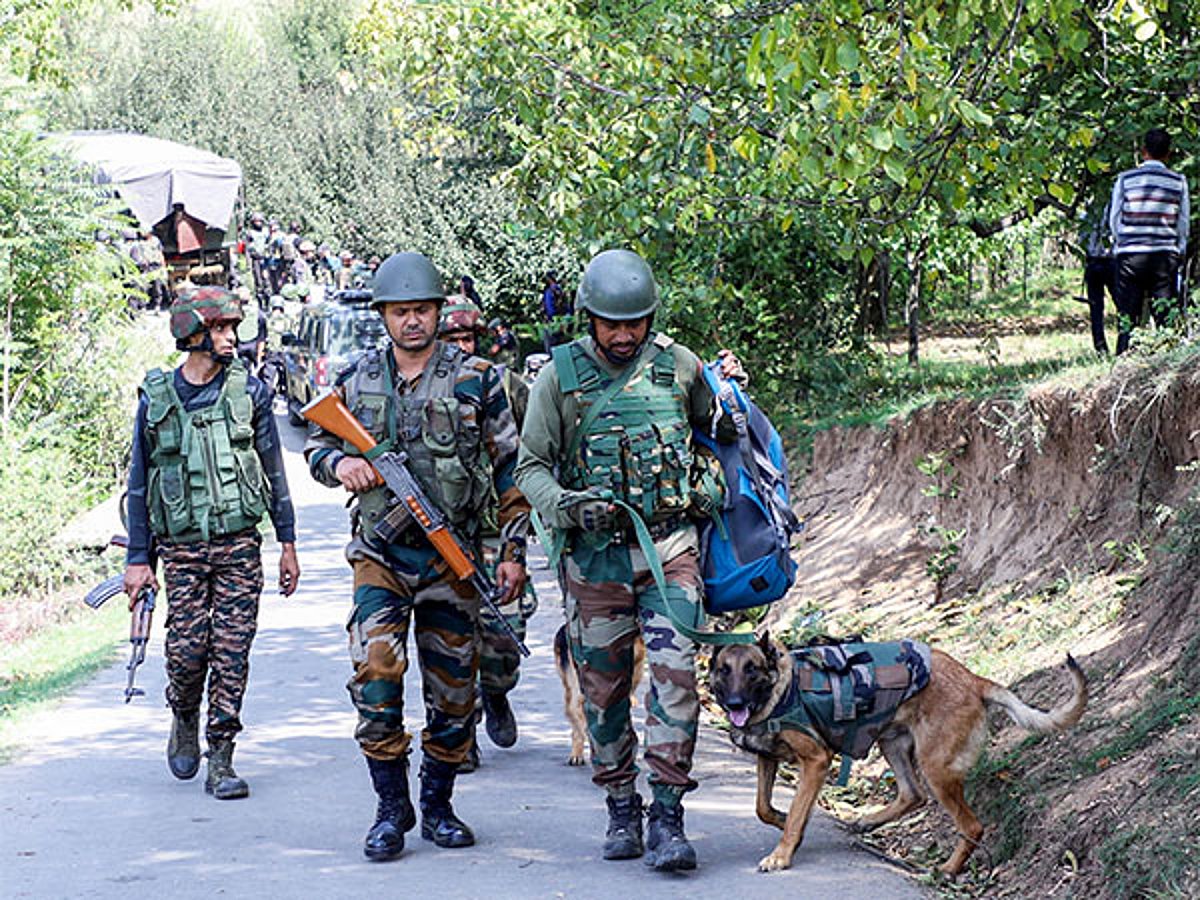
The sacrifice of Lance Naik Pritpal Singh and Sepoy Harminder Singh underscores the ongoing security challenges faced by India in the Jammu and Kashmir region. Their deaths, occurring during an anti-terror operation in the Akhal forest area of Kulgam district, highlight the persistent threat posed by militant groups operating in the region. The fact that one of the soldiers, Lance Naik Pritpal Singh, had only been married for four months adds a profound layer of tragedy to the event, emphasizing the personal cost of military service and the devastating impact on families left behind. The cremation of both soldiers with full military honors at their respective villages in Punjab is a testament to the nation's gratitude for their service and a solemn recognition of their ultimate sacrifice. This event resonates deeply within the communities from which these soldiers hailed, serving as a stark reminder of the dangers faced by those who serve in the armed forces. The outpouring of grief and the large number of mourners who gathered to pay their last respects further demonstrate the strong sense of community and the shared sorrow felt by the people of Punjab. These soldiers are not just statistics in a news report; they are sons, brothers, husbands, and members of a close-knit community. Their loss reverberates far beyond the immediate family, touching the lives of everyone who knew them and highlighting the sacrifices made by countless other service members who dedicate their lives to protecting the nation's security. The details provided about Lance Naik Pritpal Singh's recent marriage and his brother's statement about his expected leave further humanize the tragedy, painting a picture of a young man full of life and promise, whose future was tragically cut short. The narrative emphasizes the human cost of conflict and serves as a poignant reminder of the importance of seeking peaceful resolutions to disputes. The incident also raises broader questions about the nature of the conflict in Kashmir, the effectiveness of counter-terrorism operations, and the support provided to the families of fallen soldiers. While the article primarily focuses on the immediate aftermath of the soldiers' deaths, it implicitly raises concerns about the long-term implications of the ongoing violence in the region. It also prompts reflection on the psychological impact of such events on the families and communities affected, as well as the challenges faced by the Indian Army in maintaining security and stability in a volatile environment. The narrative also implicitly asks what more can be done to prevent such losses in the future, whether through improved intelligence gathering, more effective counter-terrorism strategies, or increased efforts to address the root causes of the conflict. The event also brings to light the bravery and dedication of the Indian Army soldiers who are constantly engaged in protecting the borders and maintaining peace in conflict zones. Their willingness to put their lives on the line for the sake of the nation deserves recognition and respect. The government and society at large have a responsibility to ensure that these soldiers and their families are adequately supported and honored for their service. The article, therefore, serves as a powerful reminder of the sacrifices made by the armed forces and the importance of striving for peace and stability in the region. The tragic loss of these two soldiers should serve as a catalyst for renewed efforts to address the underlying causes of the conflict and to find a lasting solution that will prevent future loss of life. The emphasis on the cremation with full military honors also highlights the importance of respecting and commemorating the service of fallen soldiers. This act of remembrance serves to honor their sacrifice and to ensure that their memory lives on. It also provides a sense of closure and comfort to the families and communities affected by their loss. The outpouring of grief and support for the families of the fallen soldiers demonstrates the strong sense of national pride and solidarity that exists in India. This shared sense of grief and loss can serve as a unifying force, bringing people together and strengthening the bonds of community. The article, therefore, serves as a reminder of the importance of remembering and honoring those who have served the nation, and of working towards a future where such sacrifices are no longer necessary. The reporting of this event also plays an important role in informing the public about the ongoing security challenges faced by India and the sacrifices made by its armed forces. By raising awareness about these issues, the media can help to foster a greater understanding and appreciation of the work of the military and the importance of supporting their efforts to protect the nation's security.
The specific location of the encounter, the Akhal forest area in Kulgam district, is significant because it points to the continuing presence of militant groups in the forested and mountainous regions of Kashmir. These areas provide cover and concealment for militants, making it difficult for security forces to effectively track and neutralize them. The anti-terror operation itself suggests that the Indian Army is actively engaged in seeking out and confronting these groups, but the fact that it was described as one of the 'longest' underscores the challenges and complexities involved in these operations. The duration of the operation suggests that the militants were well-entrenched and determined to resist, highlighting the need for sophisticated intelligence gathering and tactical planning. The reference to 'flushing out hiding terrorists' also implies that the militants were actively seeking to avoid detection and engage in acts of violence, further emphasizing the threat they pose to the civilian population and security forces alike. The details about the soldiers' units and specific roles are not provided in the article, but their designation as Lance Naik and Sepoy indicates that they were likely frontline soldiers actively involved in combat operations. Their training and experience would have been crucial in navigating the challenging terrain and engaging with the militants, but ultimately, they were unable to overcome the inherent risks of their profession. The emphasis on the full military honors accorded to the soldiers during their cremation ceremony is a standard practice, but it carries significant symbolic weight. It represents the nation's respect and gratitude for their service, as well as a formal recognition of their sacrifice. The presence of high-ranking military officials and government representatives at the ceremony would further underscore the importance of the event and the significance of the soldiers' contribution to national security. The grief expressed by the family members and the large turnout of mourners are also important aspects of the story. They highlight the personal impact of the conflict and the emotional toll it takes on individuals and communities. The stories of the soldiers' families, their hopes and dreams, and their experiences of loss and grief are often overlooked in broader discussions about national security, but they are essential for understanding the human dimension of the conflict. The brother of Lance Naik Pritpal Singh's statement about his brother's recent marriage and expected leave adds a particularly poignant touch to the story. It reminds us that these soldiers were not just nameless figures in uniform, but individuals with families, friends, and aspirations. Their loss is a tragedy not just for the nation, but also for those who knew and loved them. The absence of any mention of the militants involved in the encounter is notable. The article focuses primarily on the Indian soldiers and their sacrifice, rather than on the motives or identities of the militants. This could be interpreted as a deliberate editorial choice to avoid glorifying or legitimizing the actions of the militants, or it could simply be a reflection of the limited information available at the time of reporting. The lack of any information about the outcome of the anti-terror operation beyond the deaths of the two soldiers also leaves some questions unanswered. It is unclear whether any militants were killed or captured during the operation, or whether it achieved its broader objectives. This omission could be due to security concerns or simply a lack of available information, but it does leave the reader with a sense of incompleteness. Overall, the article provides a somber and respectful account of the deaths of two Indian soldiers in Kashmir. It highlights the personal cost of the conflict and the sacrifices made by those who serve in the armed forces. While it lacks some specific details about the encounter and the militants involved, it effectively conveys the tragedy of the event and the importance of honoring those who have given their lives in the service of the nation.
The event described in the article, while focused on the immediate tragedy of the soldiers' deaths, serves as a microcosm of the larger geopolitical landscape of the Jammu and Kashmir region. The ongoing conflict in Kashmir is rooted in a complex web of historical, political, and religious factors, and it has been a source of tension between India and Pakistan for decades. The presence of militant groups operating in the region is a symptom of these underlying tensions, and their activities pose a constant challenge to the security and stability of the area. The Indian Army's role in maintaining security in Kashmir is often fraught with difficulties. They are tasked with protecting the civilian population while also confronting armed militants, often in challenging terrain and under difficult circumstances. The soldiers face constant threats of violence and must exercise restraint and discipline in their interactions with the local population. The allegations of human rights abuses by security forces in Kashmir are a recurring concern, and these allegations often fuel resentment and alienation among the local population. It is essential that the Indian Army operates with transparency and accountability in order to maintain public trust and avoid exacerbating tensions. The Indian government's approach to Kashmir has been a subject of debate and criticism. Some argue that the government's policies have been too heavy-handed and have failed to address the underlying grievances of the Kashmiri people. Others argue that the government has been too lenient and that a stronger approach is needed to suppress militancy and maintain order. Finding a lasting solution to the Kashmir conflict will require a comprehensive approach that addresses the political, economic, and social grievances of the Kashmiri people. This will require dialogue, compromise, and a willingness to address the root causes of the conflict. The international community also has a role to play in promoting peace and stability in the region. The United Nations has repeatedly called for a peaceful resolution to the Kashmir dispute, and various countries have offered to mediate between India and Pakistan. However, any lasting solution will ultimately require the agreement and cooperation of the parties involved. The economic development of Kashmir is also crucial for promoting peace and stability. Poverty and unemployment can fuel resentment and make young people more vulnerable to recruitment by militant groups. Investing in education, infrastructure, and economic opportunities can help to create a more stable and prosperous society, and reduce the appeal of violence and extremism. The role of the media in reporting on the Kashmir conflict is also important. The media has a responsibility to provide accurate and unbiased information about the situation on the ground, and to avoid sensationalizing or inflaming tensions. Responsible journalism can help to foster understanding and empathy, and to promote a more informed public debate about the conflict. The tragic deaths of Lance Naik Pritpal Singh and Sepoy Harminder Singh serve as a reminder of the human cost of the Kashmir conflict. Their sacrifice should inspire renewed efforts to find a peaceful and lasting solution to the dispute, and to create a future where such tragedies are no longer necessary. The government, the military, the media, and the international community all have a role to play in achieving this goal.
Source: Two Punjab soldiers killed in J&K encounter cremated with full military honours at native villages