
 |
|
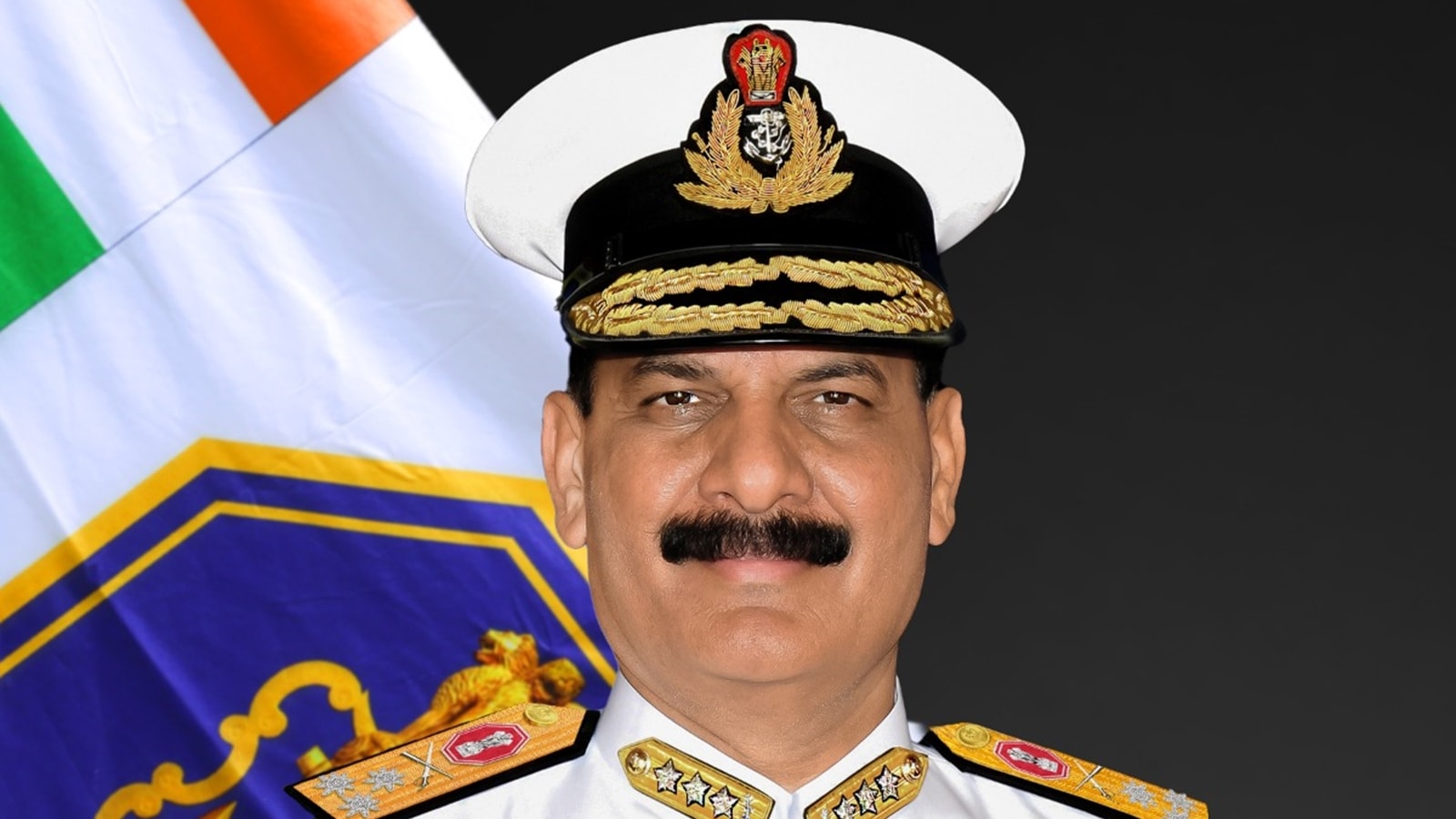
The Indian military's ongoing efforts to integrate its three services into unified theater commands are facing both progress and persistent challenges, as highlighted by recent statements from top military officers. The Navy Chief, Admiral Dinesh Kumar Tripathi, reiterated the Navy's commitment to aligning its capabilities with the Army and Air Force to achieve the theaterisation goal. This commitment encompasses synergizing command and control, communications, and combat capabilities, aiming for unified planning, a common operational picture, and integrated operations. However, the path to this integration is not without its hurdles, as evidenced by differing perspectives among the services regarding the structure and implementation of theater commands. The Air Chief Marshal A P Singh, for instance, advocated for a more cautious approach, suggesting the establishment of a joint planning and coordination center in Delhi under the Chiefs of Staff Committee to enhance jointness before rushing into the creation of theater commands. These differing viewpoints underscore the complexities involved in transforming a traditionally service-centric military structure into a more integrated and coordinated fighting force. The Chief of Defence Staff, General Anil Chauhan, acknowledged the “dissonance” within the services and pledged to address it in the best interest of the nation, emphasizing that the current environment allows for open discussion and differing views without escalating tensions. This commitment to addressing concerns and fostering a collaborative environment is crucial for overcoming the inherent challenges of integrating three distinct services with their own cultures, doctrines, and priorities.
The concept of theaterisation, which involves creating geographically defined commands with integrated forces from all three services under a single commander, is intended to enhance operational efficiency, improve coordination, and optimize resource utilization. The goal is to move away from a siloed approach, where each service operates largely independently, towards a more integrated and synergistic approach that leverages the unique capabilities of each service. This transformation is driven by the evolving nature of modern warfare, which demands greater interoperability, faster decision-making, and a more holistic approach to defense. However, the implementation of theaterisation is a complex undertaking that requires careful planning, extensive coordination, and a willingness to overcome institutional resistance. The differing views among the services reflect concerns about potential loss of autonomy, challenges in integrating different doctrines and technologies, and the need to ensure that each service's unique capabilities are effectively utilized within the new command structure. The Navy, for example, may have specific concerns about maintaining its maritime domain awareness and its ability to project power across the Indian Ocean, while the Air Force may prioritize the preservation of its air assets and its ability to conduct air operations across a wide geographical area. Addressing these concerns and finding common ground is essential for ensuring that the theaterisation plan is successful and that it enhances, rather than diminishes, the overall effectiveness of the Indian military. The comments from the Navy Chief also highlight the evolving security challenges in the maritime domain, including unregulated and illegal fishing and the activities of survey vessels in strategic waters, a veiled reference to China's growing presence in the Indian Ocean. These activities, often carried out by non-state actors or entities operating under the guise of civilian activities, can be used to gather intelligence, exert pressure on neighboring countries, and undermine regional stability. The Navy's concerns underscore the need for enhanced maritime domain awareness, improved surveillance capabilities, and a more robust response to these emerging threats.
The Navy Chief's remarks about “gray-zone actors” and the use of fishing fleets and survey vessels for intelligence gathering highlight a significant shift in the nature of maritime security challenges. Traditional naval warfare focused primarily on state-to-state conflicts involving warships and submarines. However, the rise of non-state actors, the increasing use of dual-use technologies, and the blurring of lines between civilian and military activities have created a more complex and ambiguous security environment. Fishing fleets equipped with satellite communication and long-range sensors can act as extensions of national strategy, providing real-time positional and surveillance intelligence to their governments. Similarly, research and survey vessels can gather hydrographic intelligence and map the seabed, which can be of significant military value. These activities often fall below the threshold of armed conflict, making it difficult to respond using traditional military means. The Navy's concerns underscore the need for a more comprehensive approach to maritime security that includes enhanced intelligence gathering, improved surveillance capabilities, and closer cooperation with other agencies and countries in the region. The changing dynamics of war-fighting at sea, as highlighted by the Navy Chief, also emphasize the impact of emerging technologies on traditional asymmetries in warfare. While larger navies once held a significant advantage in terms of firepower and technological capabilities, today, even smaller actors can leverage technology to pose a significant threat. The proliferation of anti-ship missiles, drones, and cyber capabilities has eroded the traditional advantages of larger navies and created new vulnerabilities. This means that even smaller navies can now effectively challenge larger navies in certain areas, and that asymmetric warfare tactics are becoming increasingly important. The Navy's concerns underscore the need for continuous investment in research and development, the adoption of new technologies, and the development of innovative strategies to counter these emerging threats.
Furthermore, Gen Chauhan’s affirmation of addressing service differences and resolving dissonance in the best interest of the nation is crucial. Recognizing the long-standing traditions and distinct operational cultures of each service is essential for a smooth transition toward integrated commands. The concerns expressed by veterans about protecting their “turfs” highlight the deeply ingrained resistance to change that must be overcome through transparent communication, collaborative planning, and a clear articulation of the benefits of theaterisation. The CDS's acknowledgement of the delay in implementing integrated commands, stating that these plans should have been attempted around a decade ago, underscores the urgency of accelerating the integration process. The longer the delay, the greater the potential for the Indian military to fall behind in adapting to the evolving security landscape and leveraging the full potential of its combined capabilities. Closing this gap requires a concerted effort from all stakeholders, including the political leadership, the military leadership, and the various departments and agencies involved in defense planning and procurement. It also requires a willingness to embrace innovation, experiment with new organizational structures, and adapt to the changing needs of the Indian military. The ongoing discussions and debates surrounding theaterisation reflect a broader trend in modern militaries around the world, which is the push towards greater integration, interoperability, and jointness. As the nature of warfare evolves, so too must the structures and processes of military organizations. The Indian military's commitment to theaterisation is a recognition of this reality and a determination to adapt to the challenges and opportunities of the 21st century security environment. The success of this endeavor will depend on the ability of the Indian military to overcome internal challenges, embrace new technologies, and foster a culture of collaboration and innovation.
The Ran Samwad 2025, the two-day tri-service dialogue at the Army War College in Mhow, provided a crucial platform for these discussions. Such forums allow for open exchange, identification of sticking points, and collaborative solution-finding, accelerating the integration process by building trust and shared understanding among the different services. Moreover, the transparent nature of these discussions, even when revealing differences of opinion, fosters a more robust and resilient integration process. By acknowledging and addressing challenges head-on, the Indian military can build a stronger foundation for future cooperation and ensure that the theaterisation plan is implemented effectively and efficiently. In conclusion, the Indian military's theaterisation plan represents a significant undertaking with the potential to transform the country's defense capabilities. While challenges remain, the commitment from top military officers to address concerns, foster collaboration, and accelerate the integration process is a positive sign. As the security landscape continues to evolve, the Indian military must continue to adapt and innovate to meet the challenges of the future. The theaterisation plan is a crucial step in this direction, and its success will depend on the collective efforts of all stakeholders.