
 |
|
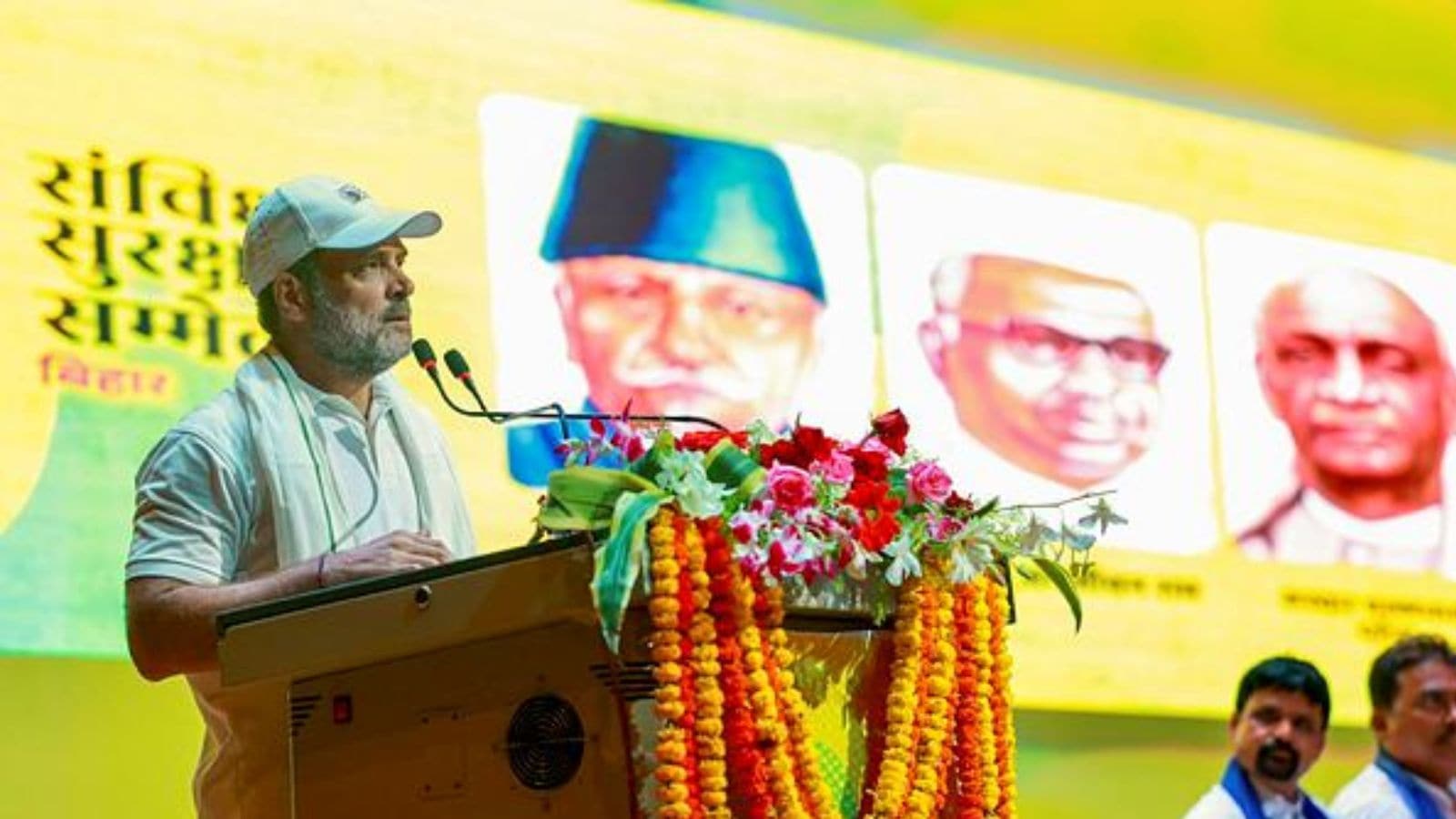
The political landscape in Bihar is witnessing a flurry of activity as Rahul Gandhi's “Voter Adhikar Yatra” approaches its culmination. Originally planned as a rally at the historic Gandhi Maidan in Patna, the Congress party has strategically shifted gears, opting instead for a padyatra, a foot march, through the streets of the capital city. This tactical alteration, according to Congress sources, is designed to amplify the Yatra's message and resonate more profoundly with the populace in the lead-up to the upcoming Assembly elections. The Yatra, spanning 16 days and covering a substantial 1,300 kilometers across 23 districts, has served as a platform for Rahul Gandhi to voice concerns regarding alleged “vote chori” by the Election Commission (EC) and the BJP, particularly in relation to the special intensive revision (SIR) of electoral rolls in Bihar. This core message has been consistently reiterated, with support from RJD leader Tejashwi Prasad Yadav and other prominent figures within the INDIA bloc. The decision to conclude the Yatra with a procession from Gandhi Maidan to Babasaheb Ambedkar’s statue is symbolic, representing a journey towards safeguarding democracy and the voting rights of the people. The Congress party anticipates a significant turnout for the march, with claims of “lakhs” expected to participate, signaling a substantial show of support for the INDIA bloc. The change in strategy reflects a calculated effort to maximize the Yatra's impact and project a united front against the BJP-led government. The rationale behind opting for a procession over a rally stems from the belief that a visible march through the streets of Patna will create a more visceral and lasting impression on the electorate. The presence of Rahul Gandhi and other INDIA bloc leaders walking alongside the people is intended to convey a message of solidarity and commitment to protecting their voting rights. This approach is perceived as more effective than simply gathering leaders for a rally, which may not generate the same level of public engagement or media attention. Moreover, the involvement of alliance partners, such as CPI(ML) Liberation, has influenced the decision to prioritize a procession. These partners have emphasized the importance of demonstrating a united presence on the streets, sending a clear signal to the public that the INDIA bloc is actively fighting for their rights. The Congress party is actively working to ensure that representatives from all INDIA alliance parties participate in the Patna march, underscoring the importance of collective action and a unified message. However, the participation of the Trinamool Congress (TMC) remains uncertain, highlighting the complexities and potential challenges in maintaining a cohesive alliance. The Yatra's slogan, “vote chor gaddi chhodh,” draws parallels to Rahul Gandhi’s earlier “chowkidar chor hai” campaign during the 2019 Lok Sabha elections. While the previous campaign failed to resonate sufficiently to prevent a BJP victory, the Congress party is confident that the current slogan will have a greater impact, given the perceived growing disillusionment with Prime Minister Narendra Modi’s rhetoric. The party believes that the public is becoming increasingly aware of the alleged misdeeds of the BJP-led government and is seeking to punish them at the ballot box, starting with the upcoming Bihar elections. The success of the Yatra and the subsequent march in Patna will be crucial in determining the INDIA bloc's prospects in the state and beyond. It represents a significant test of their ability to mobilize support, unify their message, and effectively challenge the dominance of the BJP. The outcome will have far-reaching implications for the future of Indian politics.
The decision to alter the concluding event of Rahul Gandhi's Voter Adhikar Yatra from a grand rally at Gandhi Maidan to a padyatra culminating at Babasaheb Ambedkar's statue reflects a nuanced understanding of the political dynamics in Bihar and the broader Indian context. The Congress party, in consultation with its INDIA bloc allies, has opted for a strategy that prioritizes direct engagement with the electorate, aiming to create a more profound and lasting impact on the public consciousness. The shift from a static rally to a dynamic procession underscores the importance of visibility and accessibility in contemporary political campaigning. In an era saturated with information and competing narratives, capturing the attention of voters requires more than just eloquent speeches and carefully crafted soundbites. It demands a physical presence, a tangible demonstration of solidarity, and a clear articulation of the issues that resonate most deeply with the people. The padyatra, as a form of political mobilization, has a rich history in India, dating back to Mahatma Gandhi's Salt March and other iconic movements that galvanized public opinion and challenged oppressive regimes. By emulating this tradition, Rahul Gandhi and the INDIA bloc are seeking to tap into the reservoir of collective memory and evoke a sense of historical continuity. The choice of Babasaheb Ambedkar's statue as the final destination of the march is also significant. Ambedkar, the architect of the Indian Constitution and a champion of social justice, represents the ideals of equality, democracy, and the protection of marginalized communities. By concluding the Yatra at this symbolic location, the Congress party is aligning itself with Ambedkar's legacy and signaling its commitment to upholding the constitutional principles that he so fiercely defended. The Yatra's focus on alleged “vote chori” and the special intensive revision (SIR) of electoral rolls in Bihar raises serious concerns about the integrity of the electoral process. Ensuring free and fair elections is the cornerstone of any democracy, and any attempt to manipulate or undermine the voting rights of citizens must be met with strong resistance. The Congress party's decision to make this issue a central theme of the Yatra reflects its commitment to safeguarding democratic institutions and holding those responsible for electoral malpractices accountable. The participation of RJD leader Tejashwi Prasad Yadav and other INDIA bloc leaders in the Yatra highlights the importance of coalition politics in the Indian context. In a diverse and fragmented political landscape, alliances are often necessary to challenge the dominance of a single party or ideology. The INDIA bloc, as a coalition of opposition parties, represents an attempt to forge a united front against the BJP and offer a credible alternative to the current government. The success of this alliance will depend on its ability to overcome internal divisions, articulate a coherent policy platform, and effectively mobilize support from diverse constituencies. The Congress party's confidence that the slogan “vote chor gaddi chhodh” will resonate more deeply with the public than the previous “chowkidar chor hai” campaign is based on the perception that public disillusionment with Prime Minister Narendra Modi and the BJP-led government has grown significantly in recent years. Issues such as rising unemployment, economic inequality, and the handling of the COVID-19 pandemic have fueled discontent and created an opening for the opposition to capitalize on. However, it remains to be seen whether the INDIA bloc can effectively translate this discontent into electoral gains. The BJP, with its vast resources and sophisticated propaganda machinery, is a formidable opponent. The INDIA bloc will need to mount a concerted and sustained campaign to convince voters that it offers a better vision for the future of India.
The stakes are undeniably high as Rahul Gandhi’s Voter Adhikar Yatra nears its culminating point in Patna. More than just a political procession, this event serves as a crucial litmus test for the INDIA bloc's cohesion, its resonance with the electorate, and its overall viability as a potent opposition force against the incumbent BJP-led government. The deliberate shift from a conventional rally to a padyatra – a foot march – speaks volumes about the evolving strategies employed in contemporary Indian politics, where symbolism, direct engagement, and a tangible connection with the masses are paramount. The decision is not merely tactical; it's a strategic realignment that aims to amplify the Yatra’s core message of protecting voting rights and combating perceived electoral malpractices. The choice of Babasaheb Ambedkar's statue as the culmination point is deeply symbolic, invoking the ideals of social justice, equality, and the safeguarding of constitutional principles. Ambedkar's legacy serves as a potent reminder of the ongoing struggle for inclusivity and the need to protect the rights of marginalized communities. By associating the Yatra with Ambedkar's values, the INDIA bloc aims to project an image of social responsibility and commitment to democratic ideals. The active participation of key INDIA bloc leaders, including RJD's Tejashwi Yadav, underscores the importance of coalition politics in the Indian context. The formation of alliances is often essential to challenge the dominance of a single party, and the INDIA bloc represents a concerted effort to forge a unified front against the BJP. However, the success of such alliances hinges on the ability to bridge ideological differences, maintain internal cohesion, and effectively mobilize support from diverse constituencies. The uncertainty surrounding the Trinamool Congress's participation in the Patna march highlights the inherent challenges in maintaining a united front. The Yatra's central theme – the alleged “vote chori” and the concerns surrounding the special intensive revision (SIR) of electoral rolls – raises critical questions about the integrity of the electoral process. Ensuring free and fair elections is fundamental to a functioning democracy, and any attempts to manipulate or undermine the voting rights of citizens must be fiercely resisted. The Congress party's emphasis on this issue underscores its commitment to safeguarding democratic institutions and holding those responsible for electoral malpractices accountable. The comparison between the Yatra’s slogan, “vote chor gaddi chhodh,” and Rahul Gandhi's earlier “chowkidar chor hai” campaign highlights the evolving political narrative and the changing perceptions of the electorate. While the previous campaign failed to achieve its intended impact, the Congress party believes that growing public disillusionment with the BJP-led government creates a more fertile ground for the current message to resonate. Issues such as economic inequality, unemployment, and the handling of the COVID-19 pandemic have fueled discontent and created an opportunity for the opposition to capitalize on. However, the BJP remains a formidable opponent, possessing vast resources, a well-organized party structure, and a sophisticated propaganda machine. The INDIA bloc faces a significant challenge in effectively countering the BJP’s narrative and convincing voters that it offers a more compelling vision for the future. The outcome of the Patna march and the subsequent electoral battles will be crucial in determining the future of Indian politics and the balance of power between the ruling party and the opposition. The Yatra represents a pivotal moment in the ongoing struggle for the soul of India, and its success or failure will have far-reaching implications for the country’s democratic institutions and its social fabric.
Source: In Congress plan rejig, Rahul Yatra to end with Patna march amid INDIA show