
 |
|
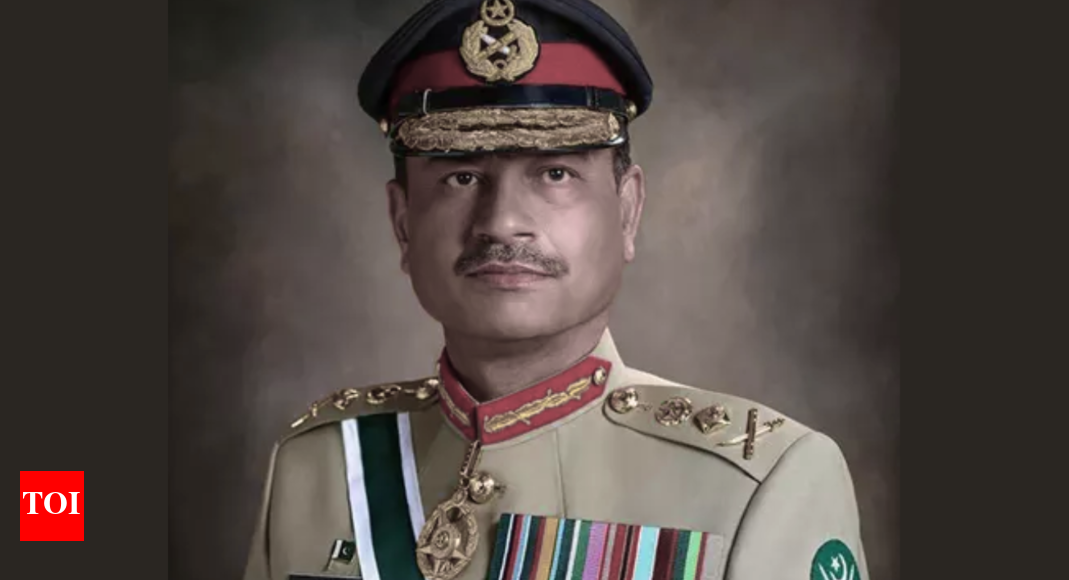
General Asim Munir, Pakistan’s military chief, found himself in the unenviable position of becoming the subject of widespread ridicule following a rather ill-conceived analogy made during an event in Tampa, Florida. Munir's attempt to illustrate the current state of Pakistan vis-à-vis India backfired spectacularly, drawing laughter and derision online. His crude comparison of India to a shining Mercedes or Ferrari on a highway and Pakistan to a dump truck full of gravel not only inadvertently underscored the vast economic and developmental disparity between the two nations but also provided ammunition to critics eager to highlight Pakistan's struggles. The statement, reportedly made at a Pakistani community event, quickly went viral, prompting a deluge of memes and jokes centered on the supposed inadequacies of the 'dump truck' and the seemingly inevitable breakdown or overturning of the vehicle before it could even encounter the 'Mercedes.'
The crux of the issue lies in the undeniable reality that Pakistan's economy has been grappling with severe challenges for decades. Crippled by excessive military spending funded through borrowed money, the country has struggled to develop a robust and diversified economy capable of competing on the global stage. This reliance on debt and the lack of substantial export-oriented industries have left Pakistan vulnerable to external shocks and dependent on foreign aid. Munir's attempt to portray Pakistan as a nation on the cusp of an economic breakthrough, fueled by purported oil discoveries and mineral wealth, rings hollow in the face of the country's persistent economic woes. The promise of vast natural resources has been a recurring theme in Pakistani political discourse for decades, dating back to Prime Minister Z.A. Bhutto's pronouncements 50 years ago. Yet, these promises have consistently failed to materialize, leaving the country mired in economic stagnation. The comparison to India, a nation that has experienced significant economic growth in recent decades, only serves to amplify Pakistan's shortcomings.
India's economic trajectory has been marked by a shift towards a more liberalized and market-oriented economy, attracting foreign investment and fostering innovation in sectors such as technology and manufacturing. The country's success in developing a skilled workforce and its focus on export-oriented industries have contributed to its emergence as a major economic power. While India still faces significant challenges related to poverty and inequality, its overall economic progress has been undeniable. In contrast, Pakistan's economic policies have been hampered by political instability, corruption, and a lack of investment in education and infrastructure. The country's reliance on military spending has diverted resources away from crucial sectors such as education and healthcare, hindering its long-term development prospects. Furthermore, Pakistan's relationship with the United States has been characterized by periods of close alignment followed by periods of tension and mistrust. While the US has provided Pakistan with significant amounts of aid over the years, this assistance has often been tied to specific political or security objectives, rather than being focused on sustainable economic development.
The timing of Munir's remarks is particularly noteworthy, given the ongoing political turmoil in Pakistan. The incarceration of PTI leader Imran Khan and the protests organized by his supporters both within Pakistan and abroad highlight the deep divisions within Pakistani society. Munir's attempt to invoke former Indian Prime Minister Vajpayee's quote about the 'brain gain' associated with immigration to the US seems somewhat ironic, given the current wave of emigration from Pakistan driven by economic hardship and political uncertainty. The protests that greeted Munir during his visit to the United States underscore the deep dissatisfaction with the current state of affairs in Pakistan and the lack of confidence in the country's leadership. Munir's attempts to reassure the Pakistani diaspora about the country's future, highlighting its strong partnerships with the US, Saudi Arabia, the UAE, and China, are unlikely to resonate with those who have witnessed the country's economic decline and political instability firsthand. The claim that 64% of Pakistan's population consists of 'dynamic youth' represents a potential asset, but this demographic dividend can only be realized if the country invests in education, job creation, and opportunities for social mobility.
Pakistan's hopes for economic recovery are currently pinned on securing renewed US interest, particularly in its purported oil and mineral wealth. However, convincing the United States to invest in Pakistan's economy will require more than just promises of untapped resources. The US will likely demand greater transparency, accountability, and a commitment to good governance before committing significant resources to Pakistan. The history of failed promises and unfulfilled potential casts a long shadow over Pakistan's efforts to attract foreign investment. The country's reputation for corruption and its history of political instability make it a risky investment destination. Furthermore, the presence of foreign 'grifters' eyeing Pakistan's mineral wealth raises concerns about the potential for exploitation and environmental damage. The prospect of economic manna for Pakistan remains elusive, and Munir's crude analogy serves as a stark reminder of the challenges that the country faces. The stark trade imbalance between the US and Pakistan, with India’s bilateral trade being significantly larger, highlights the deep-rooted structural issues in Pakistan’s economy that need to be addressed.
The challenge for Pakistan is to move beyond rhetoric and implement concrete reforms that will promote sustainable economic growth, attract foreign investment, and create opportunities for its citizens. This will require a concerted effort to address corruption, improve governance, invest in education and infrastructure, and diversify the economy. The country must also find a way to reduce its reliance on military spending and prioritize investments in social development. While Pakistan's natural resources may hold some potential, they are unlikely to be a panacea for the country's economic woes. Real progress will require a fundamental shift in economic policies and a commitment to good governance. Ultimately, Pakistan's future will depend on its ability to create a stable and prosperous society that can compete on the global stage. The image of the 'dump truck full of gravel' may linger in the public consciousness, but Pakistan has the potential to transform itself into something more than just a vehicle laden with unrealized potential. It requires visionary leadership, sound economic policies, and a commitment to good governance to pave the way for a brighter future. The international community, including the United States, can play a constructive role in supporting Pakistan's efforts to achieve sustainable economic development, but ultimately, the responsibility for transforming the country's fortunes lies with the Pakistani people and their leaders.
The repercussions of General Munir's comparison extend beyond mere social media ridicule. It lays bare the uncomfortable truth about Pakistan's economic vulnerabilities and its widening gap with its neighbor, India. In an era where economic strength is increasingly intertwined with geopolitical influence, Pakistan's economic fragility poses a significant challenge to its regional standing. The perception of Pakistan as a 'dump truck' struggling to keep pace with India's 'Mercedes' can have detrimental effects on its ability to attract foreign investment, secure favorable trade deals, and exert influence in international forums. The analogy, while perhaps unintentionally revealing, underscores the urgent need for Pakistan to address its economic challenges and embark on a path of sustainable development. It also highlights the importance of responsible leadership and the need for public figures to exercise caution when discussing sensitive issues related to national pride and economic performance. The incident serves as a cautionary tale about the power of language and the potential for even seemingly innocuous remarks to have far-reaching consequences. For Pakistan, the challenge is to learn from this episode and to redouble its efforts to build a stronger and more prosperous economy that can compete on the global stage.
The protests organized by supporters of Imran Khan during General Munir's visit to the United States further complicate the situation. These protests reflect the deep political divisions within Pakistani society and the growing dissatisfaction with the country's leadership. The protesters' demands for accountability and transparency resonate with many Pakistanis who have grown weary of corruption and political instability. Munir's attempt to downplay the significance of these protests by invoking Vajpayee's quote about the 'brain gain' associated with immigration to the US rings hollow in the context of the current exodus of skilled professionals from Pakistan. The brain drain is a serious problem for Pakistan, as it deprives the country of the talent and expertise needed to drive economic growth and innovation. The protests also highlight the challenges that Pakistan faces in managing its relationship with the United States. While Pakistan relies on US aid and investment, its relationship with the US has been strained by differences over issues such as counterterrorism and regional security. Munir's attempts to reassure the US about Pakistan's commitment to stability and security may be met with skepticism, given the country's history of supporting extremist groups and its ongoing political turmoil. Ultimately, Pakistan's ability to secure renewed US interest will depend on its willingness to address these concerns and to demonstrate a genuine commitment to reform.
The article rightly points out Pakistan's banking on purported oil discoveries. This has been a recurring theme in Pakistani discourse over decades. But, the promised wealth has never actually realized. This underscores the challenges Pakistan faces in attracting foreign investment. Also, the risk inherent in banking hopes on future finds instead of developing current industries. It’s also a problem that many developing nations face. The over-reliance on potential future resources over the present state. This also comes as Munir speaks with US partnerships growing. A closer inspection could show that these partnerships may be conditional on specific political factors. It is evident they’re not only in economic development. Overall, the situation reveals a broader issue of misaligned perspectives, and the need for grounded realistic development strategies.
Furthermore, the significant trade imbalance between the United States and Pakistan, compared to the flourishing trade between the United States and India, paints a vivid picture of the structural disparities in their respective economies. While India boasts a robust and diversified trade relationship with the United States, Pakistan's trade figures pale in comparison, underscoring the urgent need for Pakistan to enhance its competitiveness and diversify its export base. This imbalance is not merely a matter of numbers; it reflects deeper systemic issues that require comprehensive reforms. Pakistan needs to invest in infrastructure, streamline its regulatory environment, and promote innovation to attract foreign investment and boost its exports. Without these fundamental changes, Pakistan will continue to lag behind its regional counterparts and struggle to achieve sustainable economic growth. The analogy used by General Munir, although perhaps unintentionally revealing, serves as a wake-up call for Pakistan to confront its economic challenges head-on and embark on a path of transformation. It is a reminder that rhetoric alone is not enough; concrete actions and tangible results are needed to bridge the gap and secure a brighter future for the nation.