
 |
|
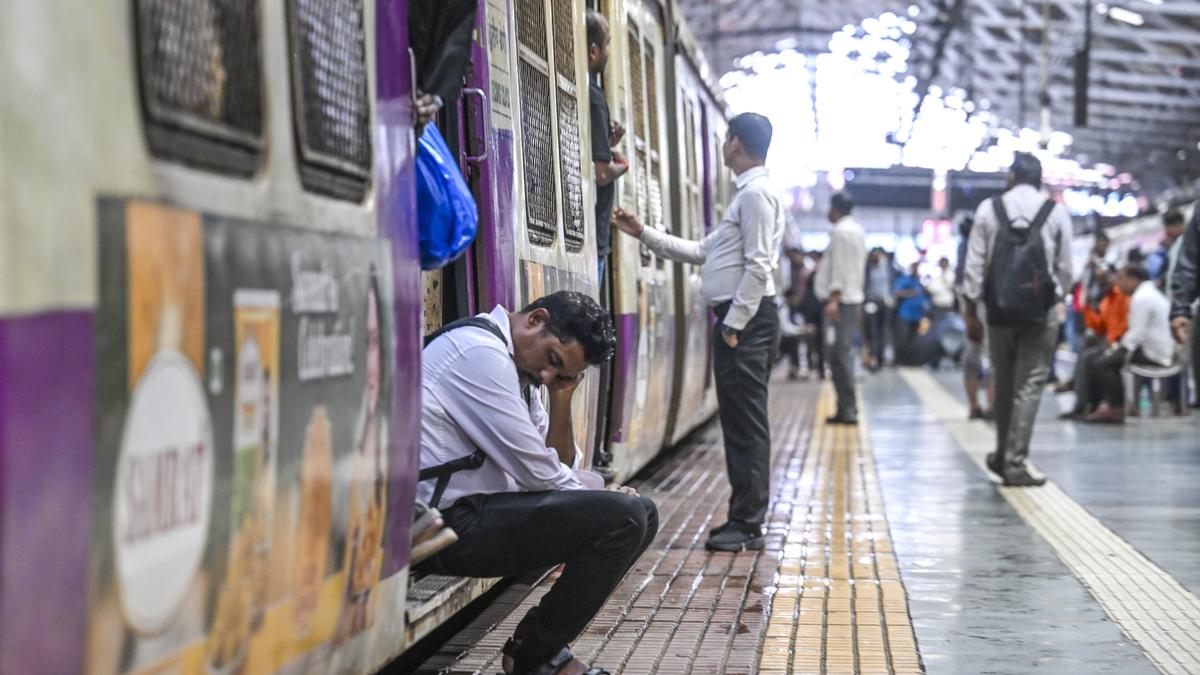
Mumbai, the bustling metropolis and financial capital of India, experienced a day of intermittent rains and light to moderate showers on Sunday, August 24, 2025. According to officials, various areas of the city witnessed rainfall, but the intensity remained manageable, preventing any major disruptions to daily life. Unlike the heavy downpour experienced just days prior, which caused significant flooding and transportation chaos, Sunday's rainfall was relatively benign. The Brihanmumbai Municipal Corporation (BMC) reported that areas such as Dadar, Andheri, Borivali, Mulund, Lalbaug, and Chembur received intermittent showers throughout the day. These areas, known for their dense populations and vibrant commercial activity, generally coped well with the weather conditions. The city's drainage infrastructure, while often tested during extreme weather events, appeared to function adequately, preventing widespread waterlogging. The relative lack of disruption was a welcome relief for residents and commuters alike, particularly after the previous week's challenges. The India Meteorological Department (IMD) played a crucial role in keeping the public informed about the weather conditions. Their forecasts predicted a cloudy sky with light to moderate rain in the city and its suburbs for the next day, allowing residents to prepare accordingly. This proactive dissemination of information is vital in a city like Mumbai, where weather patterns can change rapidly and significantly impact daily activities. The effectiveness of early warnings and preparedness measures can make a substantial difference in mitigating the effects of heavy rainfall events. Mumbai's geographical location makes it particularly vulnerable to monsoon-related challenges. The city's low-lying areas are prone to flooding, and the aging infrastructure struggles to cope with the immense volume of water during heavy rainfall. Climate change is exacerbating these challenges, with more frequent and intense rainfall events becoming the norm. This necessitates a comprehensive and long-term strategy to improve the city's resilience to extreme weather. Such a strategy must include upgrading the drainage system, improving early warning systems, promoting sustainable urban planning, and educating the public about disaster preparedness. The previous week's heavy rains, which submerged roads and rail tracks and led to flight and train disruptions, served as a stark reminder of the city's vulnerability. The incident highlighted the urgent need for investment in infrastructure and disaster management capabilities. While Sunday's intermittent rains did not cause similar chaos, they underscored the ongoing need for vigilance and preparedness. Mumbai's resilience to weather-related challenges depends not only on physical infrastructure but also on the collective efforts of its residents, government agencies, and civil society organizations. A collaborative approach is essential to ensure that the city can withstand the increasing impacts of climate change and continue to thrive as a vibrant economic and cultural hub.
The IMD's role in forecasting weather patterns and providing timely warnings is paramount. Accurate and reliable forecasts enable residents and authorities to take necessary precautions, reducing the potential for damage and disruption. The IMD utilizes a range of sophisticated tools and technologies, including weather satellites, radar systems, and computer models, to monitor atmospheric conditions and predict future weather events. However, forecasting is not an exact science, and there is always a degree of uncertainty involved. The complexity of weather systems and the limitations of current technology mean that forecasts can sometimes be inaccurate. Despite these limitations, the IMD's forecasts are an essential tool for disaster preparedness and risk management. By continuously improving its forecasting capabilities and communicating effectively with the public, the IMD can play a crucial role in protecting lives and property. The BMC also plays a critical role in managing the city's response to extreme weather events. The corporation is responsible for maintaining the drainage system, coordinating emergency services, and providing assistance to affected residents. The BMC's response to the previous week's heavy rains was criticized by some, who argued that the corporation could have done more to prevent flooding and mitigate the impact on commuters. However, the BMC faces significant challenges in managing a city of Mumbai's size and complexity. The sheer scale of the city's population and infrastructure makes it difficult to respond effectively to every emergency. Moreover, the BMC is often constrained by limited resources and bureaucratic hurdles. To improve its effectiveness, the BMC needs to invest in training and equipment, streamline its decision-making processes, and foster greater collaboration with other government agencies and civil society organizations. The city's residents also have a role to play in disaster preparedness. By taking simple steps such as clearing drains around their homes, avoiding travel during heavy rains, and staying informed about weather warnings, residents can help to reduce the risk of flooding and other weather-related hazards. Community-based initiatives and public awareness campaigns can be effective in promoting disaster preparedness and building resilience at the local level. These initiatives can also help to foster a sense of community and encourage neighbors to support each other during emergencies.
The issue of urban planning and infrastructure development is closely intertwined with Mumbai's vulnerability to flooding. The city's rapid growth over the past few decades has led to unplanned development, encroachment on natural drainage channels, and the construction of buildings in flood-prone areas. These factors have exacerbated the city's vulnerability to flooding and increased the risk of damage and disruption during heavy rainfall events. Sustainable urban planning is essential to reduce the city's vulnerability to flooding and other climate-related hazards. This includes enforcing building codes, protecting natural drainage channels, promoting green infrastructure, and investing in public transportation to reduce traffic congestion. Green infrastructure, such as parks, gardens, and green roofs, can help to absorb rainwater and reduce runoff, mitigating the risk of flooding. Investing in public transportation can reduce traffic congestion, which can exacerbate flooding by blocking drainage channels. The long-term sustainability of Mumbai depends on addressing these issues and adopting a more holistic and integrated approach to urban planning. The city's economic development also needs to be considered in the context of climate change. Mumbai is a major economic hub, and its continued prosperity is essential for the economic well-being of India. However, climate change poses a significant threat to the city's economy. Flooding, heat waves, and other extreme weather events can disrupt business operations, damage infrastructure, and reduce productivity. Adapting to climate change is therefore essential to ensure the long-term sustainability of Mumbai's economy. This includes investing in climate-resilient infrastructure, promoting sustainable business practices, and diversifying the city's economy to reduce its dependence on climate-sensitive sectors. The challenges facing Mumbai are not unique to the city. Many other cities around the world are grappling with the impacts of climate change and the need to build resilience to extreme weather events. By learning from the experiences of other cities and sharing best practices, Mumbai can enhance its own resilience and contribute to the global effort to combat climate change. The future of Mumbai depends on its ability to adapt to climate change and build a more sustainable and resilient future. This requires a concerted effort from all stakeholders, including government agencies, businesses, civil society organizations, and individual citizens. By working together, Mumbai can overcome the challenges it faces and continue to thrive as a vibrant and prosperous city.
Source: Intermittent rains in Mumbai; IMD predicts light to moderate showers