
 |
|
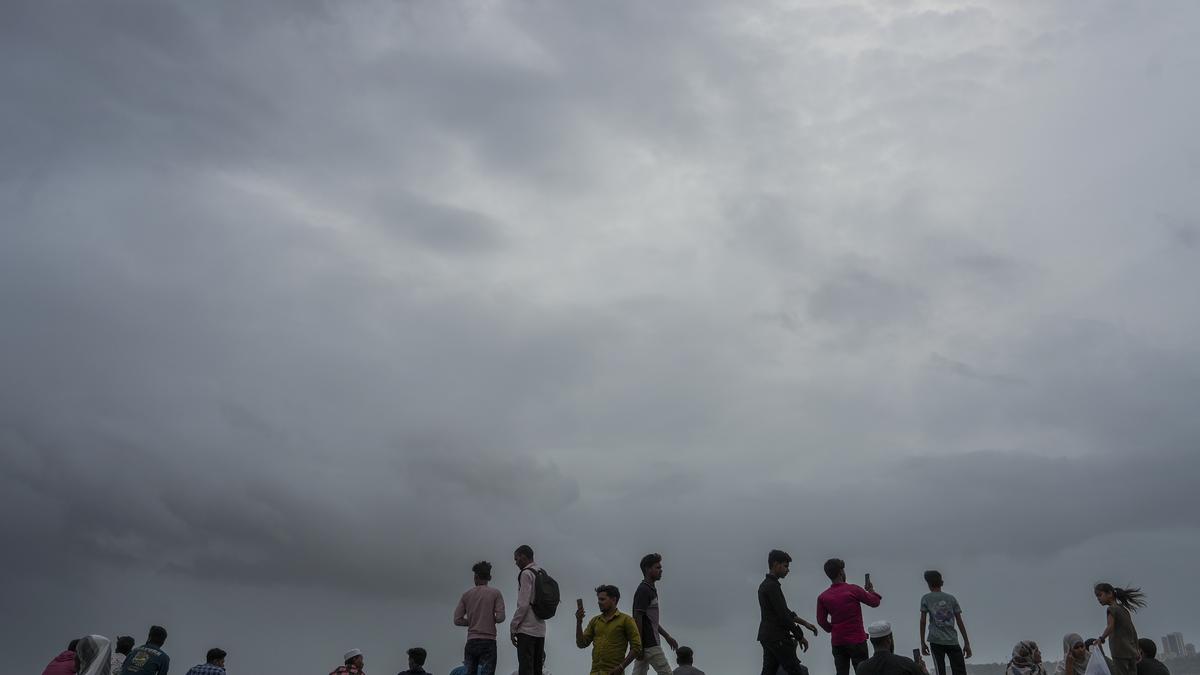
The relentless monsoon season has once again demonstrated its capacity to disrupt normalcy, as evidenced by the recent heavy rains that battered Maharashtra, India, on Wednesday, August 20, 2025. The deluge triggered widespread flooding, landslides, and infrastructural damage, impacting the lives of countless residents. While the India Meteorological Department (IMD) offered a glimmer of hope with predictions of decreased rainfall intensity from Thursday, the immediate aftermath presented a daunting picture of devastation and recovery. The severity of the situation underscored the vulnerability of urban and rural communities alike to extreme weather events, emphasizing the urgent need for robust disaster preparedness and mitigation strategies. The rains not only disrupted daily routines but also claimed lives, highlighting the potential dangers associated with inadequate infrastructure and safety measures during periods of intense rainfall. The electrocution incidents, in particular, served as a stark reminder of the risks posed by exposed electrical wires and faulty power lines in flood-affected areas. The resilience of the city was, however, evident in the swift resumption of public transport services and the reopening of educational institutions, signaling a determination to overcome the challenges posed by the natural disaster. The events of the past week provide a compelling case study for examining the complex interplay between climate change, urban planning, and public safety. As global warming continues to exacerbate extreme weather patterns, it becomes increasingly imperative to invest in resilient infrastructure, develop effective early warning systems, and implement comprehensive disaster management plans. The situation in Maharashtra underscores the need for a multi-faceted approach that addresses both the immediate consequences of natural disasters and the long-term challenges of climate adaptation. This includes strengthening building codes, improving drainage systems, and promoting public awareness about safety precautions during periods of heavy rainfall. Furthermore, the tragedy highlights the importance of community involvement in disaster preparedness efforts, empowering local residents to take proactive steps to protect themselves and their families. The experience of Mumbai serves as a valuable lesson for other cities and regions facing similar threats, emphasizing the critical role of proactive planning and collaborative action in mitigating the impacts of extreme weather events. The recovery process will undoubtedly be long and arduous, requiring sustained efforts from government agencies, non-governmental organizations, and the community at large. However, by learning from the past and investing in a more resilient future, it is possible to reduce the vulnerability of urban and rural populations to the devastating effects of climate change.
The incidents of electrocution, resulting in the tragic loss of six lives, demand a thorough investigation into the safety standards and maintenance practices of the electricity infrastructure in Maharashtra. The death of five family members in Jalgaon district after coming into contact with a live wire near a farmland raises serious questions about the enforcement of safety regulations and the adequacy of preventative measures. Similarly, the electrocution of a 17-year-old youth in Mumbai’s Bhandup area after stepping on a fallen electricity cable underscores the need for regular inspections and repairs of power lines, particularly in areas prone to flooding. These incidents highlight the potential dangers posed by aging infrastructure and the importance of investing in modern technologies to enhance safety and reliability. The electricity distribution companies must be held accountable for ensuring that their systems are designed and maintained to withstand extreme weather conditions. This includes implementing measures to prevent power outages, detect and isolate faults quickly, and protect the public from electrical hazards. Furthermore, public awareness campaigns should be conducted to educate residents about the risks associated with downed power lines and the importance of reporting any potential hazards to the authorities. The government should also consider providing financial assistance to low-income families to enable them to upgrade their electrical systems and reduce the risk of electrocution. In addition to improving the physical infrastructure, it is also essential to strengthen the regulatory framework and ensure that safety standards are rigorously enforced. This includes conducting regular audits of electricity distribution companies and imposing penalties for non-compliance. The tragic loss of life in these electrocution incidents serves as a wake-up call, reminding us of the urgent need to prioritize safety and invest in a more resilient electricity infrastructure.
The swift resumption of public transport services in Mumbai following the heavy rains demonstrates the city’s commitment to minimizing disruption and restoring normalcy. The reopening of local trains, a vital artery for millions of commuters, was crucial in enabling people to return to work and resume their daily routines. Similarly, the reopening of schools and colleges signaled a return to normalcy for students and educators alike. However, it is important to acknowledge that the recovery process is ongoing, and many challenges remain. The floods have undoubtedly caused significant damage to homes, businesses, and infrastructure, and it will take time and resources to fully repair the damage. The government must provide adequate support to affected communities, including financial assistance, temporary housing, and access to essential services. Furthermore, it is essential to learn from this experience and implement measures to prevent similar disruptions in the future. This includes investing in improved drainage systems, strengthening building codes, and developing effective early warning systems. The resilience of Mumbai is a testament to the spirit and determination of its people. However, it is also a reminder of the urgent need to address the challenges posed by climate change and invest in a more sustainable and resilient future. By working together, government agencies, non-governmental organizations, and the community at large can build a city that is better prepared to withstand the impacts of extreme weather events and ensure the safety and well-being of all its residents.
The predicted decrease in rainfall intensity by the India Meteorological Department (IMD) from Thursday offered a much-needed respite after the intense downpour that crippled Mumbai. However, the reliance on meteorological predictions also highlights the critical need for continuous improvement in forecasting accuracy and dissemination. The effectiveness of early warning systems hinges not only on the precision of weather models but also on the timely and accessible communication of alerts to the public. Furthermore, effective dissemination strategies must consider the diverse needs of the population, including those with limited access to technology or language barriers. Public education campaigns can play a crucial role in raising awareness about the meaning of weather alerts and the appropriate actions to take in response. The IMD’s role in providing timely and accurate weather information is indispensable, but its impact can be amplified through collaboration with local authorities, community organizations, and media outlets. By working together, these stakeholders can ensure that weather alerts reach the people who need them most and that individuals are empowered to make informed decisions to protect themselves and their families. The recent events in Mumbai underscore the importance of investing in advanced weather forecasting technologies and developing comprehensive communication strategies to enhance the effectiveness of early warning systems. The ability to predict and prepare for extreme weather events is essential for mitigating their impacts and protecting lives and livelihoods.
The narrative surrounding the Mumbai rains also brings into focus the often-overlooked vulnerabilities of marginalized communities. Slums and informal settlements, often located in low-lying areas or near drainage systems, are disproportionately affected by flooding. These communities typically lack adequate infrastructure and resources to cope with the impacts of extreme weather events, making them particularly vulnerable to displacement, disease, and economic hardship. The government must prioritize the needs of these communities in disaster preparedness and response efforts. This includes providing access to safe and affordable housing, improving drainage systems in informal settlements, and ensuring that vulnerable populations have access to essential services during and after disasters. Furthermore, it is essential to empower marginalized communities to participate in decision-making processes related to disaster preparedness and climate adaptation. By involving them in the planning and implementation of solutions, we can ensure that their needs are met and that they are better equipped to cope with the challenges of climate change. The events in Mumbai serve as a reminder that climate change is not just an environmental issue, but also a social justice issue. Addressing the vulnerabilities of marginalized communities is essential for building a more equitable and resilient society.
In conclusion, the heavy rains that impacted Maharashtra in August 2025 serve as a stark reminder of the vulnerability of urban and rural communities to extreme weather events. The floods, landslides, and electrocution incidents highlight the urgent need for robust disaster preparedness and mitigation strategies, improved infrastructure, and a greater emphasis on public safety. The swift resumption of public transport services and the reopening of educational institutions demonstrate the resilience of the city, but the recovery process will undoubtedly be long and arduous. The government must provide adequate support to affected communities, learn from this experience, and invest in a more sustainable and resilient future. By working together, government agencies, non-governmental organizations, and the community at large can build a city that is better prepared to withstand the impacts of extreme weather events and ensure the safety and well-being of all its residents. The events in Mumbai also underscore the importance of addressing the vulnerabilities of marginalized communities and prioritizing social justice in climate adaptation efforts. Climate change is not just an environmental issue, but also a social issue that requires a comprehensive and equitable response. As global warming continues to exacerbate extreme weather patterns, it is imperative to take proactive steps to protect lives, livelihoods, and the environment.
Source: Mumbai rains LIVE: Schools, colleges reopen after relief from heavy rains