
 |
|
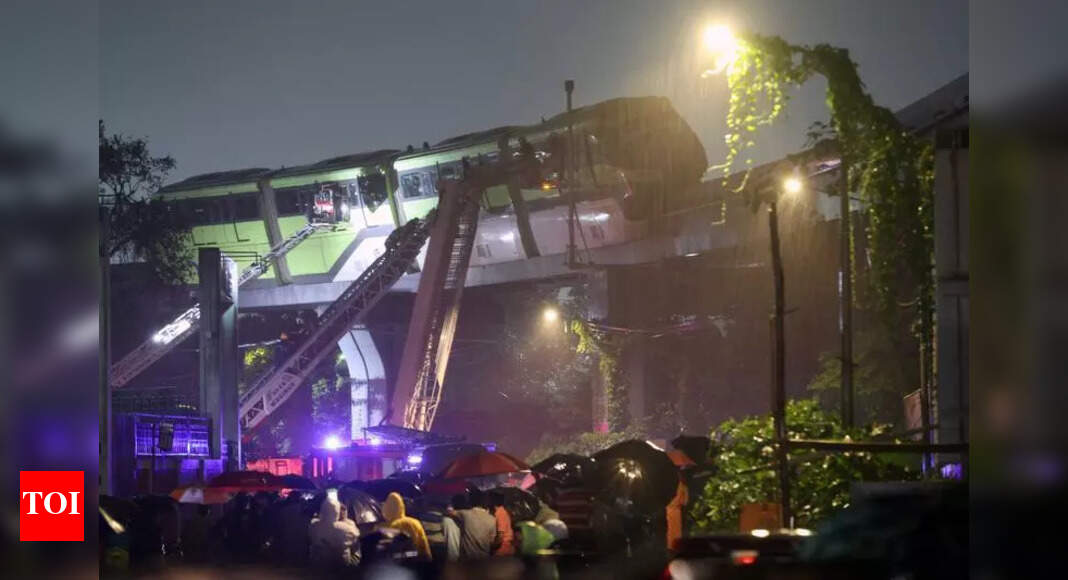
The recent disruptions on the Mumbai Monorail, resulting in hundreds of passengers being stranded and requiring medical assistance, highlight a critical infrastructure vulnerability and a potential crisis in urban transportation management. Two separate incidents, occurring within a short timeframe on Tuesday, paint a disturbing picture of a system strained beyond its capacity and struggling to cope with unexpected surges in ridership. The primary cause, as identified by the Mumbai Monorail authority itself, was overcrowding, exacerbated by the suspension of Harbour line train services. This led to a situation where the weight of the train exceeded its designed capacity, triggering a mechanical failure that cut off the electricity supply. The ensuing chaos, with passengers trapped inside darkened and stifling carriages, underscores the urgent need for a comprehensive review of safety protocols, operational procedures, and infrastructure capacity within the Mumbai Monorail system. The immediate response to the crisis was reactive, relying on emergency services like the fire brigade to rescue stranded passengers. While commendable, this response was also slow, with reports indicating a two-hour delay in initiating the rescue operation due to the necessity of severing the power supply. This delay further compounded the distress of the passengers, many of whom were already suffering from suffocation, anxiety, and panic. The incident raises serious questions about the availability of adequate backup systems, emergency exits, and communication channels within the Monorail. The lack of a readily accessible emergency door and the reliance on external assistance for rescue operations exposed the vulnerability of the system and the potential for a more catastrophic outcome. The chief minister's call for an inquiry is a necessary first step, but it must be followed by concrete actions to address the underlying issues and prevent similar incidents from occurring in the future. This includes a thorough assessment of the Monorail's capacity, a review of its maintenance schedule, and an investment in upgrading its infrastructure to handle peak loads and unexpected surges in ridership.
Beyond the immediate technical failures, the Monorail incidents also expose deeper systemic problems related to urban planning, transportation infrastructure, and disaster preparedness in Mumbai. The reliance on a single mode of transportation as a substitute for another (the Harbour line) highlights the lack of redundancy and resilience in the city's transportation network. When one component of the system fails, the entire network becomes vulnerable, leading to cascading effects and widespread disruption. This underscores the need for a more diversified and integrated transportation strategy, with multiple options available to commuters in different parts of the city. Furthermore, the incidents raise questions about the adequacy of disaster preparedness plans and emergency response protocols in Mumbai. The two-hour delay in initiating the rescue operation suggests a lack of coordination and communication between different agencies, as well as a lack of readily available resources for responding to emergencies. This needs to be addressed through better training, improved communication systems, and a more streamlined decision-making process. The overcrowding issue also points to the larger problem of population density and inadequate infrastructure in Mumbai. The city's population continues to grow, placing increasing strain on its existing infrastructure, including transportation systems, water supply, and sanitation facilities. This requires a more holistic approach to urban planning, with a focus on sustainable development, affordable housing, and improved public services. The Monorail incidents serve as a wake-up call, reminding us that investing in infrastructure is not just about building new projects, but also about maintaining existing ones and ensuring their safety and reliability. A failure to do so can have devastating consequences, not only for the commuters who rely on these systems, but also for the city as a whole.
To prevent future incidents and improve the safety and reliability of the Mumbai Monorail, a number of concrete steps need to be taken. First and foremost, a thorough review of the Monorail's capacity and design specifications is essential. This should include an assessment of the maximum load capacity, the structural integrity of the tracks and carriages, and the adequacy of the power supply system. If necessary, upgrades should be made to increase the system's capacity and ensure that it can handle peak loads without compromising safety. Second, a comprehensive maintenance program should be implemented to ensure that all components of the Monorail are regularly inspected and maintained. This should include regular checks of the mechanical and electrical systems, as well as the structural integrity of the tracks and carriages. Any repairs or replacements should be carried out promptly to prevent further deterioration and reduce the risk of failure. Third, the Monorail's emergency response protocols should be reviewed and updated to ensure that they are effective and efficient. This should include training for staff on how to respond to emergencies, as well as the development of clear communication channels between different agencies. Emergency exits should be clearly marked and easily accessible, and backup power systems should be in place to ensure that the Monorail can continue to operate in the event of a power outage. Fourth, the city's transportation network should be diversified and integrated to reduce reliance on a single mode of transportation. This could include expanding the metro system, improving bus services, and promoting cycling and walking. The goal should be to create a more resilient and sustainable transportation system that can meet the needs of the city's growing population. Finally, a public awareness campaign should be launched to educate commuters about the Monorail's safety features and emergency procedures. This could include providing information on how to evacuate the Monorail in the event of an emergency, as well as tips on how to stay safe while riding the Monorail. By taking these steps, the city can improve the safety and reliability of the Mumbai Monorail and prevent future incidents from occurring.
The incident also brings to light the importance of transparent communication and accountability from the authorities. Initial reports downplayed the severity of the situation, focusing on technical glitches rather than the palpable fear and distress experienced by the stranded passengers. This lack of transparency erodes public trust and hinders efforts to address the underlying issues. A more open and honest dialogue with the public is crucial to building confidence in the system and ensuring that appropriate measures are taken to prevent future incidents. Furthermore, there needs to be clear accountability for the failures that led to the disruptions. The inquiry ordered by the Chief Minister must not only identify the technical causes of the incident but also assess the role of management and regulatory oversight. Individuals found to be responsible for negligence or incompetence should be held accountable for their actions. This will send a strong message that safety and reliability are paramount and that failures will not be tolerated. Beyond the immediate response to the crisis, the Monorail incident underscores the need for a broader discussion about the future of urban transportation in Mumbai. As the city continues to grow and its population density increases, it is essential to develop a long-term transportation strategy that is sustainable, equitable, and resilient. This strategy must prioritize public transportation, promote the use of non-motorized modes of transport, and integrate different modes of transport seamlessly. It must also address the challenges of climate change, air pollution, and traffic congestion. The Monorail incident serves as a stark reminder that the cost of neglecting infrastructure investment and urban planning can be high. By learning from this experience and taking decisive action, Mumbai can build a more sustainable and resilient transportation system for the future.
The challenges faced by the Mumbai Monorail are not unique. Many cities around the world are grappling with similar issues of overcrowding, aging infrastructure, and inadequate disaster preparedness. However, the Mumbai case offers valuable lessons for other urban centers. First, it highlights the importance of proactive maintenance and preventative measures. Regular inspections and timely repairs can help to prevent technical failures and reduce the risk of disruptions. Second, it underscores the need for robust emergency response plans. Clear communication protocols, well-trained personnel, and readily available resources are essential for responding effectively to emergencies. Third, it emphasizes the importance of diversification and redundancy in transportation systems. Relying on a single mode of transportation can make a city vulnerable to disruptions. A more integrated and diversified transportation network can provide alternative options for commuters and reduce the impact of disruptions. Fourth, it highlights the need for public engagement and transparency. Open communication with the public can build trust and ensure that transportation policies are aligned with the needs of the community. Finally, it underscores the importance of long-term planning and investment. Sustainable urban transportation requires a long-term vision and a commitment to investing in infrastructure and public services. By learning from the experiences of Mumbai and other cities, urban planners can develop more resilient and sustainable transportation systems for the future. The Mumbai Monorail incident is a complex issue with no easy solutions. However, by addressing the underlying technical, systemic, and governance challenges, the city can improve the safety and reliability of its transportation systems and build a more resilient and sustainable future for its residents. The incident should serve as a catalyst for change, prompting a renewed focus on infrastructure investment, urban planning, and disaster preparedness. Only through a concerted and collaborative effort can Mumbai overcome its transportation challenges and ensure a safe and efficient transportation system for all.