
 |
|
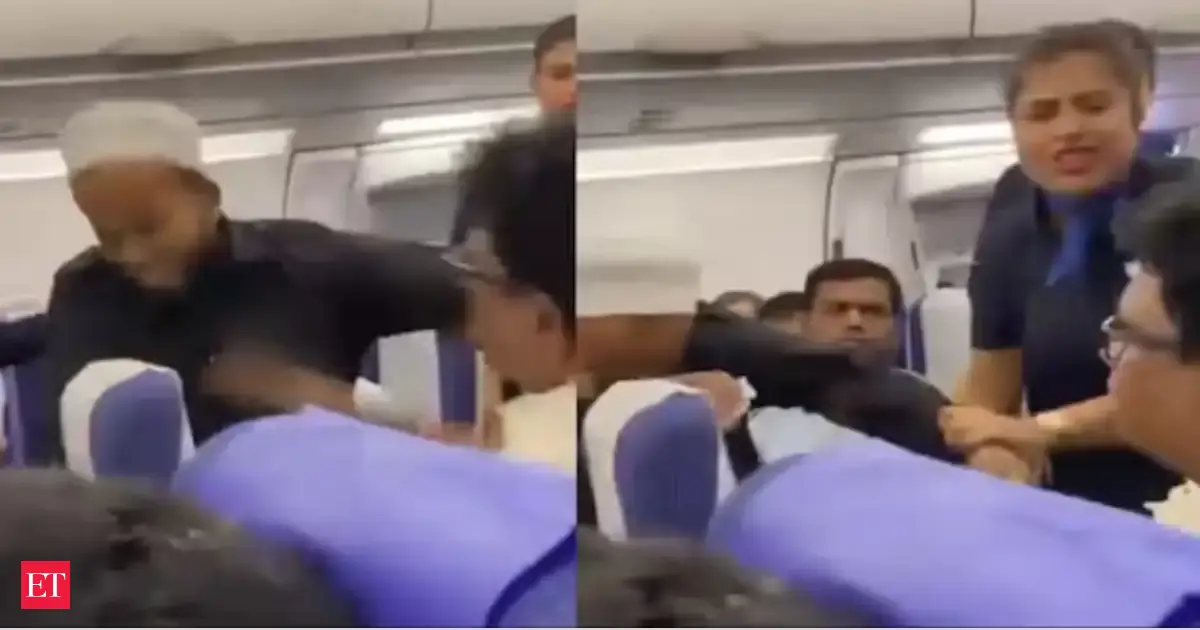
The recent incident involving a passenger on an IndiGo flight, Hossain Ahmed Mazumdar, who went missing after experiencing a panic attack and being assaulted by a fellow passenger, has raised serious questions about airline safety, passenger welfare, and the response protocols of both the airline and the authorities. The situation, which unfolded with a viral video capturing the on-board assault, quickly escalated into a frantic search for Mazumdar, leaving his family in distress and prompting wider concerns about the handling of mental health emergencies in air travel. Mazumdar's ordeal began on IndiGo flight 6E-2387, where he was visibly distressed and escorted to his seat by crew members. The situation took a turn for the worse when another passenger, Hafijul Rahman, inexplicably slapped him. This act of violence, captured on video, ignited a wave of outrage online. Rahman's justification that Mazumdar was “causing problems” hardly excuses the physical assault. The fact that he was subsequently handed over to the police upon landing in Kolkata but then released shortly after is a matter of considerable concern, prompting questions about the seriousness with which the authorities initially treated the situation. The lack of clarity surrounding the rationale for Rahman's release further fuels public apprehension and demands a transparent explanation from law enforcement officials. Following the incident, Mazumdar failed to board his connecting flight from Kolkata to Silchar and remained missing for nearly 24 hours. The distress of his family, who were waiting at Silchar airport to receive him, was compounded by the lack of information from IndiGo and airport authorities. This absence of communication contributed to their anxiety and highlighted a critical failure in the airline's duty of care towards a vulnerable passenger. Mazumdar's subsequent discovery at a railway station in Barpeta, Assam, approximately 400 kilometers from his hometown, brought some relief. However, the details of his journey from Kolkata to Barpeta, involving a train instead of his scheduled flight, remain unclear. The circumstances surrounding his decision to deviate from his intended itinerary and the possible reasons for his distressed state after the flight incident warrant further investigation. The incident has also brought the airline's response under intense scrutiny. While IndiGo issued a statement on social media acknowledging the “physical altercation” and condemning “unruly behaviour,” their silence on Mazumdar's condition and the lack of information about any support or medical attention provided to him after the assault are glaring omissions. This lack of transparency and the perceived indifference to Mazumdar's well-being have drawn considerable criticism and fueled accusations of negligence. The airline's statement, which emphasized that their crew acted in accordance with established Standard Operating Procedures (SOPs), has also been met with skepticism. Critics argue that the SOPs may be inadequate in addressing mental health emergencies and that crew members may require additional training to effectively manage such situations. The incident has sparked a broader debate on passenger safety and the responsibility of airlines to protect vulnerable passengers, especially those experiencing mental health crises. Experts argue that airlines need to develop comprehensive protocols for identifying and responding to mental health episodes on board, including procedures for providing support, ensuring safety, and coordinating with ground staff and medical professionals. The lack of a clear and compassionate response in Mazumdar's case highlights the urgent need for airlines to prioritize passenger well-being and implement more robust mental health protocols. Furthermore, the incident has raised questions about the coordination between different agencies, including the airline, airport authorities, the Central Industrial Security Force (CISF), and local police. The initial confusion and lack of communication between these agencies contributed to the delay in locating Mazumdar and exacerbated the distress of his family. A more streamlined and coordinated approach is essential to ensure that vulnerable passengers receive timely assistance and that families are kept informed throughout the process. The incident has also highlighted the importance of empathy and compassion in dealing with passengers experiencing mental health issues. The act of slapping Mazumdar, rather than offering support or seeking assistance from the crew, demonstrates a lack of understanding and sensitivity towards mental health conditions. Raising awareness about mental health and promoting a more compassionate approach to those in distress are crucial steps in preventing similar incidents in the future. The case of Hossain Ahmed Mazumdar serves as a stark reminder of the challenges and complexities of ensuring passenger safety and well-being in air travel. It underscores the need for airlines to prioritize mental health, implement robust protocols, and foster a culture of empathy and compassion. The incident also calls for greater coordination between different agencies and a more transparent approach to communication with families and the public. Ultimately, the goal should be to create a safer and more supportive environment for all passengers, regardless of their mental health status.
The silence maintained by IndiGo regarding the specific actions taken to support Mazumdar after the assault is particularly troubling. The airline's generic statement about following standard operating procedures provides little reassurance that Mazumdar's well-being was adequately addressed. Did the crew offer him medical assistance or psychological support? Was he provided with a safe space to compose himself after the traumatic experience? Did the airline attempt to contact his family to inform them of the situation and offer assistance? These are crucial questions that remain unanswered, contributing to the perception that IndiGo prioritized damage control over the welfare of a vulnerable passenger. Furthermore, the release of Hafijul Rahman shortly after his arrest raises serious questions about the effectiveness of law enforcement in addressing acts of violence on board aircraft. While the authorities may have had their reasons for releasing him, the decision sends a mixed message about the consequences of such behavior and could potentially embolden other passengers to engage in similar acts of aggression. A more decisive response from law enforcement, including a thorough investigation and appropriate charges, would have sent a stronger message that violence on board aircraft will not be tolerated. The incident also highlights the need for better training of airline crew members in recognizing and responding to mental health emergencies. While crew members are typically trained to handle medical emergencies and security threats, they may lack the specific skills and knowledge required to effectively manage passengers experiencing panic attacks, anxiety, or other mental health crises. Providing crew members with additional training in mental health first aid, de-escalation techniques, and communication strategies could significantly improve their ability to assist vulnerable passengers and prevent situations from escalating. Moreover, airlines should consider implementing policies that encourage passengers to report concerns about the well-being of their fellow travelers. Creating a culture of vigilance and encouraging passengers to speak up when they observe signs of distress could help to identify and address potential problems before they escalate into crises. This could involve providing passengers with clear instructions on how to report concerns to the crew and ensuring that crew members are trained to respond appropriately to such reports. The fact that Mazumdar's family had to rely on a viral video to learn about the incident involving their loved one is a shocking indictment of the airline's communication practices. The airline's failure to promptly inform the family of the incident and provide them with accurate information about Mazumdar's whereabouts is a clear violation of their duty of care. Airlines must have clear protocols in place for communicating with families in such situations, ensuring that they are kept informed of the passenger's condition and provided with regular updates on the efforts to locate and assist them. The incident has also raised questions about the role of social media in shaping public perceptions of airline safety and passenger welfare. The viral video of the assault on Mazumdar quickly spread across social media platforms, generating widespread outrage and prompting calls for accountability from IndiGo. While social media can be a powerful tool for raising awareness and holding organizations accountable, it can also be a source of misinformation and distortion. It is important for airlines to actively monitor social media channels and respond promptly and accurately to any concerns or allegations that are raised. In conclusion, the incident involving Hossain Ahmed Mazumdar serves as a wake-up call for the airline industry. It highlights the need for a fundamental shift in priorities, with a greater emphasis on passenger well-being, mental health support, and transparent communication. Airlines must invest in better training for their crew members, develop more robust protocols for handling mental health emergencies, and ensure that families are kept informed of any incidents involving their loved ones. Only by taking these steps can airlines regain public trust and ensure that all passengers are treated with dignity and respect.
The incident surrounding Hossain Ahmed Mazumdar also brings to light the potential gaps in security protocols and the responsibilities of various entities involved in ensuring passenger safety. The CISF, responsible for security at airports, mediated a meeting between Mazumdar and his assaulter in Kolkata. While mediation can be a valuable tool for resolving disputes, its effectiveness in this context is questionable. The act of slapping someone on a plane raises significant safety concerns and should arguably have been treated as a more serious security breach. The fact that both individuals were allowed to leave the airport after the CISF-mediated meeting suggests a potential underestimation of the severity of the situation. Furthermore, the article mentions that Mazumdar was supposed to board a Kolkata-Silchar flight the next morning but missed it. The reasons for him missing the flight remain unclear, but the fact that he did not take any other flight that day raises concerns about his state of mind and the support he received after the initial incident. Did airport authorities or airline staff attempt to check on him or offer assistance? Was he provided with information about mental health resources or support services? The lack of information about these aspects of the incident suggests a potential lack of proactive engagement with Mazumdar's well-being. The family's frustration, voiced by Zubairul Islam Mazumdar, highlights the difficulties they faced in obtaining information about Hossain's whereabouts. Their attempts to contact local authorities and file a missing person complaint yielded little concrete information. This lack of responsiveness and coordination between different agencies exacerbated the family's anxiety and hindered their efforts to locate their loved one. The incident also underscores the importance of effective communication strategies for airlines and airport authorities. In situations involving distressed or missing passengers, timely and accurate communication with families is crucial. Providing families with regular updates, addressing their concerns, and offering support can help to alleviate their anxiety and facilitate the search process. The fact that the airline remained largely silent on Mazumdar's condition after the mid-air incident is deeply concerning and demonstrates a lack of empathy and transparency. Moreover, the incident raises broader questions about the preparedness of airports and airlines to handle mental health emergencies. Are there designated mental health professionals available at airports to provide immediate support to passengers in distress? Are airline staff trained to identify and respond to mental health crises effectively? Are there protocols in place for coordinating with mental health services and providing ongoing support to passengers who require it? Addressing these questions is essential for creating a safer and more supportive environment for all travelers, especially those who may be experiencing mental health challenges. The case of Hossain Ahmed Mazumdar is a complex and multifaceted incident that has exposed several vulnerabilities in the aviation system. It underscores the need for a comprehensive review of security protocols, communication strategies, and mental health support services. By addressing these issues proactively, airlines and airport authorities can work towards creating a more compassionate and responsible travel experience for all passengers.
Ultimately, the Hossain Ahmed Mazumdar incident serves as a microcosm of larger systemic issues within the airline industry and related regulatory frameworks. It exposes a potential disconnect between the stated commitment to passenger safety and the actual implementation of effective measures to address mental health emergencies and ensure adequate support for vulnerable individuals. The emphasis on standardized procedures, while important for maintaining order and efficiency, should not come at the expense of individualized care and compassionate responses. The incident also underscores the need for greater transparency and accountability within the airline industry. Airlines should be held responsible for their actions and decisions, and families should have access to clear and accurate information about any incidents involving their loved ones. The current lack of transparency and the tendency to prioritize damage control over passenger welfare contribute to a climate of distrust and undermine public confidence in the airline industry. Furthermore, the incident highlights the importance of a holistic approach to passenger safety that considers not only physical security but also mental and emotional well-being. Creating a truly safe and supportive travel environment requires a multi-pronged strategy that includes better training for airline staff, improved coordination between different agencies, enhanced mental health support services, and a commitment to transparency and accountability. The incident also raises ethical considerations about the responsibilities of fellow passengers. While it is understandable to be concerned about potential disruptions or security threats on board an aircraft, resorting to violence is never the appropriate response. Encouraging a culture of empathy and compassion, and promoting awareness of mental health issues, can help to prevent similar incidents from occurring in the future. The Hossain Ahmed Mazumdar case is not simply an isolated incident; it is a symptom of deeper systemic problems within the aviation industry. Addressing these problems requires a fundamental shift in priorities and a commitment to creating a more compassionate, responsible, and transparent travel experience for all passengers. It is imperative that airlines, regulatory agencies, and the traveling public work together to ensure that such incidents are not repeated and that the well-being of all passengers is prioritized above all else. Moving forward, airlines should consider implementing feedback mechanisms to gather insights from passengers and crew members about potential areas for improvement in mental health support and safety protocols. This data can then be used to inform the development of more effective policies and training programs. Additionally, airlines could partner with mental health organizations and advocacy groups to raise awareness about mental health issues and promote a more inclusive and supportive travel environment. The Hossain Ahmed Mazumdar incident serves as a stark reminder that the airline industry has a long way to go in terms of addressing mental health emergencies and ensuring adequate support for vulnerable passengers. However, by learning from this incident and taking proactive steps to improve existing protocols and practices, airlines can work towards creating a safer, more compassionate, and more responsible travel experience for all.