
 |
|
The tragic mass shooting at the Annunciation Catholic Church in Minneapolis, perpetrated by 23-year-old Robin Westman, has sent shockwaves through the community and reignited debates surrounding gun violence, mental health, and the influence of online content on violent extremism. The meticulously planned attack, which claimed the lives of two young children and injured several others, was foreshadowed by a series of disturbing videos uploaded to a YouTube channel under Westman's name just hours before the carnage. These videos, now removed but widely circulated on social media, offer a chilling glimpse into the mind of the perpetrator, revealing a disturbing fascination with past mass shootings, a deep-seated rage against various societal groups, and a clear intention to inflict maximum harm. The content of these videos, including a handwritten suicide note, a display of weapons adorned with hateful messages, and a coded journal filled with grievances, paints a picture of a deeply troubled individual consumed by anger and driven by a desire to emulate previous acts of violence. The inclusion of imagery associated with the television show Breaking Bad, specifically the character of Walter White's alter ego Heisenberg, adds another layer of complexity to the analysis of Westman's motives, suggesting a possible identification with a figure known for his transformation from an ordinary individual into a ruthless criminal. The deliberate targeting of a Catholic church, a place of worship and community gathering, underscores the calculated nature of the attack and the perpetrator's intention to inflict maximum emotional and psychological damage. The fact that Westman's mother had previously worked at the church and donated to its school adds a particularly disturbing dimension to the tragedy, raising questions about the family's relationship to the institution and the potential role of personal grievances in the planning of the attack. The investigation into the shooting is ongoing, but the available evidence strongly suggests that Westman was motivated by a complex mix of factors, including mental health issues, exposure to extremist ideologies online, and a desire for notoriety. The tragedy serves as a stark reminder of the dangers of online radicalization and the need for greater vigilance in identifying and addressing individuals who may be at risk of committing acts of violence. The incident also highlights the urgent need for comprehensive gun control measures to prevent dangerous individuals from acquiring weapons and perpetrating mass shootings. Furthermore, the case underscores the importance of providing adequate mental health services to those who are struggling with mental illness and suicidal thoughts. The community of Minneapolis is now grappling with the aftermath of this senseless act of violence, mourning the loss of innocent lives and struggling to come to terms with the horrific events that unfolded at the Annunciation Catholic Church. The long-term impact of the shooting on the community, particularly on the children who witnessed the attack, is likely to be profound and far-reaching. The need for ongoing support and resources for the victims and their families is paramount in the days, weeks, and months ahead.
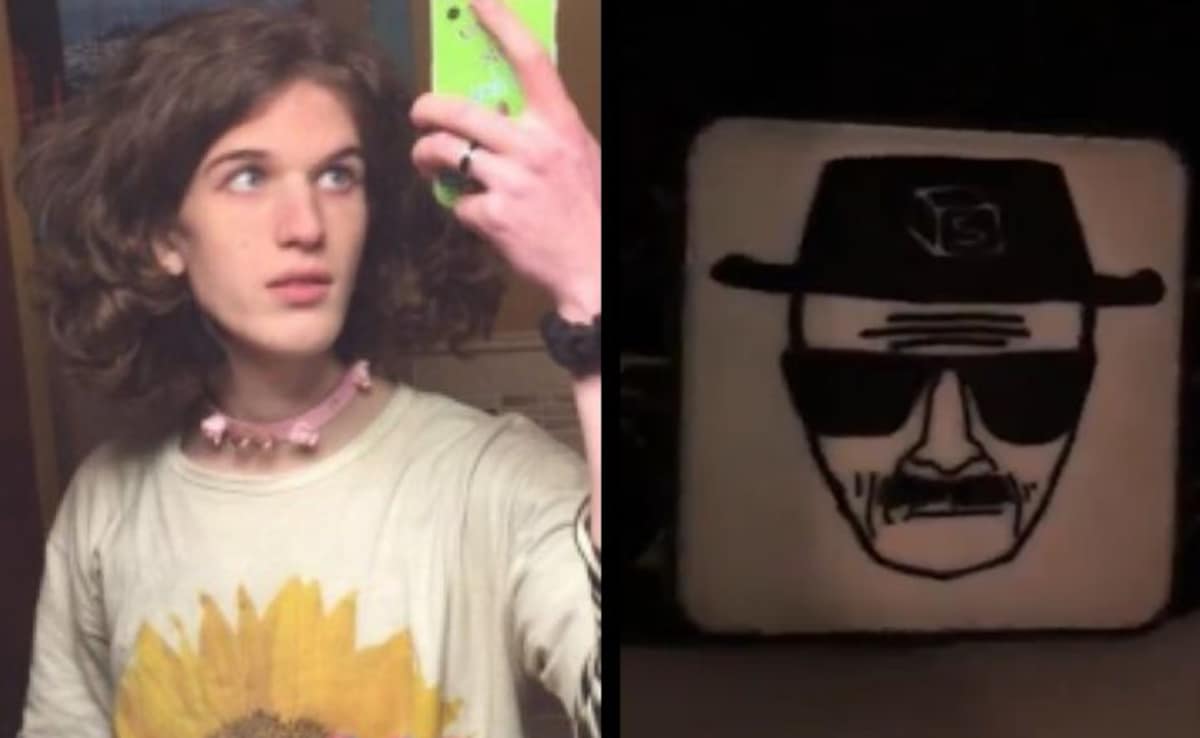
The first video, lasting approximately 11 minutes, opens with a chilling image: a black-and-white sketch of Heisenberg, Walter White's alter ego from the popular television series Breaking Bad. This instantly recognizable symbol of transformation and moral decay sets a disturbing tone for the rest of the video. The accompanying audio, described as an "animalistic mewl," further intensifies the unsettling atmosphere. The camera then pans slowly across a table, revealing a handwritten suicide letter. The framing lingers on the page, allowing viewers to read words of apology directed at Westman's family. The note expresses remorse for "forever tainting the rest of [their] lives" but does not attempt to justify the planned violence. It does, however, make reference to depression and suicidal thoughts, hinting at the internal struggles that may have contributed to Westman's actions. The focus then shifts from the letter to a disturbing display of weapons. Ten rifle magazines are laid out, each loaded with ammunition and marked with texts scrawled in white marker. These inscriptions reveal a chilling array of targets and hateful ideologies. Some target-specific figures, such as "Kill Donald Trump" and "nuke India," indicate a political dimension to Westman's anger. Others, including anti-Black, antisemitic, anti-Hispanic, and anti-religious statements like "Where is your God?", expose a broader pattern of bigotry and prejudice. The camera deliberately pans across multiple firearms placed on the same table, highlighting the arsenal at Westman's disposal. Social media users quickly noted similarities between the inscriptions and markings seen in earlier mass shootings, particularly the 2019 Christchurch shooting in New Zealand and the 2022 Buffalo supermarket shooting. The names of past mass killers were also visible, written across several magazines, suggesting a disturbing admiration for these figures and a desire to emulate their acts of violence. At one point, Westman laughs audibly before adjusting the frame back toward the suicide note, revealing a disturbing disconnect from the gravity of the situation. This chilling detail further underscores the perpetrator's mental state and the lack of remorse for the planned attack.
The second video, roughly 20 minutes long, provides further insight into Westman's troubled mind. In this video, Westman sits with a thick journal and flips through pages. The writing is English, but phonetically transcribed into Cyrillic script, making it difficult to decipher. While the content of the text has not been fully translated publicly, investigators have confirmed that it contains references to previous shootings and grievances against multiple groups. This suggests that Westman meticulously studied past acts of violence and drew inspiration from them, further fueling their own plans. The use of Cyrillic script, while seemingly arbitrary, may have been intended to obfuscate the content of the journal and add another layer of complexity to the analysis of Westman's motives. Both videos make repeated nods to earlier mass killings, clearly demonstrating that Westman saw the attack as part of a broader lineage of violence. This suggests a desire to be remembered alongside these infamous figures and to contribute to a narrative of hate and destruction. At one point in one of the videos, Westman holds up what appears to be a crude drawing of a building. Two rectangular shapes, resembling windows, are pointed out on the page. Westman then takes a long knife and stabs repeatedly at the illustration, focusing on the window spaces. Investigators now believe that this drawing represented Annunciation Catholic Church, where the attack was carried out hours later. This chilling detail provides further evidence of the meticulous planning that went into the attack and the perpetrator's clear intention to target the church specifically. The combination of these videos paints a disturbing picture of an individual consumed by anger, hatred, and a desire for notoriety. The tragedy at Annunciation Catholic Church serves as a stark reminder of the dangers of online radicalization and the need for greater vigilance in identifying and addressing individuals who may be at risk of committing acts of violence.
The tragic events at the Annunciation Catholic Church raise several critical questions about the factors that contribute to mass shootings and the measures that can be taken to prevent future tragedies. The role of mental health in these incidents is often debated, and while it is important to avoid stigmatizing individuals with mental illness, it is also crucial to recognize that mental health issues can sometimes play a role in violent behavior. In Westman's case, the suicide note and references to depression suggest that mental health struggles may have been a contributing factor. However, it is also important to consider the influence of online content and extremist ideologies. The videos uploaded by Westman reveal a disturbing fascination with past mass shootings and a clear pattern of hate speech targeting various groups. This suggests that Westman was exposed to and influenced by extremist ideologies online, which may have further fueled their anger and contributed to their decision to commit violence. The availability of firearms is another critical factor to consider. The fact that Westman was able to acquire a rifle, shotgun, and pistol underscores the need for comprehensive gun control measures to prevent dangerous individuals from obtaining weapons. Background checks, red flag laws, and restrictions on the sale of assault weapons are all potential measures that could help to reduce the risk of mass shootings. Furthermore, the case highlights the importance of early intervention and prevention efforts. Identifying individuals who may be at risk of committing violence and providing them with access to mental health services and other support resources is crucial. This requires a coordinated effort involving law enforcement, mental health professionals, schools, and community organizations. The community of Minneapolis is now facing the difficult task of healing and rebuilding after this tragedy. The long-term impact of the shooting on the victims, their families, and the entire community is likely to be profound. Providing ongoing support and resources to those who have been affected by the violence is essential. The Annunciation Catholic Church shooting serves as a stark reminder of the devastating consequences of gun violence and the urgent need for comprehensive solutions to address this problem. By addressing the underlying factors that contribute to mass shootings, such as mental health issues, online radicalization, and access to firearms, we can work to prevent future tragedies and create safer communities for all.
The aftermath of the Annunciation Catholic Church shooting has prompted a wave of grief, anger, and calls for action across the nation. The families of the victims are grappling with unimaginable loss, while the survivors are dealing with physical and emotional trauma. The community of Minneapolis is struggling to make sense of the senseless violence that has shattered their sense of security. In the wake of the tragedy, there has been a renewed focus on the issue of gun violence and the need for stricter gun control laws. Many are calling for a ban on assault weapons, stricter background checks, and red flag laws that would allow authorities to temporarily remove firearms from individuals who pose a threat to themselves or others. There has also been a growing awareness of the role of online radicalization in fueling violence. Experts are warning about the dangers of online hate speech and the need for social media companies to do more to combat extremist content. The shooting has also sparked a debate about the role of mental health in mass shootings. While it is important to avoid stigmatizing individuals with mental illness, it is also crucial to recognize that mental health issues can sometimes play a role in violent behavior. Many are calling for increased access to mental health services and greater awareness of mental health issues. The investigation into the Annunciation Catholic Church shooting is ongoing, and authorities are working to determine the full extent of Westman's motives. The videos and writings left behind by Westman provide valuable insights into their state of mind and the factors that contributed to their actions. However, they also raise disturbing questions about the ease with which individuals can access extremist content online and the lack of effective measures to prevent radicalization. The tragedy at Annunciation Catholic Church is a reminder that gun violence is a complex problem with no easy solutions. Addressing this problem requires a multifaceted approach that includes stricter gun control laws, greater awareness of mental health issues, and a concerted effort to combat online radicalization. It also requires a commitment to creating a more just and equitable society where everyone has the opportunity to thrive. The healing process for the community of Minneapolis will be long and difficult. But by working together, they can emerge from this tragedy stronger and more resilient.
The Annunciation Catholic Church shooting stands as a stark and devastating illustration of the intersection between mental health struggles, online radicalization, and the availability of firearms. The meticulous planning evident in Westman's videos, the disturbing display of weapons, and the chillingly calculated targeting of a place of worship all point to a complex web of factors that culminated in this horrific act of violence. The influence of online content, particularly the emulation of past mass shootings and the expression of hateful ideologies, cannot be ignored. The accessibility of extremist materials online provides a platform for individuals like Westman to connect with like-minded individuals, reinforce their own biases, and ultimately be inspired to commit violence. The presence of mental health issues, as suggested by the suicide note and references to depression, further complicates the picture. While it is crucial to avoid generalizing about individuals with mental illness, it is equally important to acknowledge the potential role that mental health struggles can play in violent behavior. In Westman's case, the combination of mental health issues and exposure to extremist ideologies may have created a perfect storm of factors that led to the shooting. The availability of firearms is the final piece of the puzzle. Without access to weapons, Westman would not have been able to carry out the planned attack. The ease with which individuals can acquire firearms in the United States is a major contributing factor to the high rate of gun violence in the country. The tragedy at Annunciation Catholic Church underscores the urgent need for comprehensive gun control measures to prevent dangerous individuals from obtaining weapons. These measures should include stricter background checks, red flag laws, and restrictions on the sale of assault weapons. In addition to gun control, it is also crucial to address the underlying factors that contribute to gun violence, such as mental health issues and online radicalization. This requires a multi-faceted approach that includes increased access to mental health services, greater awareness of mental health issues, and a concerted effort to combat online hate speech. The community of Minneapolis is now facing the difficult task of healing and rebuilding after this tragedy. By working together, they can emerge from this experience stronger and more resilient. The Annunciation Catholic Church shooting must serve as a wake-up call to the nation. We must take action to prevent future tragedies by addressing the underlying factors that contribute to gun violence and creating a safer society for all.
Source: Breaking Bad, Guns, Suicide Note: US Man's Video Before Mass Shooting