
 |
|
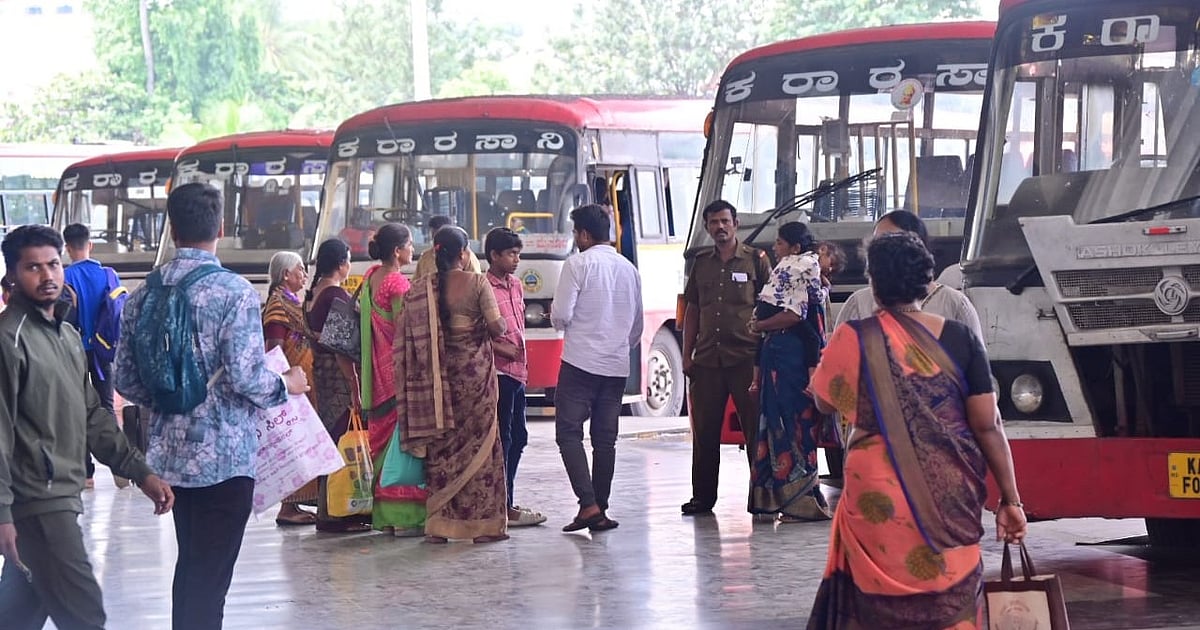
The KSRTC (Karnataka State Road Transport Corporation) strike, organized by the employees' union, had a significant and almost complete impact on bus services in several key districts of Karnataka, including Mysuru, Mandya, Hassan, and Chamarajanagar. The strike, likely prompted by demands related to wages, working conditions, or other employment-related issues, caused widespread disruption to public transportation, affecting commuters and travelers across the region. The severity of the impact underscores the vital role KSRTC buses play in connecting these districts and providing affordable and accessible transportation for a large segment of the population. The near-total shutdown of KSRTC services highlights the power of collective action by the employees' union and the potential consequences of labor disputes on essential public services. The absence of KSRTC buses created significant challenges for people who rely on them for daily commutes to work, school, and other essential activities. The impact likely extended to businesses and the local economy, as disruptions in transportation can affect the movement of goods and services, as well as the ability of people to access commercial areas. The strike also raises broader questions about the relationship between the government, the KSRTC management, and the employees' union, and the need for effective dialogue and negotiation to address the concerns of the workforce and prevent future disruptions to public transportation. The strike serves as a reminder of the critical importance of maintaining a stable and reliable public transportation system to support the economic and social well-being of the community. The long-term effects of the strike could include increased reliance on private transportation options, potential loss of revenue for KSRTC, and damage to the reputation of the public transportation system. Addressing the underlying issues that led to the strike and implementing measures to improve communication and collaboration between management and employees will be crucial for ensuring the future stability and reliability of KSRTC services.
In response to the disruption caused by the KSRTC strike, authorities in Mysuru took the unusual step of allowing private buses to operate near the main bus stand. This measure was implemented to mitigate the inconvenience caused to the public due to the absence of KSRTC buses. By allowing private buses to operate in the vicinity of the bus stand, authorities aimed to provide alternative transportation options for commuters and travelers who were stranded or faced difficulties in reaching their destinations. This decision reflects a recognition of the essential nature of public transportation and the need to ensure that people have access to alternative means of travel during periods of disruption. Allowing private buses to operate near the bus stand may have involved temporary permits or agreements to ensure that these services met certain safety and regulatory standards. The deployment of private buses could have helped to alleviate some of the congestion and overcrowding that might have occurred at the bus stand due to the absence of KSRTC buses. It also provided a temporary boost to private bus operators, who were able to capitalize on the increased demand for transportation services. The decision to allow private buses to operate near the bus stand highlights the importance of contingency planning and the ability of authorities to respond effectively to unforeseen events that disrupt public services. The success of this measure likely depended on factors such as the availability of private buses, the coordination between authorities and private operators, and the communication of information to the public about the alternative transportation options. The experience of allowing private buses to operate during the KSRTC strike could inform future decisions and strategies for managing disruptions to public transportation services. The temporary measure demonstrates the ability to adapt to challenging circumstances and prioritize the needs of the public. Furthermore, this action raises the question of the potential role of private transportation providers in supplementing or complementing public transportation services in the long term.
The ripple effects of the strike extended beyond the immediate inconvenience faced by commuters. Businesses reliant on the transportation of goods and employees faced potential disruptions, impacting supply chains and productivity. Local economies in Mysuru, Mandya, Hassan, and Chamarajanagar, heavily dependent on seamless connectivity, experienced a slowdown. The strike highlighted the interconnectedness of transportation, economic activity, and daily life. The willingness of authorities to allow private buses near the Mysuru bus stand speaks to a pragmatic approach prioritizing the public's need for mobility over strict adherence to established protocols. However, such measures might also raise questions about fair competition and the long-term sustainability of public transportation systems. Addressing the root causes of the strike is crucial to prevent future disruptions. Open communication between the KSRTC management and the employees' union, addressing concerns related to wages, working conditions, and benefits, is essential. Investing in the well-being of KSRTC employees not only improves their job satisfaction but also ensures a more reliable and efficient public transportation system. Long-term solutions might involve exploring alternative funding models for KSRTC, promoting sustainable transportation options, and enhancing coordination between public and private transportation providers. The KSRTC strike serves as a valuable case study for understanding the challenges and opportunities in managing public transportation systems. It underscores the importance of proactive planning, effective communication, and a collaborative approach to ensure the reliable and sustainable mobility of people and goods.
Source: KSRTC Strike Impact: Bus Services Hit in Mysuru, Mandya, Hassan and Chamarajanagar