
 |
|
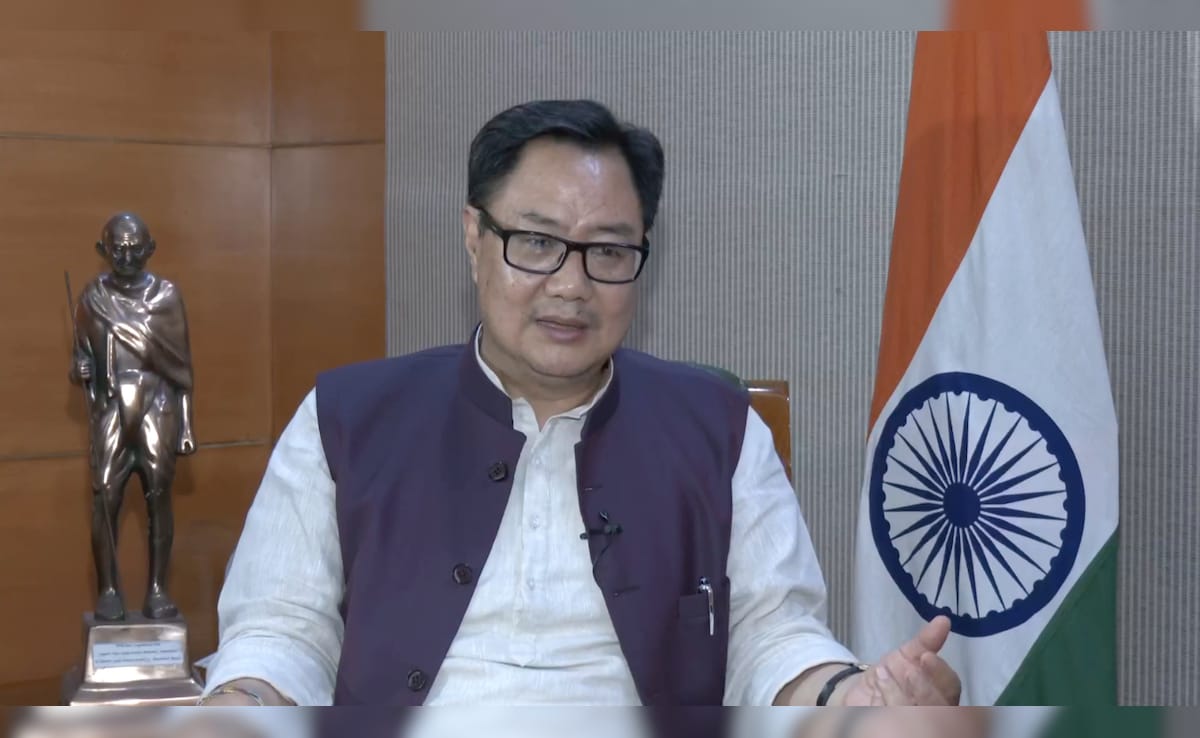
The recent withdrawal of the new Income Tax Bill from the Lok Sabha has sparked considerable debate and scrutiny, prompting Union Parliamentary Affairs Minister Kiren Rijiju to step forward and address the concerns. Rijiju's defense centers on the assertion that the withdrawal, followed by the re-introduction of a revised bill incorporating amendments, is a standard and accepted parliamentary procedure. He argues that this approach, while seemingly unconventional at first glance, is designed to streamline the legislative process and ensure that the final bill accurately reflects the input and considerations of various stakeholders. The core of his argument rests on the sheer volume of amendments proposed by a Select Committee, numbering approximately 285. He posits that attempting to individually incorporate each of these amendments through a series of motions would be a cumbersome and inefficient process, potentially hindering the timely passage of the legislation. By withdrawing the original bill and presenting a new version that already integrates the accepted amendments, the Parliament can engage in a more focused and productive discussion, ultimately leading to a more effective and well-considered law. The minister's explanation aims to alleviate anxieties surrounding the fate of the work already invested in the bill. He emphasizes that the efforts undertaken in drafting and reviewing the original bill will not be rendered obsolete. Instead, the revised bill will directly benefit from the previous work, incorporating the valuable insights and suggestions generated during the initial stages of the legislative process. This reassurance is crucial in maintaining public confidence in the integrity and efficiency of the parliamentary system. The Income Tax Bill, 2025, which was initially introduced to replace the Income Tax Act, 1961, represents a significant undertaking aimed at modernizing and simplifying India's tax structure. The existing tax system has been criticized for its complexity, which can lead to confusion, legal disputes, and unnecessary burdens on taxpayers, particularly individual taxpayers and MSMEs. The proposed bill seeks to address these shortcomings by streamlining procedures, reducing ambiguity, and promoting fairness and equity. It aims to create a more transparent and user-friendly tax environment that fosters compliance and reduces the potential for litigation. The government hopes to accomplish this by leveraging technology, simplifying tax forms, and providing clearer guidance on tax obligations. In addition to simplifying the tax system, the bill also aims to ease the burden on the working and middle-class populations of the country. This is achieved by promoting clarity, eliminating loopholes that favor wealthy individuals, and simplifying tax filing for individuals and small businesses. The long-term goal is to establish a system that is fair, transparent, and efficient, facilitating economic growth and promoting social justice. The success of the Income Tax Bill hinges on addressing the existing complexities and inefficiencies that have plagued the system for decades. The new bill, with its focus on simplification, fairness, and transparency, represents a significant step in this direction. By reducing the administrative burden on taxpayers, promoting compliance, and minimizing the potential for litigation, the new system would help to encourage economic activity, increase government revenue, and strengthen the overall financial health of the nation. However, it is important to note that the bill is not without its challenges. One potential obstacle is the need to educate the public about the changes and ensure that they understand how to comply with the new regulations. Another challenge is the need to ensure that the new system is fair and equitable for all taxpayers, regardless of their income level or business size. The government will need to carefully monitor the implementation of the new bill and make adjustments as needed to address any unforeseen problems or unintended consequences. Overall, the Income Tax Bill represents a bold attempt to modernize India's tax system and create a more user-friendly and equitable environment for taxpayers. The bill's success will depend on careful implementation, ongoing monitoring, and a willingness to make adjustments as needed. If successful, it has the potential to significantly improve the country's financial health, promote economic growth, and reduce the burden on the working and middle-class populations of the country.
The justification presented by Kiren Rijiju, while seemingly straightforward, raises broader questions about the legislative process and the role of parliamentary committees. The assertion that withdrawing a bill to incorporate amendments is a 'normal' procedure warrants closer examination. While it may be a recognized practice in certain circumstances, the frequency and scale of such withdrawals should be subject to scrutiny to ensure transparency and accountability. The underlying concern is that excessive reliance on this procedure could potentially undermine the thoroughness and integrity of the initial bill drafting and review process. If committees consistently propose a large number of amendments that necessitate the withdrawal and re-introduction of bills, it raises questions about the quality of the initial legislative drafting. Are the bills being adequately vetted and reviewed before being presented to Parliament? Are the drafters failing to anticipate and address potential issues and concerns? These questions deserve careful consideration to identify areas for improvement in the legislative process. Furthermore, the argument that incorporating 285 amendments through individual motions would be too cumbersome and time-consuming raises concerns about the efficiency of the parliamentary system. While the government's desire to streamline the process is understandable, it should not come at the expense of transparency and democratic deliberation. The individual consideration of amendments, even if time-consuming, provides an opportunity for members of Parliament to thoroughly examine the proposed changes and express their views. This ensures that the final bill reflects the collective wisdom and perspectives of the elected representatives of the people. To address the potential inefficiencies in the process, alternative solutions could be explored. For example, the Parliament could consider adopting more streamlined procedures for handling amendments, such as grouping similar amendments together or allowing committees to make recommendations on entire sections of the bill. These measures could help to expedite the process without sacrificing transparency and democratic participation. The withdrawal of the Income Tax Bill also highlights the growing influence of social media and public opinion on the legislative process. The concerns raised on social media about the withdrawal of the bill demonstrate the increasing awareness and engagement of citizens in matters of public policy. In today's digital age, governments must be prepared to respond to public concerns and explain their decisions in a clear and transparent manner. Social media can be a valuable tool for engaging with citizens and gathering feedback on proposed legislation. However, it is important to ensure that social media discussions are informed by facts and evidence. Misinformation and speculation can quickly spread on social media, potentially undermining public confidence in the government and the legislative process. Therefore, governments must proactively address misinformation and provide accurate and timely information to the public. The Income Tax Bill, 2025, represents a significant opportunity to modernize and simplify India's tax system. To ensure that the bill achieves its intended goals, it is crucial to engage in a thorough and transparent legislative process that incorporates the views of all stakeholders. This includes government officials, members of Parliament, tax experts, and the general public. By working together, these stakeholders can help to create a tax system that is fair, efficient, and conducive to economic growth.
The long-term success of any legislative effort, especially one as impactful as an overhaul of the Income Tax Act, hinges not just on the initial drafting and amendment process, but also on the subsequent implementation and ongoing evaluation. The initial anxieties surrounding the withdrawal of the bill, as expressed through social media and other channels, underscore the importance of proactive communication and transparency throughout the entire legislative lifecycle. Citizens need to be kept informed not only about the proposed changes but also about the rationale behind those changes and the anticipated impact on their lives. This requires a concerted effort to disseminate accurate information through various channels, including government websites, public forums, and media briefings. Furthermore, it is crucial to establish mechanisms for gathering feedback from the public and incorporating that feedback into the implementation process. This could involve conducting surveys, holding town hall meetings, or establishing online platforms for citizens to submit their comments and suggestions. By actively listening to the concerns and suggestions of the public, the government can ensure that the new tax system is responsive to the needs of the people. In addition to public engagement, it is also important to invest in training and education for tax officials and taxpayers alike. Tax officials need to be thoroughly trained on the new regulations and procedures to ensure that they can administer the system effectively and fairly. Taxpayers, on the other hand, need to be educated about their rights and responsibilities under the new law. This could involve developing educational materials, conducting workshops, and providing online resources. By empowering both tax officials and taxpayers with the knowledge they need to navigate the new system, the government can promote compliance and reduce the potential for errors and disputes. Finally, it is essential to establish a system for ongoing evaluation and monitoring of the new tax system. This could involve tracking key performance indicators, such as tax revenue, compliance rates, and taxpayer satisfaction. By regularly evaluating the performance of the system, the government can identify areas for improvement and make adjustments as needed. The implementation of the Income Tax Bill, 2025, is not simply a matter of enacting a new law; it is a complex and multifaceted undertaking that requires careful planning, proactive communication, ongoing monitoring, and a commitment to continuous improvement. By embracing these principles, the government can maximize the chances of success and create a tax system that is fair, efficient, and conducive to economic growth. Ultimately, the goal is to build a tax system that inspires trust and confidence among citizens, fostering a sense of shared responsibility for the financial well-being of the nation. This requires a long-term commitment to transparency, accountability, and responsiveness to the needs of the people. The Income Tax Bill represents a significant step in this direction, but it is only the beginning of a long and ongoing journey. By working together, the government, the public, and other stakeholders can create a tax system that is truly fit for the 21st century.
Source: "Normal Parliamentary Procedure": Kiren Rijiju On New Income Tax Bill