
 |
|
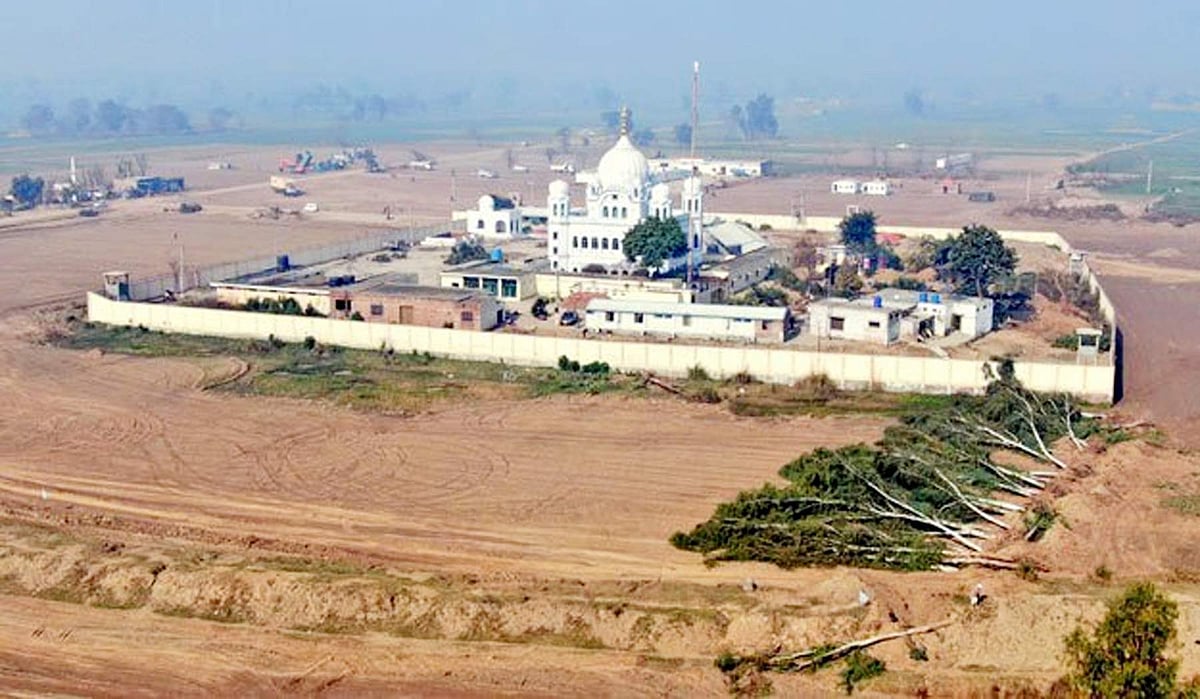
The recent flooding of the Kartarpur Sahib Gurdwara, a site of immense religious significance for Sikhs worldwide, underscores the devastating impact of unchecked environmental events and cross-border water management challenges. The Gurdwara, located in Narowal, Pakistan, just a few kilometers from the Indo-Pak border, is nearly entirely submerged following heavy rainfall and the release of a large volume of water into the Ravi River. This event not only threatens the structural integrity of the historic shrine but also raises concerns about the preservation of its cultural and religious heritage. The flooding of the Kartarpur Corridor, a vital link connecting Sikhs in India to this revered site, further complicates matters, disrupting pilgrimage routes and hindering access for devotees. The situation highlights the vulnerability of religious sites and infrastructure to climate change and the urgent need for proactive measures to mitigate flood risks and protect cultural heritage in vulnerable regions. The excess release of water from the Pong Dam, cited as a contributing factor to the surge in the Ravi River's water level, points to the complex interplay of infrastructure management, weather patterns, and transboundary water sharing agreements. Effective communication and coordinated efforts between India and Pakistan are crucial to prevent similar incidents in the future and ensure the safety and well-being of communities living along the riverbanks. Furthermore, the flood's impact extends beyond the immediate vicinity of the Gurdwara, with reports of breaches in earthen embankments near Dera Baba Nanak on the Indian side, leading to flooding in nearby villages and isolating the town from the rest of the state. This underscores the widespread consequences of inadequate flood control measures and the need for comprehensive disaster preparedness strategies that address both the immediate aftermath of floods and the long-term challenges of climate resilience. The closure of the Kartarpur Corridor in July 2023 due to rising water levels foreshadowed the current crisis, suggesting a pattern of increasing flood frequency and severity that demands immediate attention. A thorough assessment of the river's carrying capacity, coupled with investments in flood-resistant infrastructure and early warning systems, is essential to safeguard the Kartarpur Sahib Gurdwara and the surrounding communities from future inundations. The historical context of the Kartarpur Sahib Gurdwara adds another layer of significance to the current situation. As the final resting place of Guru Nanak, the founder of Sikhism, the Gurdwara holds immense spiritual importance for Sikhs worldwide. The Kartarpur Corridor, a symbol of religious harmony and cross-border cooperation, allows Indian pilgrims visa-free access to this sacred site. The flooding of the Gurdwara and the disruption of the Corridor not only cause immediate physical damage but also undermine the spirit of reconciliation and shared heritage that the Corridor represents. Preserving the Kartarpur Sahib Gurdwara and ensuring its accessibility for future generations requires a multi-faceted approach that encompasses infrastructure improvements, sustainable water management practices, and collaborative efforts between India and Pakistan. This includes strengthening flood defenses, implementing effective drainage systems, promoting responsible dam management, and fostering open communication channels to address transboundary water issues. Moreover, it is essential to engage local communities in disaster preparedness and risk reduction initiatives, empowering them to take proactive measures to protect themselves and their property. The current crisis at the Kartarpur Sahib Gurdwara serves as a stark reminder of the vulnerability of cultural heritage sites to environmental disasters and the importance of proactive measures to mitigate these risks. It also underscores the need for greater cooperation between India and Pakistan to address transboundary water management challenges and ensure the safety and well-being of communities living along the Ravi River. The preservation of the Kartarpur Sahib Gurdwara is not only a matter of religious significance but also a symbol of shared heritage and cross-border cooperation that deserves our collective attention and support. The devastating consequences of the floods necessitate a thorough investigation into the factors that contributed to the disaster, including the adequacy of existing flood control measures, the effectiveness of dam management practices, and the impact of climate change on river flows. This investigation should inform the development of a comprehensive flood management plan that addresses both the immediate needs of the affected communities and the long-term challenges of climate resilience. Furthermore, it is essential to prioritize the protection of cultural heritage sites in disaster risk reduction strategies, ensuring that these invaluable assets are adequately safeguarded from future environmental threats. This includes conducting vulnerability assessments, developing emergency response plans, and investing in the restoration and rehabilitation of damaged sites. The Kartarpur Sahib Gurdwara is a testament to the enduring legacy of Guru Nanak and the rich cultural heritage of the Sikh community. Its preservation is a shared responsibility that requires the concerted efforts of governments, communities, and individuals. By working together, we can ensure that this sacred site remains a place of pilgrimage and inspiration for generations to come. The situation demands an immediate and coordinated response from both India and Pakistan to address the immediate needs of the affected communities and to develop a long-term strategy for flood mitigation and disaster preparedness. This strategy should include investments in flood control infrastructure, improved water management practices, and enhanced communication and coordination between the two countries. The flooding of the Kartarpur Sahib Gurdwara is a wake-up call that underscores the urgent need for action to address the challenges of climate change and to protect our shared cultural heritage from environmental threats. By working together, we can build a more resilient and sustainable future for the region.
The immediate aftermath of the flooding at Kartarpur necessitates a swift and well-coordinated humanitarian response. Providing clean water, food, shelter, and medical assistance to those displaced by the floods is paramount. Establishing temporary camps with adequate sanitation facilities is essential to prevent the spread of waterborne diseases. Furthermore, efforts should be made to reach isolated villages cut off by the floodwaters, ensuring that they receive the necessary supplies and support. In addition to addressing the immediate needs of the affected communities, it is crucial to assess the damage to infrastructure and begin the process of restoration. This includes repairing damaged roads, bridges, and embankments, as well as restoring power and communication lines. The focus should be on building back better, incorporating flood-resistant designs and materials to enhance the resilience of infrastructure to future disasters. The restoration of the Kartarpur Sahib Gurdwara is a matter of utmost priority. A team of experts should be assembled to assess the structural integrity of the building and to develop a plan for its rehabilitation. This plan should take into account the historical significance of the Gurdwara and should prioritize the preservation of its original features. The restoration process should be carried out with sensitivity and respect, ensuring that the Gurdwara is returned to its former glory. Beyond the immediate response and restoration efforts, it is essential to address the underlying causes of the flooding. This requires a comprehensive assessment of the Ravi River's watershed, including its capacity to handle extreme rainfall events. The assessment should identify areas that are prone to flooding and should recommend measures to mitigate flood risks. These measures may include the construction of dams and reservoirs to regulate water flow, the restoration of wetlands to absorb excess water, and the implementation of sustainable land management practices to reduce soil erosion. Furthermore, it is crucial to improve the accuracy and timeliness of flood forecasts. This requires investing in advanced weather monitoring equipment and developing sophisticated hydrological models. The information generated by these systems should be disseminated to the public in a timely and accessible manner, enabling communities to take proactive measures to protect themselves and their property. The flooding of the Kartarpur Sahib Gurdwara is a stark reminder of the interconnectedness of environmental, social, and political issues. Addressing the challenges of climate change and water management requires a collaborative and holistic approach that involves governments, communities, and individuals. By working together, we can build a more resilient and sustainable future for the region.
The international community has a crucial role to play in supporting the recovery and reconstruction efforts at Kartarpur. International organizations, such as the United Nations and the World Bank, can provide technical assistance and financial resources to help the affected communities rebuild their lives and livelihoods. Furthermore, international experts can share their knowledge and experience in flood management and disaster preparedness, helping to develop more effective strategies for mitigating future risks. The disaster at Kartarpur also highlights the importance of addressing climate change. Climate change is increasing the frequency and intensity of extreme weather events, such as floods and droughts. Reducing greenhouse gas emissions is essential to mitigate the impacts of climate change and to protect vulnerable communities from future disasters. Governments must take ambitious action to reduce their carbon footprint and to invest in renewable energy sources. Furthermore, individuals can make a difference by adopting sustainable lifestyles and by advocating for policies that promote climate action. The Kartarpur Sahib Gurdwara is a symbol of peace and harmony. Its destruction by floods is a tragedy that affects people of all faiths and backgrounds. By working together, we can rebuild the Gurdwara and ensure that it remains a place of pilgrimage and inspiration for generations to come. The current situation should serve as a catalyst for greater cooperation between India and Pakistan on issues of mutual concern, such as water management and climate change. By setting aside their differences and working together, the two countries can build a more peaceful and prosperous future for their people. The Kartarpur Sahib Gurdwara is a reminder of the shared history and cultural heritage of the region. Its preservation is a testament to the enduring spirit of human resilience and the importance of international cooperation. Let us all work together to ensure that the Gurdwara is restored to its former glory and that the affected communities are able to rebuild their lives and livelihoods. The road to recovery will be long and challenging, but with determination and collaboration, we can overcome the obstacles and create a better future for all. The flooding of the Kartarpur Sahib Gurdwara is a tragedy that demands our immediate attention and sustained commitment. By working together, we can rebuild the Gurdwara, support the affected communities, and create a more resilient and sustainable future for the region.
Source: Historic Darbar Sahib Gurdwara at Kartarpur nearly submerged as Ravi floods corridor