
 |
|
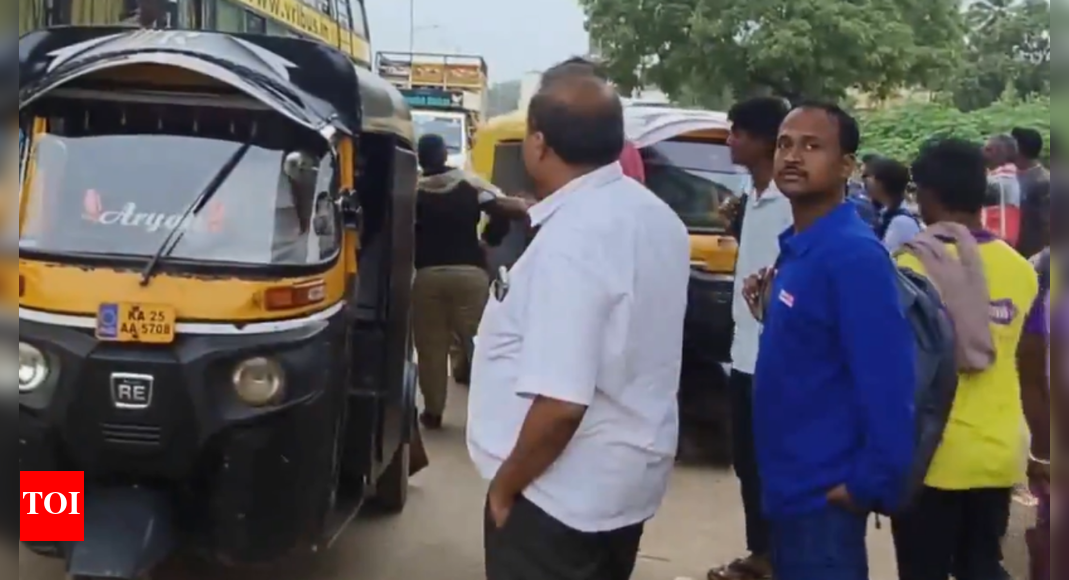
The recent bus strike in Karnataka has brought the state's public transportation system to a standstill, leaving thousands of commuters stranded and highlighting the deep-seated issues surrounding wage disputes and government responsiveness. The strike, initiated by employees of the state's road transport corporations, stems from long-standing grievances related to wage revision and the clearance of salary arrears. Despite an interim stay order issued by the Karnataka High Court, the unions proceeded with the strike, demonstrating the level of frustration and determination among the employees. The immediate impact of the strike was widespread, with bus services either suspended or severely limited in major cities and districts across the state. Visuals from bus stands depicted long queues and overcrowded platforms, as passengers scrambled to find alternative means of transportation. In some districts, not a single bus operated, effectively crippling public transport services. The disruption created an opportunity for private operators and cab aggregators to capitalize on the situation, with many passengers alleging overcharging by autorickshaws and other private transportation providers. This added to the commuters' woes, exacerbating the inconvenience and financial burden caused by the strike. The core of the dispute lies in the employees' demand for the clearance of 38 months' salary arrears and a wage revision effective from January 1, 2024. The government, however, has only offered to settle 14 months of dues, citing a recommendation from a one-man committee. This disparity in the proposed settlement has fueled the employees' resolve to continue the strike until their demands are met. The High Court's intervention, while intended to de-escalate the situation, has so far proven ineffective. The court expressed concern over the prolonged delay in wage payments and questioned the state government's handling of the issue, underscoring the severity of the problem and the need for a swift resolution. The government, on its part, has warned of disciplinary action against striking employees, invoking the Karnataka Essential Services Maintenance Act and implementing a 'no work, no pay' policy. However, these measures appear to have had little impact on the employees' determination to continue the strike. The situation is further complicated by the fact that over 1.1 crore people rely on Karnataka's state-run buses daily, including a significant number of commuters in Bengaluru. The widespread impact of the strike underscores the importance of public transportation in the state and the potential consequences of disruptions to this essential service. The government has reportedly prepared contingency measures involving private operators to keep limited services running, but the effectiveness of these measures in mitigating the impact of the strike remains to be seen. Ultimately, the resolution of the Karnataka bus strike hinges on the willingness of both the government and the unions to engage in meaningful negotiations and compromise. A failure to reach a mutually acceptable agreement could prolong the disruption, further inconveniencing commuters and potentially damaging the state's economy. The strike serves as a reminder of the importance of addressing employee grievances promptly and fairly, and of the potential consequences of neglecting the needs of public sector workers.
The Karnataka bus strike isn't just about money; it's about respect, recognition, and the fundamental rights of workers. The demand for 38 months of salary arrears isn't a frivolous request but a plea to be compensated for work already performed. Imagine working for years and not receiving your due wages. The frustration, the financial strain, and the sense of injustice would be immense. The government's offer to settle only 14 months of dues feels like a slap in the face, especially when the employees have been patiently waiting and negotiating for a fair resolution. The High Court's intervention highlights the seriousness of the situation and the government's responsibility to address the grievances of its employees. The fact that the court questioned the state's handling of the issue suggests a lack of proactive engagement and a failure to prioritize the needs of the transport workers. The government's response, characterized by threats of disciplinary action and the invocation of essential services legislation, appears heavy-handed and insensitive. While it's important to maintain essential services, it's equally important to understand and address the root causes of the strike. Punishing the workers who are fighting for their rights isn't a sustainable solution. A more constructive approach would involve genuine dialogue, a willingness to compromise, and a commitment to finding a fair and equitable resolution that satisfies the legitimate demands of the employees. The use of private operators as a contingency measure, while necessary to mitigate the disruption, shouldn't be seen as a long-term solution. Public transportation is a vital public service, and it's the government's responsibility to ensure that it's delivered efficiently and effectively. Relying on private operators can lead to higher fares, reduced service quality, and a lack of accountability. Instead, the government should focus on investing in its public transportation infrastructure and workforce, ensuring that employees are fairly compensated and that the system is sustainable in the long run. The strike also raises broader questions about the relationship between the government and its employees. It's crucial for the government to foster a culture of trust, respect, and open communication. This means actively listening to employee concerns, addressing grievances promptly and fairly, and involving employees in decision-making processes that affect their working conditions and livelihoods. When employees feel valued and respected, they are more likely to be productive, engaged, and committed to their work. This, in turn, leads to improved service quality and a more positive working environment.
The economic and social consequences of the Karnataka bus strike extend far beyond the immediate inconvenience experienced by commuters. The disruption to public transportation can have a ripple effect on businesses, schools, and other essential services. People may be unable to get to work, students may miss classes, and access to healthcare and other vital services may be limited. The strike also affects the livelihoods of those who depend on public transportation for their businesses, such as small vendors and shopkeepers who rely on commuters for their income. The increased reliance on private operators and cab aggregators can lead to higher transportation costs, disproportionately affecting low-income individuals and families. This can exacerbate existing inequalities and create further financial hardship for those who are already struggling to make ends meet. The strike can also damage the state's reputation as a reliable and efficient place to do business. Investors may be hesitant to invest in a state where essential services are frequently disrupted, potentially hindering economic growth and job creation. The government needs to recognize the long-term consequences of the strike and take decisive action to resolve the dispute in a way that minimizes the economic and social impact on the state. This requires a collaborative approach, involving all stakeholders, including the government, the unions, and representatives of the business community and civil society. A comprehensive solution should address the immediate concerns of the employees while also ensuring the long-term sustainability of the public transportation system. This may involve a combination of measures, such as negotiating a fair settlement of the salary arrears, implementing a wage revision plan that reflects the rising cost of living, investing in infrastructure improvements, and enhancing the efficiency and effectiveness of the transportation system. Ultimately, the Karnataka bus strike serves as a wake-up call for the government and all stakeholders to prioritize the needs of public sector workers and to ensure that essential services are delivered reliably and efficiently. By fostering a culture of trust, respect, and open communication, and by addressing employee grievances promptly and fairly, the state can create a more positive working environment, improve service quality, and promote sustainable economic growth. The resolution of the strike presents an opportunity for the government to demonstrate its commitment to its employees and to the citizens of Karnataka, and to build a more just and equitable society for all.
Furthermore, analyzing the delayed payments, it is evident that systemic financial planning and allocation issues within the road transport corporations of Karnataka need immediate attention. The accumulation of 38 months' worth of salary arrears suggests a chronic mismanagement of funds, likely exacerbated by factors like operational inefficiencies, revenue leakages, and perhaps, inadequate budgetary support from the state government. A thorough audit of the financial practices of these corporations is necessary to identify the root causes of the problem and to implement corrective measures. These measures might include streamlining revenue collection processes, reducing operational costs through technology adoption and process optimization, and ensuring that budgetary allocations are sufficient to cover employee salaries and other essential expenses. The government's response to the crisis also reveals a potential disconnect between the administration and the workforce. The initial reluctance to fully address the salary arrears, coupled with the subsequent threat of disciplinary action, suggests a top-down approach that fails to recognize the legitimate grievances of the employees. A more participatory approach, involving regular consultations with union representatives and employee feedback mechanisms, could help to prevent future disputes and to foster a more collaborative working environment. This also requires a shift in mindset, from viewing employees as mere cost centers to recognizing them as valuable assets who contribute significantly to the delivery of essential public services. Investing in employee training and development, providing opportunities for career advancement, and fostering a culture of recognition and appreciation can boost employee morale and productivity, ultimately benefiting the entire organization. The role of technology in transforming Karnataka's public transportation system cannot be overemphasized. Investing in smart transportation solutions, such as real-time tracking systems, automated fare collection, and integrated route planning tools, can improve efficiency, reduce costs, and enhance the overall passenger experience. This can also help to attract more commuters to public transportation, reducing traffic congestion and promoting environmental sustainability. The government should also explore the possibility of leveraging data analytics to optimize route planning, identify areas of high demand, and tailor services to meet the specific needs of different communities. This data-driven approach can help to ensure that public transportation resources are allocated efficiently and effectively, maximizing their impact on the state's economy and society.
The Karnataka bus strike also highlights the importance of effective communication and public awareness. Throughout the crisis, there was a lack of clear and timely information about the strike, its causes, and the alternative transportation options available to commuters. This created confusion and uncertainty, further exacerbating the inconvenience experienced by the public. The government should have proactively communicated with the public, providing regular updates on the negotiations with the unions and outlining the steps being taken to mitigate the impact of the strike. This could have helped to reduce anxiety and to build public support for a fair and equitable resolution. Furthermore, the government should have used various communication channels, including social media, traditional media, and public service announcements, to reach a wider audience and to ensure that everyone had access to the information they needed. The strike also underscores the need for a comprehensive public transportation policy that addresses the long-term challenges facing the sector. This policy should outline the government's vision for public transportation, its goals and objectives, and the strategies and actions it will take to achieve them. The policy should also address issues such as funding, infrastructure development, service quality, and environmental sustainability. By developing a clear and comprehensive public transportation policy, the government can provide a roadmap for the future and create a framework for sustainable growth and development. The strike presents an opportunity for the government to engage with stakeholders, including the public, the private sector, and civil society organizations, to develop a shared vision for public transportation and to build a consensus around the actions needed to achieve it. This collaborative approach can help to ensure that the public transportation system meets the needs of all citizens and contributes to the overall well-being of the state. The situation demands a multi-pronged approach involving financial audits, participatory governance, technological upgrades, and a robust communication strategy. Only through such holistic measures can Karnataka ensure a reliable, efficient, and equitable public transportation system for its citizens.
Source: Karnataka bus strike begins: Employees defy HC order as talks fail; thousands stranded across state