
 |
|
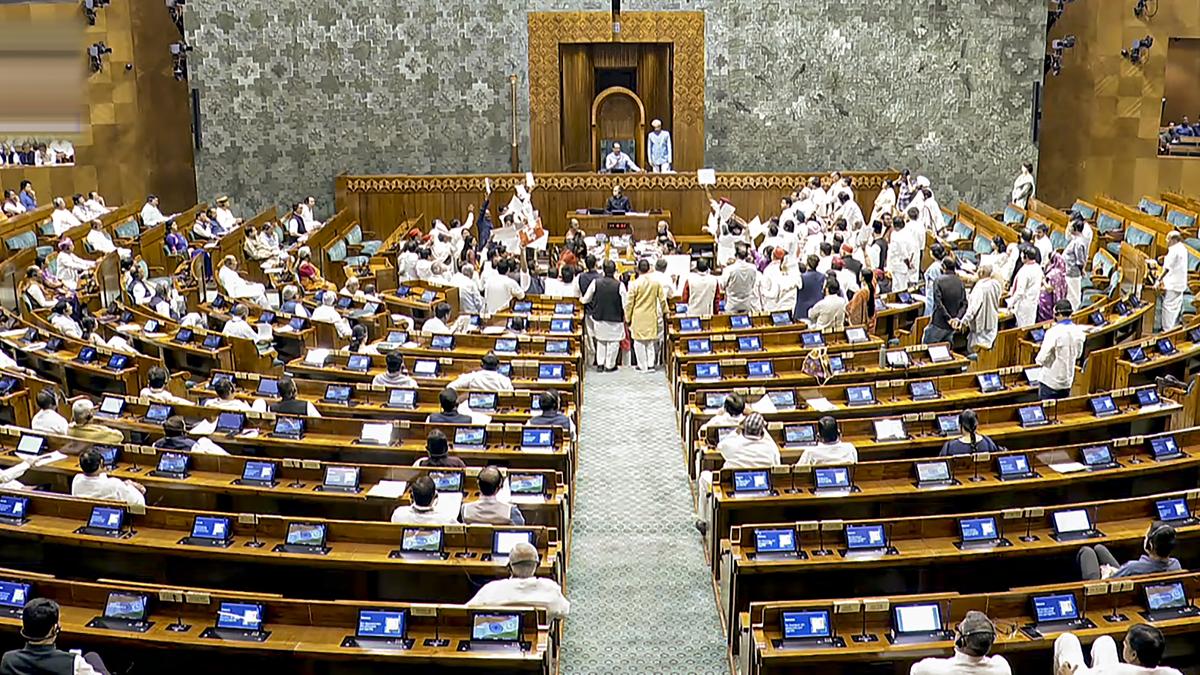
The Jan Vishwas (Amendment of Provisions) Bill 2025 represents a significant step in the Indian government's ongoing efforts to streamline regulations and foster a more conducive business environment. The core objective of the bill, as articulated by Commerce and Industry Minister Piyush Goyal, is to enhance trust-based governance, thereby facilitating ease of doing business across various sectors. This is achieved primarily through the decriminalization of minor offences, a move that shifts the focus from punitive measures to a more collaborative and compliance-oriented approach. The bill's introduction in the Lok Sabha, followed by its referral to a Select Committee, underscores the importance and complexity of the proposed amendments. The Select Committee's task is to meticulously examine the bill's provisions and provide recommendations, ensuring that the decriminalization process does not inadvertently undermine regulatory effectiveness or create loopholes that could be exploited. The timeline for the committee's report, set for the first day of the next session of Parliament, indicates a commitment to thorough deliberation and timely action. The context surrounding the bill's introduction is also noteworthy. The protests by Opposition parties, demanding discussions on voter roll revisions and other issues, highlight the political dynamics at play. Despite the disruptions, the government proceeded with the bill's introduction, signaling its determination to advance its reform agenda. The sheer scope of the bill, encompassing over 350 provisions across various laws, demonstrates the comprehensive nature of the government's decriminalization efforts. This is not an isolated initiative but rather part of a broader strategy to modernize the regulatory landscape and reduce the compliance burden on businesses. The reference to the Jan Vishwas (Amendment to Provisions) Act of 2023 provides valuable context. This earlier legislation decriminalized 183 provisions in 42 central Acts, administered by 19 ministries and departments. The 2023 Act served as a precedent, demonstrating the feasibility and potential benefits of decriminalization. The government's approach, as evidenced by the earlier Act, involves a nuanced recalibration of penalties. In some cases, imprisonment and fines are entirely removed. In others, imprisonment is removed, but a fine is retained. In still other cases, imprisonment and fine are converted to a penalty, often an administrative or civil penalty. This differentiated approach reflects a careful consideration of the nature of the offence and the appropriate level of deterrence. The Jan Vishwas Bill 2025 builds upon this foundation, extending the scope of decriminalization and refining the mechanisms for enforcement. The economic implications of this bill are potentially significant. By reducing the risk of imprisonment for minor offences, the government aims to create a more attractive investment climate, encouraging both domestic and foreign businesses to expand their operations in India. The reduced compliance burden can also free up resources for businesses, allowing them to focus on innovation, growth, and job creation. However, the success of the bill will depend on several factors. First, it is crucial that the decriminalization process is carefully implemented, with clear guidelines and robust monitoring mechanisms. Second, the government must ensure that the alternative penalties are effective in deterring non-compliance. Third, it is important to address any concerns that decriminalization could lead to an increase in certain types of offences. This requires a comprehensive approach that includes public awareness campaigns, training for law enforcement officials, and ongoing evaluation of the bill's impact. Furthermore, the success of the Jan Vishwas Bill will depend on the broader economic and political context. The bill is being introduced at a time of significant global uncertainty, with rising inflation, supply chain disruptions, and geopolitical tensions. These factors could dampen the impact of the bill, even if it is successfully implemented. In addition, the political climate in India remains highly polarized, which could make it difficult to build consensus around further reforms. The Opposition parties have already signaled their intention to scrutinize the bill closely, and they may seek to amend or block it if they believe it is not in the public interest. Despite these challenges, the Jan Vishwas Bill represents a positive step towards creating a more business-friendly environment in India. By reducing the burden of compliance and fostering a culture of trust, the government can unlock the country's economic potential and create opportunities for growth and prosperity. The key will be to ensure that the bill is implemented effectively and that its impact is carefully monitored. The Select Committee's recommendations will be crucial in shaping the final form of the legislation, and it is important that the committee members engage in thorough and open discussions with all stakeholders. In addition, the government must be prepared to address any concerns that arise during the implementation process and to make adjustments as necessary. The journey towards regulatory reform is a long and complex one, but the Jan Vishwas Bill is a significant milestone on that path. By embracing a more collaborative and compliance-oriented approach, the government can create a more dynamic and competitive economy that benefits all Indians. The careful consideration and implementation of this bill will be crucial in realizing its full potential. The detailed review by the Select Committee offers a vital opportunity to refine the bill and address any potential shortcomings. Their insights and recommendations will be instrumental in ensuring that the Jan Vishwas Bill achieves its intended objectives of promoting ease of living and doing business in India. Furthermore, ongoing monitoring and evaluation will be essential to assess the bill's impact and make necessary adjustments over time. This iterative approach will help to ensure that the bill remains relevant and effective in the face of evolving economic and social conditions. The Jan Vishwas Bill is not just about decriminalizing minor offences; it is about fostering a culture of trust and collaboration between the government and the business community. By creating a more predictable and transparent regulatory environment, the government can encourage businesses to invest, innovate, and create jobs. This, in turn, will lead to increased economic growth and improved living standards for all Indians. The success of the Jan Vishwas Bill will depend on the commitment of all stakeholders to work together to achieve its objectives. This includes the government, the business community, civil society organizations, and the general public. By engaging in open and constructive dialogue, these stakeholders can help to shape the future of India's regulatory landscape and create a more prosperous and equitable society. The Jan Vishwas Bill is a testament to the government's commitment to reform and its willingness to listen to the concerns of the business community. It is a bold and ambitious initiative that has the potential to transform India's economy and improve the lives of millions of people. The challenge now is to ensure that the bill is implemented effectively and that its benefits are shared by all. The Select Committee's report will be a crucial step in this process, and it is important that the committee members take their responsibility seriously. They must carefully consider all of the evidence and arguments presented to them and make recommendations that are in the best interests of the country. The Jan Vishwas Bill is a complex and multifaceted piece of legislation, but its underlying goal is simple: to make it easier for businesses to operate in India and to create a more vibrant and dynamic economy. By reducing the burden of compliance and fostering a culture of trust, the government can unlock the country's economic potential and create opportunities for growth and prosperity.
The impact of the Jan Vishwas Bill extends beyond the immediate benefits to businesses. It also has the potential to improve the efficiency and effectiveness of the government. By decriminalizing minor offences, the government can free up resources to focus on more serious crimes. This can lead to a more effective criminal justice system and a safer society. In addition, the Jan Vishwas Bill can help to reduce corruption. By simplifying regulations and reducing the scope for arbitrary enforcement, the government can make it more difficult for officials to demand bribes. This can lead to a more transparent and accountable government. The Jan Vishwas Bill is also a reflection of the changing nature of the global economy. In today's interconnected world, businesses are increasingly operating across borders. This means that they need to comply with a complex web of regulations in different countries. The Jan Vishwas Bill is an attempt to make it easier for Indian businesses to compete in the global marketplace. By reducing the burden of compliance, the government can help Indian businesses to thrive and create jobs. The Jan Vishwas Bill is not without its challenges. Some critics argue that it could lead to an increase in certain types of offences. Others are concerned that it could undermine the rule of law. However, the government has taken steps to address these concerns. The bill includes safeguards to ensure that decriminalization does not lead to an increase in crime. It also provides for alternative penalties that are proportionate to the offence. The Jan Vishwas Bill is a bold and ambitious initiative, but it is also a necessary one. India needs to modernize its regulatory landscape if it is to compete in the global economy. The Jan Vishwas Bill is a step in the right direction, and it has the potential to transform India's economy and improve the lives of millions of people. The government's commitment to regulatory reform is commendable, and it is important that this momentum is maintained. There are many other areas where regulations could be simplified and streamlined. The government should continue to work with the business community and civil society organizations to identify these areas and to develop solutions that are in the best interests of the country. The Jan Vishwas Bill is a symbol of hope for the future of India's economy. It is a reminder that the government is committed to creating a more business-friendly environment and to fostering a culture of innovation and entrepreneurship. By working together, we can build a more prosperous and equitable society for all Indians.
The continuous evolution of the Jan Vishwas framework, as demonstrated by both the 2023 Act and the proposed 2025 Bill, highlights the iterative nature of effective policymaking. It showcases a government willing to learn from past experiences and adapt its strategies to meet the evolving needs of the business community and the broader economy. This adaptability is crucial in a rapidly changing global landscape, where regulations must be both efficient and responsive to emerging challenges and opportunities. Furthermore, the emphasis on trust-based governance signifies a shift in mindset, moving away from a purely punitive approach towards a more collaborative and facilitative relationship between the government and businesses. This trust is essential for fostering a culture of compliance and encouraging businesses to actively participate in the regulatory process. However, building and maintaining this trust requires transparency, accountability, and a commitment to fairness from both sides. The Select Committee's role in scrutinizing the Jan Vishwas Bill is paramount. It provides an opportunity for thorough examination and debate, ensuring that all perspectives are considered and potential unintended consequences are addressed. The committee's recommendations should be based on evidence, analysis, and a clear understanding of the needs and concerns of all stakeholders. Moreover, the success of the Jan Vishwas initiative hinges on effective implementation. This requires clear communication, comprehensive training for government officials, and robust monitoring mechanisms to track progress and identify any areas that need improvement. The government must also be prepared to address any challenges that arise during implementation and to make adjustments as necessary. In addition to the immediate benefits of reduced compliance costs and a more favorable business environment, the Jan Vishwas Bill has the potential to foster a culture of innovation and entrepreneurship. By reducing the fear of prosecution for minor offences, the government can encourage businesses to take risks and experiment with new ideas. This can lead to the development of new products, services, and business models that drive economic growth and create jobs. Ultimately, the Jan Vishwas Bill is an investment in India's future. By creating a more business-friendly environment, the government is laying the foundation for long-term economic prosperity and improved living standards for all Indians. However, realizing this vision requires sustained commitment, ongoing dialogue, and a willingness to adapt to the evolving needs of the economy. The Jan Vishwas Bill is a significant step in the right direction, but it is just the beginning of a longer journey towards regulatory reform and economic transformation.