
 |
|
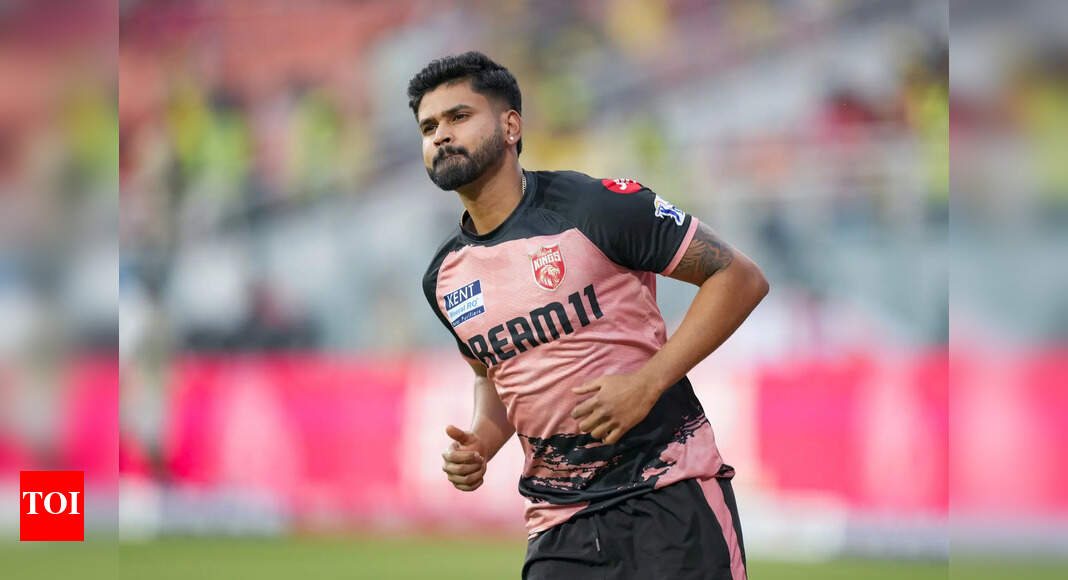
The recent developments surrounding the West Zone team selection for the Duleep Trophy have sparked considerable debate and discussion within Indian cricket circles. The initial offer of captaincy to Shreyas Iyer, his subsequent refusal, and the eventual appointment of Shardul Thakur to the leadership role represent a significant shift in team dynamics and selection strategies. Furthermore, the exclusion of veterans Ajinkya Rahane and Cheteshwar Pujara from the squad suggests a clear move towards investing in younger talent and building for the future. Iyer's decision to turn down the captaincy offer raises several questions. While the official explanation centers around his expectation of an Asia Cup call-up, the underlying reasons may be more complex. It is possible that Iyer, having recently recovered from injury, wanted to focus solely on his batting and regaining his form without the added pressure of captaincy. Alternatively, he might have had reservations about the team composition or the direction the selectors were taking. Whatever the specific motivations, Iyer's decision ultimately paved the way for Shardul Thakur to assume the leadership mantle. Thakur, a seasoned all-rounder with a proven track record in both domestic and international cricket, is a logical choice for captain. His aggressive style of play, his ability to contribute with both bat and ball, and his experience in pressure situations make him a valuable asset to the team. Moreover, his recent recovery from ankle surgery and his subsequent recall to the Indian Test team demonstrate his resilience and determination. The exclusion of Ajinkya Rahane and Cheteshwar Pujara from the West Zone squad marks the end of an era. Both players have been stalwarts of Indian cricket for over a decade, and their contributions to the national team and their respective domestic sides are undeniable. However, their recent form has been inconsistent, and the selectors seem to have made the difficult decision to move on and give opportunities to younger players. This decision is consistent with the broader trend in Indian cricket towards prioritizing youth and potential over experience. While Rahane and Pujara's experience would undoubtedly be valuable, the selectors seem to believe that it is more important to invest in players who can contribute to the team in the long term. The appointment of Kiran Powar as the West Zone team's head coach is another noteworthy development. Powar, a former Mumbai cricketer, has a wealth of experience in domestic cricket and is known for his ability to identify and nurture young talent. His appointment signals a commitment to developing the next generation of cricketers and building a strong foundation for the future. The Duleep Trophy is a prestigious domestic tournament that provides a platform for players to showcase their skills and stake their claim for national selection. This year's tournament is particularly important, as it marks the start of the 2025-26 domestic season and provides an opportunity for players to impress the selectors ahead of the upcoming international season. The West Zone team, under the leadership of Shardul Thakur and the guidance of Kiran Powar, will be looking to make a strong impression and challenge for the title. However, they will face stiff competition from other strong zonal teams, each boasting a wealth of talent and experience. The tournament promises to be a closely contested affair, with several exciting matches and individual performances expected.
The strategic implications of Shreyas Iyer's decision to decline the West Zone captaincy extend beyond mere team selection dynamics. It highlights the complex interplay between domestic commitments and aspirations for national representation. Iyer's anticipation of an Asia Cup call-up suggests a clear prioritization of international opportunities over regional leadership. This decision, while potentially understandable from an individual perspective, raises questions about the broader commitment to domestic cricket and the importance of nurturing leadership skills within the zonal structure. The Duleep Trophy, traditionally a breeding ground for future national captains, relies on experienced players stepping up to guide and mentor younger talents. Iyer's reluctance to embrace this role could be interpreted as a missed opportunity to hone his leadership abilities and contribute to the development of the next generation of cricketers. Furthermore, the circumstances surrounding Iyer's eventual exclusion from the Asia Cup squad add another layer of complexity to the situation. His initial expectation of selection, followed by his unexpected omission, underscores the unpredictable nature of international cricket and the challenges faced by players navigating the competitive landscape. The selectors' decision to overlook Iyer, despite his perceived readiness and prior involvement in white-ball training, suggests that other factors, such as team balance or specific role requirements, may have influenced their decision-making process. The appointment of Shardul Thakur as captain, while a positive development in itself, also raises questions about the long-term leadership succession plan within the Mumbai Ranji Trophy team. With Ajinkya Rahane stepping down from the role, Thakur's elevation to captaincy in the 2025-26 season appears to be a logical progression. However, it also highlights the limited pool of experienced leaders available within the Mumbai cricketing ecosystem. The selectors will need to identify and nurture potential future captains to ensure a smooth transition of leadership responsibilities in the years to come. The exclusion of Ajinkya Rahane and Cheteshwar Pujara from the West Zone squad represents a significant departure from established norms. Both players have been instrumental in shaping the landscape of Indian cricket over the past decade, and their experience and expertise would undoubtedly be valuable assets to any team. However, their recent struggles with form have raised concerns about their ability to consistently perform at the highest level. The selectors' decision to prioritize younger players reflects a broader strategic shift towards building a team for the future. While the experience of Rahane and Pujara will be missed, the selectors seem to believe that investing in youth and potential is the most effective way to ensure long-term success. This decision, while potentially controversial, is consistent with the global trend in sports towards embracing data-driven decision-making and prioritizing performance metrics over sentimentality. The Duleep Trophy provides a crucial platform for younger players to demonstrate their abilities and stake their claim for national selection. The West Zone team, under the leadership of Shardul Thakur and the guidance of Kiran Powar, will be looking to provide opportunities for these players to shine and contribute to the team's success.
The broader context of Indian cricket administration and its selection policies plays a crucial role in understanding the events surrounding the West Zone Duleep Trophy team. The selectors' decisions, while ostensibly focused on individual player performance and team composition, are often influenced by a complex web of factors, including political considerations, regional biases, and long-term strategic objectives. The lack of transparency in the selection process further complicates matters, making it difficult to fully understand the rationale behind specific decisions. The case of Shreyas Iyer's exclusion from the Asia Cup squad highlights this opacity. While the selectors may have had valid reasons for their decision, the absence of clear communication and justification fuels speculation and undermines public trust in the selection process. A more transparent and accountable selection process would not only enhance public confidence but also provide valuable feedback to players, allowing them to better understand their strengths and weaknesses and improve their performance. The role of zonal cricket in the broader ecosystem of Indian cricket also deserves consideration. The Duleep Trophy, as a zonal tournament, provides a crucial link between domestic cricket and international cricket. It allows players from different regions to compete against each other and showcase their talents on a national stage. However, the tournament's importance has diminished in recent years due to the proliferation of other domestic tournaments, such as the Ranji Trophy and the Vijay Hazare Trophy. To revitalize the Duleep Trophy, it is necessary to invest in its promotion and ensure that it attracts the best players from each zone. This would not only enhance the tournament's competitiveness but also provide a more meaningful platform for players to stake their claim for national selection. The appointment of Kiran Powar as the West Zone team's head coach represents a positive step in this direction. Powar's experience and expertise in domestic cricket make him well-suited to nurture young talent and guide the team to success. However, he will need the support of the selectors and the broader cricketing community to implement his vision and achieve his goals. The future of Indian cricket depends on the development of a strong and sustainable domestic structure. The Duleep Trophy, as a zonal tournament, can play a crucial role in this development by providing a platform for players from different regions to compete against each other and showcase their talents on a national stage. By investing in the tournament's promotion and ensuring that it attracts the best players from each zone, the BCCI can help to revitalize the Duleep Trophy and ensure that it continues to play a vital role in the development of Indian cricket. Furthermore, the BCCI needs to address the issue of transparency in the selection process and ensure that decisions are made based on merit and performance, rather than political considerations or regional biases. A more transparent and accountable selection process would not only enhance public confidence but also provide valuable feedback to players, allowing them to better understand their strengths and weaknesses and improve their performance. Ultimately, the success of Indian cricket depends on the collective efforts of players, coaches, selectors, and administrators. By working together, they can create a strong and sustainable domestic structure that produces world-class players and ensures the long-term success of Indian cricket.
Analyzing the strategic implications of player decisions, particularly regarding leadership roles within cricket teams, reveals a complex interplay of individual aspirations, team dynamics, and broader cricketing policies. Shreyas Iyer's decision to decline the West Zone captaincy offer, ostensibly due to his anticipation of an Asia Cup call-up, highlights the inherent tension between domestic commitments and international ambitions. While prioritizing national representation is understandable, it also raises questions about the value placed on leadership development within zonal structures like the Duleep Trophy. The Duleep Trophy, traditionally a platform for nurturing future national captains, relies on experienced players embracing leadership roles and mentoring younger talent. Iyer's reluctance to accept the captaincy could be seen as a missed opportunity to hone his leadership skills and contribute to the development of the next generation of cricketers. Furthermore, the unexpected exclusion of Iyer from the Asia Cup squad adds another layer of complexity to the situation. His initial expectation of selection, followed by his omission, underscores the unpredictable nature of international cricket and the challenges faced by players navigating the competitive landscape. The selectors' decision to overlook Iyer, despite his perceived readiness and prior involvement in white-ball training, suggests that other factors, such as team balance or specific role requirements, influenced their decision-making process. The subsequent appointment of Shardul Thakur as captain, while a positive development in itself, also raises questions about the long-term leadership succession plan within the Mumbai Ranji Trophy team. With Ajinkya Rahane stepping down from the role, Thakur's anticipated elevation to captaincy in the 2025-26 season appears a logical progression. However, it also highlights the potentially limited pool of experienced leaders available within the Mumbai cricketing ecosystem. Selectors must actively identify and nurture potential future captains to ensure a smooth transition of leadership responsibilities in the years to come. The exclusion of veterans Ajinkya Rahane and Cheteshwar Pujara from the West Zone squad signals a significant shift in selection strategy. Both players have been stalwarts of Indian cricket for over a decade, and their experience would undoubtedly be valuable. However, their recent inconsistent form has raised concerns. The selectors' decision to prioritize younger players reflects a move towards building a team for the future, even if it means foregoing the immediate benefits of Rahane and Pujara's experience. This decision aligns with global trends in sports, where data-driven decision-making and performance metrics are increasingly prioritized. The Duleep Trophy, therefore, becomes a crucial platform for these younger players to prove their abilities and earn national selection. The success of the West Zone team, under Shardul Thakur's leadership and Kiran Powar's guidance, will depend on providing opportunities for these players to excel and contribute to the team's overall performance. The strategic decisions made by players, selectors, and coaches within the context of the Duleep Trophy and broader Indian cricket landscape have far-reaching implications. They not only shape team composition and performance but also influence the development of future leaders and the overall direction of Indian cricket. A transparent, meritocratic, and forward-thinking approach is essential to ensure the continued success and growth of the sport in India.
Source: Duleep Trophy: Shreyas Iyer turns down West Zone captaincy offer; Shardul Thakur named instead