
 |
|
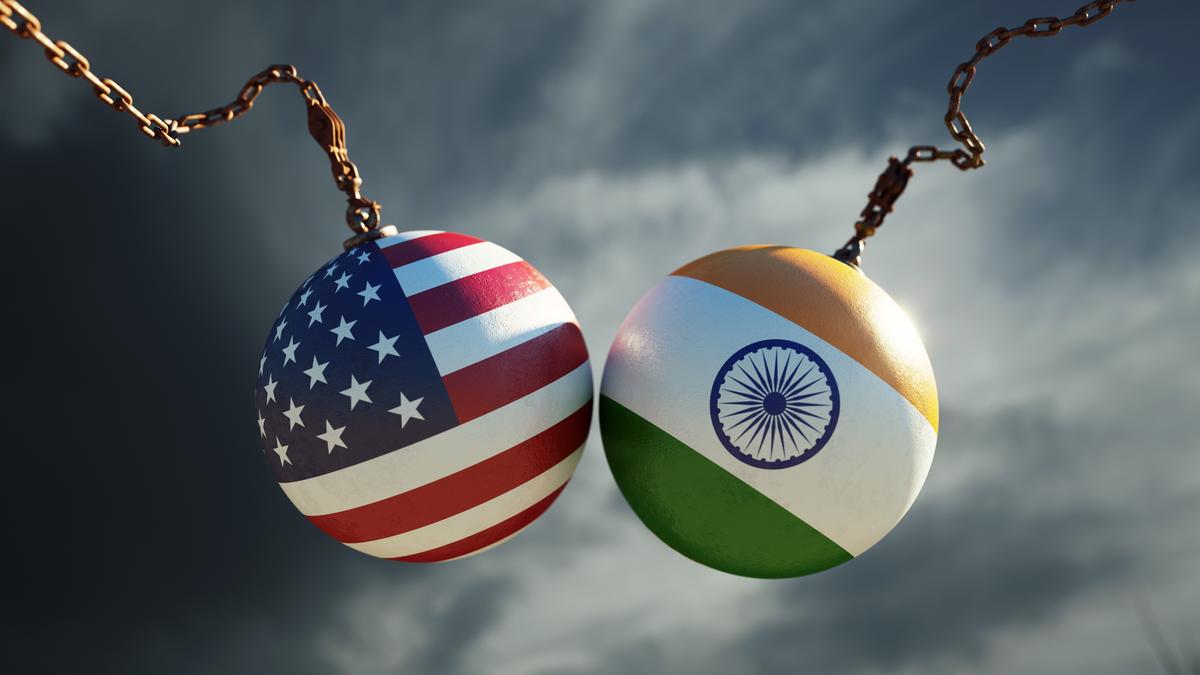
The Ministry of Defence's denial of pausing defence purchases from the United States throws a spotlight on the increasingly complex relationship between India and the U.S. in the context of escalating trade tensions and geopolitical realignments. The Reuters report, which claimed that India had put its plans to procure new U.S. weapons and aircraft on hold, suggested a significant shift in India's strategic posture. This perceived discontent stemmed from the tariffs imposed by President Donald Trump on Indian goods, which were framed as a retaliatory measure against India's purchase of Russian oil. This situation highlights a fundamental dilemma faced by many nations: balancing economic interests with strategic alliances and navigating the complexities of international relations where punitive measures can have far-reaching consequences. The denial from the Ministry of Defence can be interpreted in several ways. It could be a genuine commitment to maintaining the defence relationship with the U.S., irrespective of the trade frictions. Alternatively, it could be a tactical move to avoid further exacerbating tensions with the U.S., while subtly signaling India's displeasure with the trade barriers. The phrasing of the Ministry's statement, clarifying that "the various cases of procurement are being progressed as per the extant procedures," is noteworthy. This suggests that while no explicit decision has been made to halt purchases, the procurement process is proceeding according to established protocols, which might indirectly lead to delays or alterations in the planned acquisitions. This nuanced approach allows India to maintain a façade of continuity while subtly adjusting its strategic priorities. The U.S.'s decision to impose tariffs on Indian goods, citing India's purchase of Russian oil as a rationale, reflects a broader U.S. policy aimed at isolating Russia and curtailing its access to revenue streams that support its military operations in Ukraine. However, this policy has significant implications for countries like India, which rely on Russia for a significant portion of their energy needs and defence equipment. India's decision to continue purchasing Russian oil, despite the threat of sanctions, underscores its commitment to its own national interests and its desire to maintain a multi-aligned foreign policy. This independent stance often puts India at odds with the U.S., which seeks to enforce a more unified front against Russia. The escalating trade tensions between India and the U.S. also raise questions about the future of their strategic partnership. While both countries share common interests in countering China's growing influence in the Indo-Pacific region, these economic disputes could undermine the trust and cooperation necessary for effective collaboration. The imposition of tariffs can be viewed as a form of economic coercion, which can breed resentment and erode the goodwill between nations. The long-term impact of these trade disputes on the India-U.S. defence relationship remains to be seen. It is possible that both countries will find ways to compartmentalize their economic differences from their strategic partnership, recognizing the mutual benefits of continued collaboration on security matters. However, it is also conceivable that the trade tensions could eventually spill over into the defence realm, leading to a cooling of relations and a re-evaluation of India's defence procurement strategy. The incident also highlights the increasing importance of self-reliance in defence production for India. The 'Make in India' initiative, aimed at promoting domestic manufacturing of defence equipment, gains added significance in light of the uncertainties surrounding foreign arms purchases. By reducing its dependence on imported weapons, India can enhance its strategic autonomy and insulate itself from the vagaries of international politics. The future of the India-U.S. relationship hinges on the ability of both countries to manage their differences and find common ground. A constructive dialogue, aimed at resolving the trade disputes and reaffirming the commitment to strategic cooperation, is essential for maintaining a stable and mutually beneficial partnership. The current situation serves as a reminder that international relations are a complex interplay of economic, political, and security considerations, and that navigating these complexities requires skillful diplomacy and a long-term perspective.
The imposition of tariffs by the United States on Indian goods, particularly those related to exports, is a strategic move that carries significant implications for the global economic landscape and the intricate relationship between the two nations. The U.S. rationale behind this action, which centers around India's continued procurement of Russian oil, underscores a broader geopolitical strategy aimed at isolating Russia and diminishing its financial capacity to sustain its military actions. However, this policy also inadvertently creates a predicament for India, compelling it to navigate the delicate balance between fulfilling its energy requirements, maintaining its strategic autonomy, and honoring its commitments to international alliances. The decision by India to persist in purchasing Russian oil, despite the looming threat of sanctions and heightened tariffs, is indicative of its unwavering dedication to safeguarding its national interests. With a burgeoning population and a rapidly expanding economy, India's energy demands are substantial, and Russian oil presents a cost-effective and readily accessible solution. Abandoning this source would entail substantial economic repercussions, potentially jeopardizing India's economic growth and placing undue strain on its citizens. Furthermore, India's reluctance to succumb to U.S. pressure reflects its commitment to a multi-aligned foreign policy, which prioritizes independence and non-alignment in international affairs. This stance, while sometimes perceived as contrarian by the U.S., is deeply ingrained in India's diplomatic tradition and serves to preserve its strategic autonomy. The U.S. tariffs, which elevate the total duty on Indian exports to a staggering 50%, represent a considerable impediment to India's trade competitiveness. This action could lead to a decline in Indian exports to the U.S., adversely impacting industries reliant on exports and potentially resulting in job losses. Moreover, it could erode the confidence of foreign investors in India's economic prospects. The tariffs have the potential to trigger a cascade of retaliatory measures, escalating the trade dispute and inflicting further damage on both economies. India could respond by imposing tariffs on U.S. goods, thereby initiating a trade war that would ultimately harm consumers and businesses alike. The situation also raises concerns about the future of the India-U.S. strategic partnership. Despite sharing common interests in countering China's growing influence in the Indo-Pacific region, the economic tensions could undermine the trust and cooperation necessary for effective collaboration. The tariffs could be perceived as a betrayal of the spirit of partnership, fostering resentment and eroding goodwill. To mitigate the adverse consequences of the trade dispute, both India and the U.S. need to engage in constructive dialogue and explore avenues for resolving their differences. A mutually agreeable solution that addresses the U.S. concerns about Russia while also safeguarding India's economic interests is essential for preserving the long-term health of the relationship. One possible approach could involve India gradually diversifying its energy sources to reduce its reliance on Russian oil, while the U.S. could offer India alternative energy options and technical assistance. Another possibility could involve the U.S. granting India exemptions from the tariffs in exchange for specific commitments on trade practices and intellectual property protection. Ultimately, the success of the India-U.S. relationship hinges on the ability of both countries to manage their differences and find common ground. A constructive dialogue, aimed at resolving the trade disputes and reaffirming the commitment to strategic cooperation, is essential for maintaining a stable and mutually beneficial partnership.
The Ministry of Defence's emphatic denial of the reports suggesting a halt in defense purchases from the United States serves as a critical juncture in understanding the intricate dynamics shaping Indo-U.S. relations. The news, initially disseminated through a Reuters exclusive, insinuated that India was reassessing its arms procurement strategy due to mounting trade frictions instigated by heightened tariffs on Indian exports imposed by the Trump administration. This development, if true, would have signified a major shift in the defense partnership between the two nations, potentially undermining the collaborative efforts built over the years. The Ministry's swift rebuttal underscores the significance India places on its defense cooperation with the U.S. and its commitment to ensuring a seamless procurement process. It also highlights the challenges in navigating the complexities of international relations, where economic tensions can easily spill over into strategic partnerships. The assertion by the Ministry that "the various cases of procurement are being progressed as per the extant procedures" is noteworthy. While it unequivocally denies a complete halt, it also introduces a subtle element of caution. It suggests that the procurement process is being conducted meticulously, adhering to established protocols, which may indirectly result in delays or modifications. This nuanced approach allows India to maintain its commitment to the defense relationship while simultaneously signaling its concerns regarding the trade issues. The tariffs imposed by the U.S. on Indian goods, ostensibly in response to India's continued purchase of Russian oil, have become a major point of contention between the two nations. These tariffs, which raise the total duty on Indian exports to 50%, significantly impact India's competitiveness and could potentially lead to a trade war. India's continued reliance on Russian oil, despite the pressure from the U.S., reflects its prioritization of national interests and its commitment to an independent foreign policy. With a burgeoning economy and a large population, India requires a reliable and affordable energy source, and Russian oil fulfills this requirement. Abandoning this source would have significant economic repercussions, potentially jeopardizing India's growth and placing undue strain on its citizens. The incident underscores the growing importance of self-reliance in defense production for India. The "Make in India" initiative, aimed at boosting domestic manufacturing of defense equipment, becomes even more crucial in light of the uncertainties surrounding foreign arms purchases. By reducing its dependence on imported weapons, India can enhance its strategic autonomy and insulate itself from the vagaries of international politics. The future of the India-U.S. defense relationship hinges on the ability of both countries to manage their differences and find common ground. A constructive dialogue, aimed at resolving the trade disputes and reaffirming the commitment to strategic cooperation, is essential for maintaining a stable and mutually beneficial partnership. The incident serves as a reminder that international relations are a complex interplay of economic, political, and security considerations, and that navigating these complexities requires skillful diplomacy and a long-term perspective.
Source: Ministry of Defence denies reports of pausing defence purchases with U.S.