
 |
|
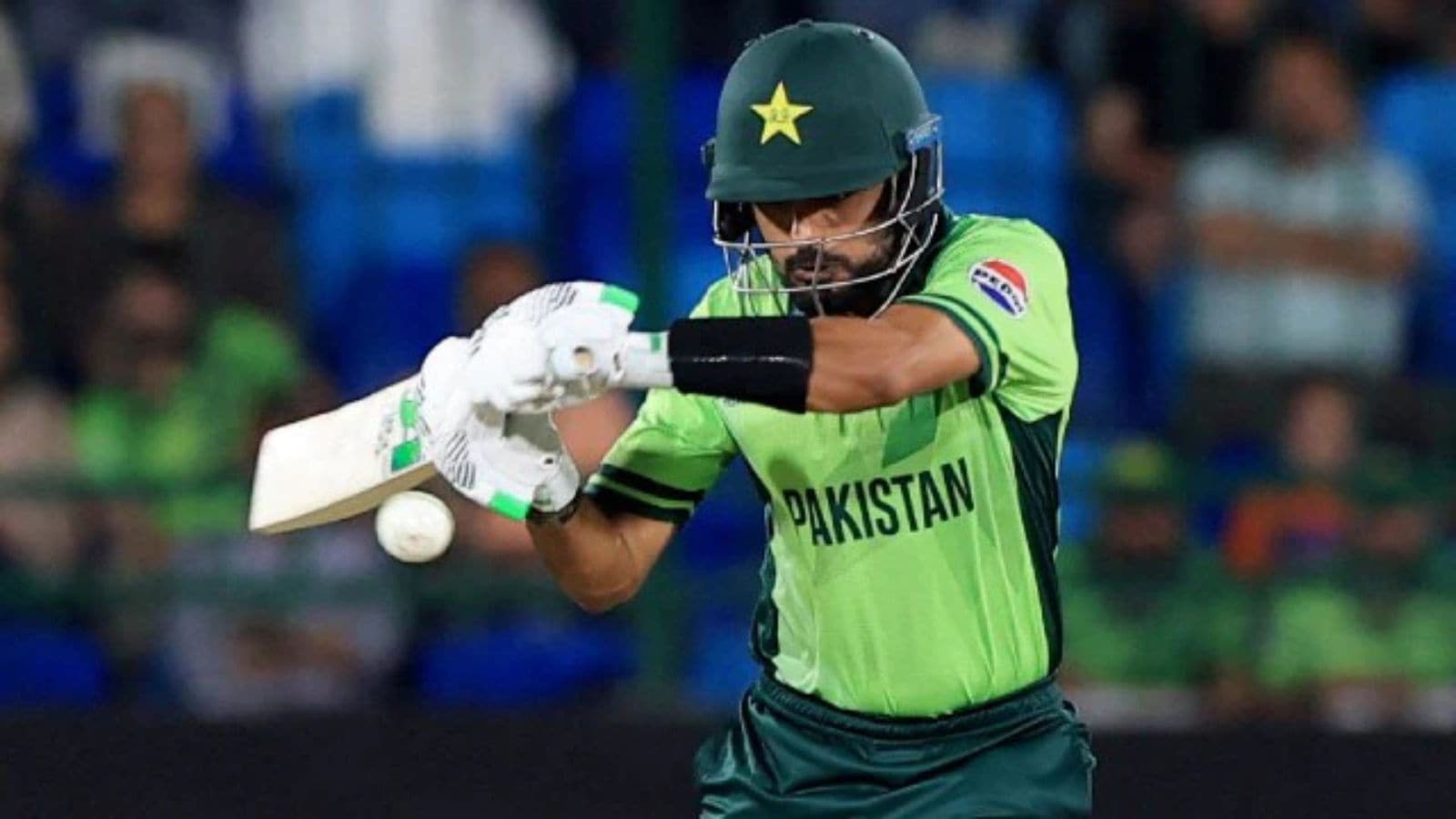
The exclusion of Babar Azam and Muhammad Rizwan from Pakistan's T20I squad for the Asia Cup and the subsequent tri-series has ignited a debate about their suitability for the shortest format of the game, particularly in the context of modern T20 cricket's demands for aggressive run-scoring and high strike rates. While both players are undeniably talented and have consistently been among the top run-scorers for Pakistan in T20Is, their perceived lack of explosiveness and a tendency to prioritize accumulation over aggression have come under increasing scrutiny. Mike Hesson, the Pakistan white-ball head coach, has publicly acknowledged these concerns, emphasizing the need for both Azam and Rizwan to actively address their strike rate and intent if they aspire to reclaim their positions in the T20I setup. Hesson's comments highlight a growing recognition within the Pakistan cricket establishment that a shift in approach is necessary to compete effectively in the ever-evolving landscape of T20 cricket. The emphasis on strike rate and intent reflects a broader trend in the game, where teams are increasingly valuing batsmen who can consistently score at a brisk pace and put pressure on the opposition's bowling attack from the outset. In this context, the traditional approach of building an innings gradually and then accelerating towards the end is becoming less viable, as teams often require quick starts and consistent aggression throughout the innings to maximize their scoring potential. The challenge for Babar Azam and Muhammad Rizwan lies in adapting their game to meet these evolving demands while still maintaining their core strengths. Both players possess exceptional technical skills and a proven ability to score runs consistently, but they need to find ways to incorporate more aggression and risk-taking into their batting without compromising their overall effectiveness. This might involve working on their ability to hit boundaries more frequently, particularly against spin bowling, and being more proactive in their shot selection, especially during the powerplay overs. Hesson's suggestion that Babar Azam should consider playing in the Big Bash League (BBL) is a significant one, as it underscores the importance of gaining experience in different conditions and against diverse bowling attacks. The BBL is renowned for its high-scoring matches and the aggressive nature of its batsmen, and playing in such an environment could potentially help Azam to develop a more attacking mindset and improve his ability to score quickly under pressure. However, it's also crucial to recognize that adapting to a different league and culture can be challenging, and Azam would need to be prepared to adjust his game accordingly. Ultimately, the success of Babar Azam and Muhammad Rizwan in the T20I format will depend on their willingness to embrace change and adapt their game to meet the evolving demands of the modern game. Their talent and experience are undeniable, but they need to demonstrate a commitment to improving their strike rate and intent if they want to remain integral members of the Pakistan T20I team. The Asia Cup snub serves as a wake-up call, and it remains to be seen whether they can rise to the challenge and prove their critics wrong.
The debate surrounding Babar Azam's T20I strike rate isn't new, but Hesson's public statement brings it into sharper focus. While Azam boasts impressive averages and consistency in the format, his scoring rate often lags behind that of other top-order batsmen, particularly those from teams like England, Australia, and India, who prioritize aggressive strokeplay and boundary hitting. This discrepancy has led to concerns that Azam's relatively slow scoring can put undue pressure on the middle order and prevent Pakistan from maximizing their scoring potential in T20Is. The argument in favor of Azam centers around his reliability and ability to anchor an innings. He's often seen as a stabilizing force at the top of the order, someone who can consistently score runs and ensure that Pakistan doesn't suffer early collapses. However, in modern T20 cricket, the emphasis is increasingly on maximizing scoring opportunities in every over, and batsmen who prioritize stability over aggression are often viewed as liabilities. The key is finding a balance between stability and aggression, and Azam needs to demonstrate that he can consistently score at a brisk pace without sacrificing his overall effectiveness. This might involve taking more calculated risks and being more proactive in his shot selection, particularly against spinners. Hesson's reference to Azam's need to improve against spin bowling is particularly noteworthy, as spinners often play a crucial role in controlling the flow of runs in the middle overs of a T20 innings. Azam needs to develop more attacking options against spin, such as sweeps, reverse sweeps, and lofted shots, to ensure that he can maintain a healthy scoring rate even when facing quality spin bowling. The BBL could provide him with an ideal platform to hone these skills, as the league features a number of talented spinners from around the world. Furthermore, the aggressive nature of the BBL environment could help him to develop a more attacking mindset and be less hesitant to take risks. However, it's important to acknowledge that the BBL is a different league with different conditions, and Azam would need to adapt his game accordingly. He would also need to be prepared to face a different level of scrutiny and expectation, as his performances would be closely analyzed by fans and pundits alike. Ultimately, the decision of whether or not to play in the BBL rests with Azam himself, but Hesson's endorsement suggests that it could be a valuable opportunity for him to improve his game and prove his doubters wrong.
Muhammad Rizwan's situation is somewhat similar to Babar Azam's, although the criticisms of his strike rate have been less frequent and less vocal. Rizwan has shown a greater willingness to take risks and play aggressively in recent times, but he still needs to improve his consistency and ability to score quickly against quality bowling attacks. He also needs to work on his ability to rotate the strike effectively, particularly when facing spin bowling, to prevent the innings from stagnating. Rizwan's strength lies in his ability to play a variety of shots and adapt his game to different situations. He's equally comfortable playing orthodox strokes and innovative shots, and he's shown a willingness to experiment and try new things. However, he needs to ensure that his aggression is controlled and calculated, and that he doesn't sacrifice his wicket unnecessarily in the pursuit of quick runs. The competition for places in Pakistan's T20I batting lineup is fierce, and both Azam and Rizwan need to prove that they deserve to be in the team. Their exclusion from the Asia Cup squad is a clear message that the selectors are not satisfied with their current performances and expect them to improve their strike rate and intent. The pressure is now on both players to respond to this challenge and demonstrate that they can adapt their game to meet the demands of modern T20 cricket. The upcoming domestic season will provide them with an opportunity to showcase their skills and prove that they are still capable of playing a significant role in Pakistan's T20I setup. They will need to score consistently and at a brisk pace to convince the selectors that they deserve another chance. Ultimately, the future of Babar Azam and Muhammad Rizwan in Pakistan's T20I team depends on their willingness to embrace change and adapt their game to meet the evolving demands of the modern game. Their talent and experience are undeniable, but they need to demonstrate a commitment to improving their strike rate and intent if they want to remain integral members of the team. The Asia Cup snub is a wake-up call, and it remains to be seen whether they can rise to the challenge and prove their critics wrong. The situation highlights the evolving nature of T20 cricket and the increasing emphasis on aggressive run-scoring and high strike rates. Batsmen who prioritize stability over aggression are increasingly viewed as liabilities, and teams are constantly searching for players who can consistently score at a brisk pace and put pressure on the opposition's bowling attack. The challenge for Babar Azam and Muhammad Rizwan is to adapt their game to meet these evolving demands while still maintaining their core strengths. They need to find a balance between stability and aggression, and demonstrate that they can consistently score at a brisk pace without sacrificing their overall effectiveness. The pressure is on both players to respond to this challenge and prove that they are still capable of playing a significant role in Pakistan's T20I setup.