
 |
|
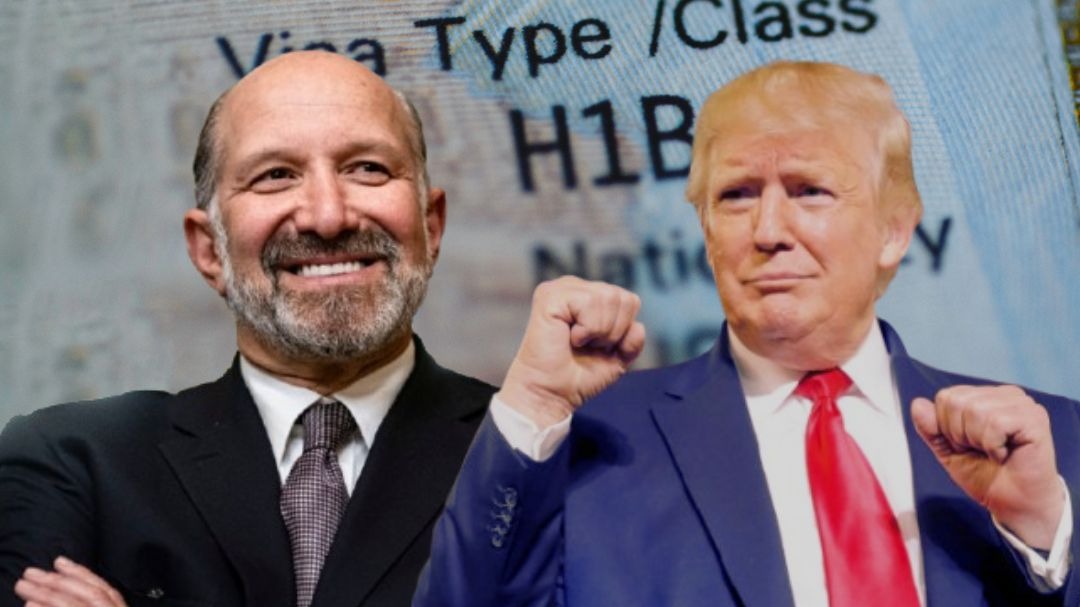
The Trump administration's proposed changes to the H-1B visa program are poised to reshape the landscape for Indian professionals seeking opportunities in the United States. For decades, the H-1B visa has served as a crucial pathway for skilled foreign workers, particularly those from India, to contribute their expertise to the American economy. The current system, primarily relying on a lottery or 'ballot' system, has allowed thousands of Indian engineers, IT specialists, and researchers to pursue career growth and, in many cases, secure permanent residency in the U.S. However, the impending shift towards a wage-based system, championed by figures like U.S. Commerce Secretary Howard Lutnick, threatens to fundamentally alter this dynamic. Lutnick, who has characterized the existing H-1B program as a 'scam,' advocates for prioritizing American workers and implementing a 'Gold Card' initiative that selects 'the best people first' based on salary and specialized skills, rather than random selection. This proposed reform has ignited a fierce debate, with proponents arguing that it will attract the most qualified individuals and ensure that American jobs are not unfairly taken by foreign workers, while critics contend that it will stifle innovation, limit access to talent, and ultimately harm the U.S. economy. The potential consequences of this policy shift are far-reaching, affecting not only Indian professionals but also the American companies that rely on their skills and expertise.
The core of the proposed changes lies in the transition from a lottery-based selection process to a system that prioritizes higher salaries. Under the existing lottery system, applicants are randomly selected, regardless of their salary or specific skill set, provided they meet the minimum qualifications for the H-1B visa. This system has been criticized for its perceived randomness, with some arguing that it allows less-qualified individuals to secure visas while more highly skilled and experienced professionals are left out. The Trump administration's proposed 'Gold Card' initiative aims to address this perceived flaw by prioritizing applicants with the highest salaries and most specialized skills. The rationale behind this approach is that individuals commanding higher salaries are likely to be more valuable to American companies and therefore more deserving of H-1B visas. This shift could have a significant impact on the demographics of H-1B visa recipients. While highly skilled Indian professionals with lucrative job offers may continue to secure visas, younger professionals, recent graduates, and those with lower salaries may find it significantly more difficult to gain access to the U.S. labor market. The competition for visas is expected to intensify, potentially leading to a decline in the number of Indian professionals working in the United States. The impact will also vary across different sectors. Industries such as technology and finance, where high salaries are more common, may be less affected than sectors with lower average salaries.
The potential consequences for American companies, particularly those in the technology and IT sectors, are significant and warrant careful consideration. For years, these companies have heavily relied on Indian talent to fill critical skill gaps and drive innovation. The H-1B visa program has provided a vital pipeline for these companies to access a pool of highly qualified and experienced professionals from India, often at competitive salaries. Restricting the availability of H-1B visas could force these companies to adopt alternative strategies, such as hiring remotely from India or outsourcing more jobs abroad. While these strategies may offer short-term cost savings, they could also have negative long-term consequences. Remote work and outsourcing can pose challenges in terms of communication, collaboration, and intellectual property protection. Furthermore, a decline in the availability of H-1B visas could discourage foreign students from pursuing STEM education in the United States, potentially leading to a shortage of skilled workers in the long run. This could ultimately harm U.S. competitiveness and innovation. Experts warn that restricting access to foreign talent could lead to a decline in U.S. innovation, as companies may be forced to relocate research and development activities to countries with more favorable immigration policies. The U.S. Office of Information and Regulatory Affairs' approval of a draft rule for the new system signals the administration's firm commitment to a stricter, wage-based immigration policy. The long-term effects of this policy remain to be seen, but it is clear that it will have a profound impact on Indian professionals and American companies alike.
Furthermore, the emphasis on high salaries as a primary criterion for H-1B visa selection raises concerns about potential discrimination and bias. While proponents argue that higher salaries reflect greater skills and experience, critics point out that salary levels can also be influenced by factors such as gender, ethnicity, and nationality. Women and minorities, for example, often face pay disparities compared to their male and white counterparts, even when they possess the same qualifications and experience. A system that prioritizes high salaries could inadvertently perpetuate these existing inequalities, further disadvantaging already marginalized groups. Moreover, the focus on salary could incentivize companies to offer lower salaries to foreign workers, knowing that they may still be able to secure H-1B visas due to the overall scarcity of available visas. This could depress wages for all workers, both foreign and domestic, and undermine the goal of protecting American jobs. A more nuanced approach to H-1B visa selection would take into account a wider range of factors, such as education, experience, skills, and contributions to the U.S. economy. This would help ensure that the most qualified individuals, regardless of their salary level, have the opportunity to contribute their talents to the United States.
The proposed changes to the H-1B visa program also raise questions about the future of U.S.-India relations. India has long been a major source of skilled workers for the United States, and the H-1B visa program has played a crucial role in fostering economic ties between the two countries. Restricting the availability of H-1B visas could strain these relations and potentially lead to retaliatory measures from the Indian government. For instance, India could impose restrictions on the entry of American professionals or increase tariffs on U.S. goods and services. A more cooperative approach to immigration policy would involve working with the Indian government to address concerns about wage disparities and worker exploitation. This could include measures such as establishing minimum wage standards for H-1B workers and strengthening enforcement of labor laws. It is essential to recognize that the H-1B visa program is not a zero-sum game. Foreign workers can contribute significantly to the U.S. economy, creating jobs and driving innovation. A well-designed immigration policy should aim to attract the best and brightest from around the world while also protecting the interests of American workers. The Trump administration's proposed changes to the H-1B visa program represent a significant departure from this approach. The long-term consequences of this policy remain uncertain, but it is clear that it will have a profound impact on Indian professionals, American companies, and the U.S. economy as a whole. A more balanced and nuanced approach to immigration policy is needed to ensure that the United States remains a global leader in innovation and economic competitiveness.
Source: How Trump's H-1B Shake-Up Could Affect Indian Professionals