
 |
|
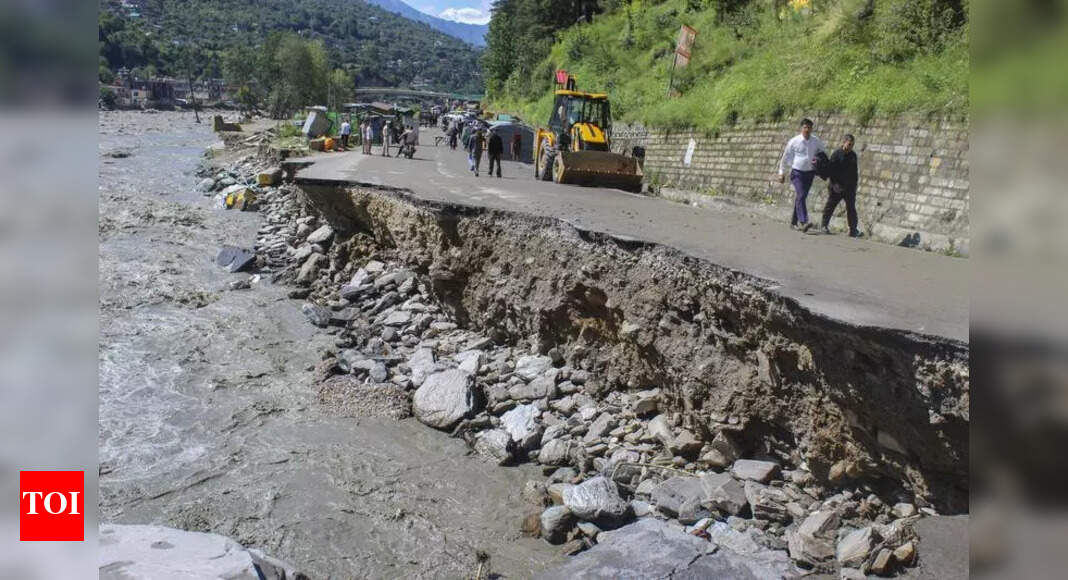
The recent flooding in Himachal Pradesh represents a severe environmental and humanitarian crisis, underscoring the vulnerability of the region to extreme weather events. The unprecedented rainfall, significantly exceeding normal averages in Chamba and Kullu districts, has triggered widespread devastation, impacting infrastructure, disrupting communication networks, and endangering the lives of countless residents and pilgrims. The situation demands immediate and sustained attention, encompassing rescue efforts, relief operations, and long-term strategies for disaster preparedness and climate resilience. The sheer scale of the damage highlights the urgent need for a comprehensive assessment of the factors contributing to the increased frequency and intensity of such events, particularly in the context of climate change. The disruption of mobile connectivity in Chamba further exacerbates the challenges, impeding communication and hindering rescue efforts. The suspension of the Manimahesh Yatra, a significant religious pilgrimage, reflects the gravity of the situation and the imperative to prioritize the safety of devotees. The destruction of houses in Halun and Salun villages, coupled with the risk to other structures, underscores the destructive power of the Ravi river and the vulnerability of settlements located in close proximity to waterways. The plea by BJP legislator Janak Raj for helicopter services underscores the urgency and the limitations of ground-based rescue operations in the face of widespread road closures and communication breakdowns. The closure of educational institutions in Chamba reflects the disruption to daily life and the need to prioritize safety and recovery efforts. While the respite from rain in Kullu offers a temporary reprieve, the restoration of mobile and internet services is crucial for facilitating communication and coordinating relief efforts. The cumulative impact of the relentless monsoon, as evidenced by the loss of life, the number of missing persons, and the extent of infrastructure damage, paints a grim picture of the challenges facing Himachal Pradesh. The data on road closures, affected power distribution transformers, and disrupted water supply schemes further underscores the widespread disruption to essential services. The high number of flash floods, cloudbursts, and landslides highlights the complex interplay of factors contributing to the region's vulnerability. The staggering financial loss of Rs 2,623 crore underscores the economic impact of the disaster and the need for substantial investment in recovery and reconstruction efforts. The yellow alert issued by the weather department serves as a reminder of the ongoing risk of heavy rain and the need for continued vigilance and preparedness. The overall situation underscores the importance of proactive measures to mitigate the risks associated with extreme weather events, including improved infrastructure, enhanced early warning systems, and sustainable land management practices. The crisis also highlights the need for greater awareness and preparedness among local communities, empowering them to respond effectively to emergencies. The long-term recovery of Himachal Pradesh will require a concerted effort involving government agencies, non-governmental organizations, and local communities, working together to rebuild infrastructure, restore livelihoods, and enhance resilience to future disasters. The event serves as a stark reminder of the devastating consequences of climate change and the urgent need for global action to reduce greenhouse gas emissions and mitigate the impacts of extreme weather events. The human cost of the disaster is immeasurable, with families displaced, livelihoods destroyed, and communities traumatized. The psychological impact of the flooding should not be underestimated, and it is essential to provide mental health support to those affected. The recovery process must be inclusive and equitable, ensuring that the most vulnerable populations are prioritized and that their needs are met. The crisis also presents an opportunity to learn from past mistakes and to adopt more sustainable development practices that minimize the risk of future disasters. This includes avoiding construction in vulnerable areas, promoting sustainable agriculture, and protecting forests and other natural resources. The long-term sustainability of Himachal Pradesh depends on its ability to adapt to climate change and to build a more resilient society. This will require a fundamental shift in thinking and a commitment to sustainable development principles. The international community can play a crucial role in supporting Himachal Pradesh's recovery efforts, providing financial assistance, technical expertise, and humanitarian aid. The crisis underscores the interconnectedness of the global community and the need for international cooperation to address the challenges of climate change. The recovery of Himachal Pradesh will be a long and arduous process, but it is essential to ensure that the region is able to rebuild and to thrive in the face of future challenges. The resilience and determination of the people of Himachal Pradesh will be crucial to their success. The lessons learned from this disaster must be applied to other regions that are vulnerable to climate change, helping to build a more resilient and sustainable world. The event highlights the importance of investing in climate adaptation measures, such as improved drainage systems, flood defenses, and early warning systems. These investments can save lives and reduce the economic impact of future disasters. The crisis also underscores the need for greater transparency and accountability in disaster management, ensuring that resources are used effectively and that those affected receive the assistance they need. The long-term recovery of Himachal Pradesh will require a collaborative effort involving all stakeholders, working together to build a more resilient and sustainable future for the region. The event serves as a wake-up call to the world, highlighting the urgent need to address climate change and to build a more resilient future for all.
Beyond the immediate devastation, the floods in Himachal Pradesh raise critical questions about land use planning and environmental regulations. The encroachment of settlements and infrastructure on floodplains has undoubtedly exacerbated the impact of the disaster, highlighting the need for stricter enforcement of zoning laws and building codes. The degradation of forests and other natural resources has also contributed to increased vulnerability to flooding and landslides. Deforestation reduces the capacity of the land to absorb rainfall, increasing surface runoff and the risk of erosion. Unsustainable agricultural practices can also contribute to soil degradation and increased vulnerability to landslides. A comprehensive review of land use policies and environmental regulations is essential to ensure that development is sustainable and that the risks of future disasters are minimized. This review should involve all stakeholders, including government agencies, local communities, and environmental experts. The goal should be to create a framework that balances economic development with environmental protection and that promotes resilience to climate change. In addition to stricter regulations, there is also a need for greater investment in environmental restoration and conservation. This includes reforestation efforts, soil conservation measures, and the protection of wetlands and other natural habitats. These investments can help to reduce the risk of flooding and landslides and to improve the overall health of the environment. Furthermore, it is crucial to promote sustainable tourism practices that minimize the impact on the environment and that support local communities. The tourism industry is a major source of income for Himachal Pradesh, but it can also contribute to environmental degradation if not managed properly. Sustainable tourism practices include reducing waste, conserving water, and supporting local businesses. By adopting a more sustainable approach to development, Himachal Pradesh can reduce its vulnerability to climate change and create a more resilient future for its people. This will require a long-term commitment and a collaborative effort involving all stakeholders. The challenges are significant, but the rewards are even greater. A sustainable and resilient Himachal Pradesh will be a model for other regions facing similar challenges and will contribute to a more sustainable and equitable world.
The response to the Himachal Pradesh flood crisis also underscores the critical role of technology in disaster management. The disruption of mobile connectivity in Chamba highlighted the vulnerability of communication networks to extreme weather events and the need for redundant systems. Satellite communication technologies can provide a reliable alternative in areas where terrestrial networks are unavailable. Unmanned aerial vehicles (UAVs), or drones, can also play a crucial role in disaster assessment and response. Drones can be used to survey damaged areas, identify stranded individuals, and deliver essential supplies. They can also be used to monitor floodwaters and landslides, providing valuable information for rescue and relief operations. Social media platforms can also be used to disseminate information and to coordinate relief efforts. However, it is important to verify the accuracy of information shared on social media and to combat the spread of misinformation. Artificial intelligence (AI) can also be used to analyze data and to predict future disasters. AI algorithms can be trained to identify patterns in weather data, historical disaster records, and other relevant information to provide early warnings of potential hazards. The use of technology in disaster management is constantly evolving, and it is essential to stay abreast of the latest developments. By embracing new technologies and investing in robust communication networks, Himachal Pradesh can improve its ability to prepare for, respond to, and recover from future disasters. This will require a collaborative effort involving government agencies, technology companies, and research institutions. The goal should be to create a technology-driven disaster management system that is effective, efficient, and reliable. The investment in technology is an investment in the future, helping to protect lives and livelihoods and to build a more resilient society.
Source: Rivers scare Chamba & Kullu; Manimahesh Yatra suspended