
 |
|
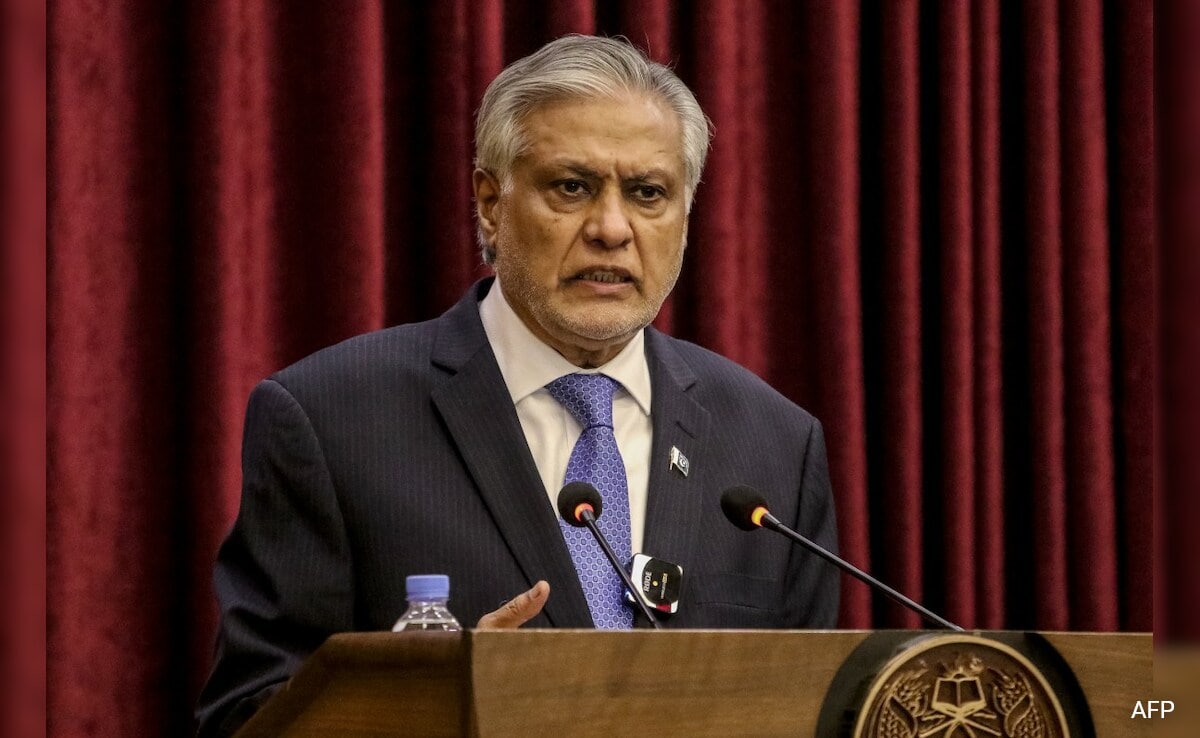
The thawing of relations between Pakistan and Bangladesh, highlighted by the recent visit of Pakistani Deputy Prime Minister Ishaq Dar, presents a complex geopolitical landscape with potential ramifications for regional stability. The signing of a visa exemption agreement for diplomatic and official passport holders marks a significant step in normalizing relations, a development that has been decades in the making since the tumultuous birth of Bangladesh in 1971. This agreement facilitates easier travel and interaction between officials of both nations, potentially fostering greater understanding and cooperation on various fronts. Beyond the visa agreement, the signing of four Memoranda of Understanding (MoUs) signals a broader commitment to strengthening ties. These MoUs encompass areas of mutual interest, including trade, foreign service training, news agency collaboration, and strategic studies. The formation of a Joint Working Group on trade issues suggests a concerted effort to boost economic cooperation, which could benefit both countries. Cooperation between the foreign service academies aims to enhance diplomatic skills and foster closer working relationships between diplomats. Similarly, collaboration between the state news agencies could improve the flow of information and promote positive narratives. The partnership between the Bangladesh Institute of International and Strategic Studies (BIISS) and the Institute of Strategic Studies Islamabad (ISSI) could facilitate joint research and analysis on regional and global issues, contributing to informed policymaking. However, the path towards reconciliation is not without its hurdles. The legacy of the 1971 liberation war, during which the Pakistani army committed atrocities and orchestrated a genocide, remains a sensitive issue. While the signing of the visa agreement and MoUs represents progress, the wounds of the past continue to shape the relationship between the two countries. The disagreement over the resolution of outstanding issues related to 1971 underscores the complexities involved. Ishaq Dar's claim that two out of three unresolved issues, including an apology for the genocide, have already been settled was swiftly rebuffed by Bangladesh, indicating a divergence in perspectives. The Bangladeshi Interim Government's Foreign Adviser, Touhid Hossain, emphasized that discussions on pending bilateral matters will continue, suggesting that a consensus has not yet been reached. This highlights the importance of addressing historical grievances in a transparent and respectful manner to build a foundation for lasting reconciliation. The revitalization of the South Asian Association for Regional Cooperation (SAARC) emerged as a key theme during Ishaq Dar's visit. Chief Adviser of the interim government, Professor Muhammad Yunus, emphasized the importance of SAARC in promoting regional cooperation and development. Dar echoed this sentiment, conveying greetings from Pakistan's Prime Minister, Muhammad Shehbaz Sharif, and highlighting the shared vision for SAARC. The emphasis on SAARC underscores the recognition that regional cooperation is essential for addressing common challenges and promoting economic growth. However, the effectiveness of SAARC has been hampered by political tensions and a lack of consensus on key issues. Revitalizing SAARC would require a renewed commitment from all member states to prioritize regional cooperation and address outstanding disputes. The visit also included meetings with key political figures in Bangladesh, including BNP Chairperson Begum Khaleda Zia and Jamaat-e-Islami Ameer Shafiqur Rahman. These meetings reflect Pakistan's engagement with a broad spectrum of political actors in Bangladesh, but also raise concerns given Jamaat-e-Islami's history and past ban due to terror links. The Jamaat-e-Islami Bangladesh, a hardline Islamic party with close ties to Pakistan, was banned during the Sheikh Hasina regime due to terror links, although the ban was overturned. India is closely monitoring the developments in Bangladesh-Pakistan relations, particularly in light of growing instances of anti-India statements emanating from Bangladesh. The potential for Pakistan to use Bangladesh as a base for anti-India activities is a significant concern for New Delhi. The improvement in Bangladesh-Pakistan ties could be perceived as a challenge to India's regional influence. The deterioration of India-Bangladesh relations since August last year has created an opportunity for Pakistan to strengthen its ties with Bangladesh. This dynamic highlights the interplay of regional geopolitics and the importance of maintaining stable and constructive relations between all countries in the region. The visit of Ishaq Dar to Bangladesh has far reaching implications for the region. These must be examined, understood and planned for by all nations involved.
The normalization of relations between Pakistan and Bangladesh is occurring against a backdrop of shifting geopolitical alignments in South Asia. Historically, India has been the dominant power in the region, but the rise of China and the growing assertiveness of other regional players are reshaping the balance of power. The improvement in Bangladesh-Pakistan ties could be seen as part of a broader trend towards multipolarity, where smaller countries seek to diversify their relationships and reduce their dependence on any single power. From Pakistan's perspective, strengthening ties with Bangladesh could help to counter India's influence and promote its own strategic interests in the region. Bangladesh, on the other hand, may see closer ties with Pakistan as a way to enhance its economic and political leverage and to pursue its own national interests. However, it is crucial that both countries address the historical grievances and build a relationship based on mutual respect and understanding. The legacy of the 1971 liberation war continues to cast a long shadow over the relationship between Pakistan and Bangladesh. The atrocities committed by the Pakistani army during the war left deep scars on the Bangladeshi psyche, and it is essential that Pakistan acknowledge and apologize for these past wrongs. While Ishaq Dar claimed that an apology had already been offered, this view is not shared by many in Bangladesh, who feel that a more sincere and unequivocal apology is needed. Addressing the issue of war crimes trials is also crucial. Many Bangladeshis feel that those responsible for the atrocities during the 1971 war should be brought to justice. However, this issue has been a source of tension between the two countries, as Pakistan has resisted calls for the extradition of alleged war criminals. Finding a way to address this issue in a way that is both just and acceptable to both sides is essential for building trust and reconciliation. Beyond the historical issues, there are also a number of practical challenges that need to be addressed in order to strengthen Bangladesh-Pakistan relations. Trade between the two countries remains relatively low, and there is significant potential for increasing economic cooperation. Investment flows are also limited, and both countries could benefit from attracting more foreign investment. Improving connectivity and transportation links is also important for facilitating trade and investment. This could involve developing infrastructure projects such as roads, railways, and ports. Enhancing people-to-people contacts is also crucial for building trust and understanding. This could involve promoting cultural exchanges, student exchange programs, and tourism. Facilitating greater interaction between civil society organizations and think tanks could also help to foster dialogue and understanding. The role of external actors, particularly India and China, is also an important factor to consider. India has traditionally been wary of closer ties between Bangladesh and Pakistan, fearing that this could undermine its regional influence. China, on the other hand, has been actively seeking to expand its influence in South Asia, and closer ties between Bangladesh and Pakistan could potentially serve its interests. However, it is important for both Bangladesh and Pakistan to maintain an independent foreign policy and to avoid becoming pawns in a larger geopolitical game. Building a strong and stable relationship between Bangladesh and Pakistan requires a long-term commitment and a willingness to overcome the challenges of the past. By addressing the historical grievances, promoting economic cooperation, enhancing people-to-people contacts, and maintaining an independent foreign policy, both countries can contribute to peace, stability, and prosperity in South Asia.
In conclusion, the recent developments in Bangladesh-Pakistan relations represent a significant shift in the regional landscape. The signing of the visa exemption agreement and the MoUs signals a desire for closer cooperation, but the disagreement over the resolution of historical grievances underscores the challenges that remain. The revitalization of SAARC could provide a platform for regional cooperation, but its effectiveness depends on a renewed commitment from all member states. The role of external actors, particularly India and China, will also shape the future of Bangladesh-Pakistan relations. Ultimately, the success of this rapprochement will depend on the willingness of both countries to address the historical issues in a transparent and respectful manner, to promote economic cooperation, and to build trust and understanding between their people. The situation in South Asia is complex, but it has the potential for peace and prosperity if the correct actions are taken. Both Bangladesh and Pakistan must continue to strive for peace. Only then can the people of each nation thrive. The regional players must be cognizant of their past actions, and learn from them to ensure prosperity and peace in the future. The steps that both nations take next will truly define them for generations to come. With the right leadership, the opportunity for growth and development is limitless for the region. Only time will tell if the right steps are taken.
Bangladesh-Pakistan relations continue to evolve and change with the geopolitical situation. Understanding the historical and current factors that govern each nations actions is paramount to projecting their future relationship. The two nations have many similarities which they must focus on to grow and build for the next generations. Ignoring the past is detrimental, but dwelling on it equally will hinder progress. The next few years will be critical for solidifying this growing relationship, and must be done with the correct leadership.
Source: Pak Claims Pending Bi-Lateral Issues Settled, Bangladesh Disagrees