
 |
|
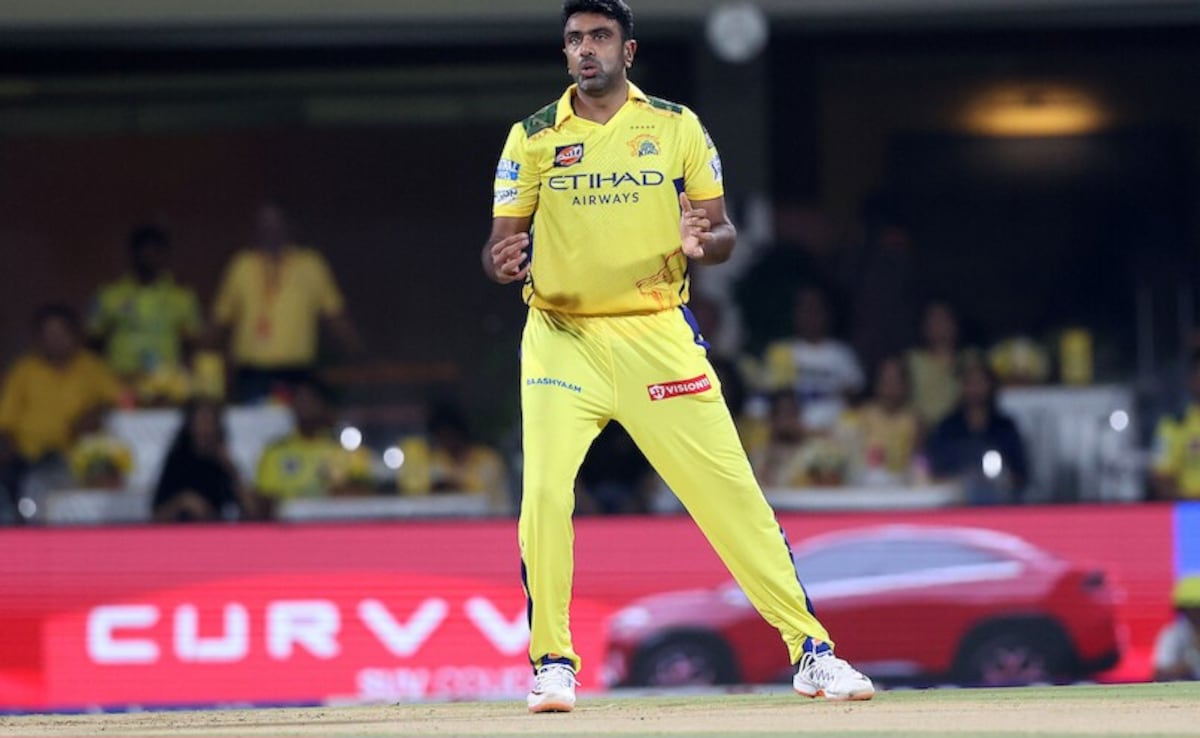
Ravichandran Ashwin's decision to retire from the Indian Premier League (IPL) to pursue opportunities in various overseas leagues has sparked a significant discussion about the future of Indian cricketers' participation in international cricket. Ashwin, a veteran spinner and a prominent figure in Indian cricket, announced his departure from the IPL on August 27th, signaling a new chapter in his career. His statement on X, expressing his transition from an IPL cricketer to an explorer of the game across different leagues, has resonated within the cricketing community. This move, coupled with former India opener Aakash Chopra's analysis, suggests a potential shift in the landscape of Indian cricket, particularly concerning players seeking opportunities beyond the IPL and international cricket. The core issue revolves around the current restrictions imposed on active Indian cricketers, preventing them from participating in overseas leagues without retiring from Indian cricket altogether. This regulation necessitates players to relinquish their IPL contracts and their eligibility for representing India in international matches, creating a significant dilemma for those considering playing abroad. Aakash Chopra, in his analysis, emphasizes the implications of Ashwin's decision. He acknowledges that while Ashwin's IPL career has been remarkable, his choice to explore other leagues demonstrates a pioneering spirit. Chopra raises a crucial question: Does Ashwin's move pave the way for other Indian players to follow suit and participate in overseas leagues? The existing framework, however, presents a considerable obstacle. The Board of Control for Cricket in India (BCCI) maintains a strict policy that prohibits active Indian cricketers from playing in foreign leagues to protect the IPL's exclusivity and perceived value. This policy effectively forces players to choose between financial security and representing India, or the freedom to explore opportunities elsewhere. The restriction also applies to those who wish to play in leagues like the Caribbean Premier League (CPL), The Hundred (in England), or the SA20 (in South Africa). To participate in these leagues, Indian players must retire from all forms of Indian cricket, including the IPL. This presents a significant financial disincentive, as players must forfeit their lucrative IPL contracts. As Chopra notes, Ashwin's decision is particularly noteworthy because he is relinquishing a substantial IPL contract worth Rs 9.75 crore (approximately $1.2 million USD). This underscores his commitment to exploring new opportunities and challenges in the cricketing world, even at a considerable financial sacrifice. Not every player, however, is in a position to make such a choice. The financial implications of retiring from the IPL are substantial, and for players who are not highly sought after in overseas leagues, the risk might outweigh the potential rewards. Chopra suggests that Ashwin's path may not be widely adopted by other Indian players, as the financial security offered by the IPL is a significant factor in their career decisions. The analysis also touches upon Ashwin's legacy in the IPL. Chopra acknowledges his outstanding contributions to the league, particularly his association with Chennai Super Kings (CSK), where he began his IPL career. He commends Ashwin's bowling prowess, particularly his ability to remain relevant and effective as a finger spinner in a format that heavily favors pace bowlers. Chopra highlights Ashwin's tactical acumen and his ability to consistently outthink batsmen, emphasizing his unique approach to the game. Ashwin’s ability to consistently create new deliveries is a testament to his dedication to constant improvement. He adapted and evolved in ways that few other players could, and became a staple in the CSK lineup. As an example of his genius, Ashwin has constantly developed various types of carrom balls to keep the batsmen on their toes. His departure from the IPL marks the end of an era, but it also opens up exciting possibilities for his future and potentially for other Indian cricketers seeking to expand their horizons. The current policy creates a restrictive system which is in place to protect the novelty of the IPL. However, this limits the ability for players to gain international exposure and experience in a variety of different league formats. The debate between the current BCCI restrictions versus allowing players freedom to play abroad without restriction opens the door to potential financial losses for the players involved.
The impact of Ashwin's decision extends beyond his individual career trajectory. It raises broader questions about the future of Indian cricket and the balance between protecting the IPL's commercial interests and allowing players the freedom to pursue opportunities globally. One potential outcome of Ashwin's move could be increased pressure on the BCCI to reconsider its policies regarding Indian players' participation in overseas leagues. While the BCCI is unlikely to completely abolish the restrictions, there is a possibility that they might explore alternative models that allow players to participate in selected overseas leagues without completely sacrificing their IPL contracts or their eligibility for representing India. For example, the BCCI could consider granting No Objection Certificates (NOCs) to players who are not actively involved in the Indian national team or who have reached a certain age threshold. This would allow them to gain valuable experience in different cricketing environments and potentially enhance their skills. Another potential solution could involve the BCCI establishing partnerships with overseas leagues, allowing a limited number of Indian players to participate in these leagues on a rotational basis. This would provide players with exposure to different playing conditions and coaching styles, while also ensuring that the IPL remains the primary focus for Indian cricketers. The current situation also highlights the growing trend of cricketers seeking opportunities in franchise leagues around the world. The rise of T20 cricket has created a global market for skilled players, and many cricketers are now prioritizing franchise leagues over international cricket. This trend poses a challenge to traditional cricket boards, as they struggle to retain players who are tempted by the lucrative contracts offered by franchise leagues. The BCCI, in particular, faces a unique challenge due to the immense popularity and financial power of the IPL. The IPL is not only the most lucrative cricket league in the world but also a major source of revenue for the BCCI. As a result, the BCCI is understandably reluctant to take any steps that could potentially diminish the IPL's appeal or financial viability. However, the BCCI also has a responsibility to ensure that Indian cricketers have access to the best possible opportunities for professional development. By restricting players' participation in overseas leagues, the BCCI may be inadvertently hindering their growth and limiting their exposure to different cricketing environments. A more flexible and nuanced approach to this issue could benefit both the IPL and Indian cricket as a whole. The development of the game in India has always been a key priority, and by providing players with more opportunities to gain experience and exposure, the BCCI could further strengthen the foundation of Indian cricket. This will also require careful consideration of the financial implications for all parties involved, including the BCCI, the IPL franchises, and the players themselves.
The future of Indian cricketers in overseas leagues remains uncertain, but Ashwin's decision has undoubtedly sparked a crucial conversation. His willingness to step outside the established norms and explore new opportunities has highlighted the limitations of the current system and the need for a more balanced approach. While it is unlikely that a large number of Indian players will follow in Ashwin's footsteps in the immediate future, his move could serve as a catalyst for change. The BCCI may be compelled to reconsider its policies and explore alternative models that allow players greater flexibility in pursuing opportunities abroad. Ultimately, the goal should be to create a system that benefits both the IPL and Indian cricket as a whole. By providing players with more opportunities to gain experience and exposure, the BCCI can further strengthen the foundation of Indian cricket and ensure that it remains a dominant force on the world stage. This also means adapting to the changing landscape of professional cricket, where franchise leagues are playing an increasingly prominent role. The BCCI must find a way to balance the interests of the IPL with the aspirations of Indian cricketers who seek to explore opportunities beyond the domestic circuit. Ashwin's decision serves as a reminder that the cricketing landscape is constantly evolving, and that adaptability and innovation are essential for success. As Indian cricket navigates this new era, it is crucial to engage in open and constructive dialogue to find solutions that benefit all stakeholders. The restrictions in place create a potential risk of stifling the growth of Indian talent. By allowing more exposure to overseas leagues, Indian players can hone their skills by playing against different styles of competition. With the increased opportunities for playing overseas, it is also possible for the cricketers to earn more in the long run through sponsorships and deals with overseas brands. This additional income will also contribute to the Indian economy. By fostering a more open environment, the BCCI can foster a culture of innovation and excellence within Indian cricket. It is also essential to consider the impact of these decisions on the overall development of the game. By encouraging players to explore different leagues and cultures, the BCCI can promote a more global perspective on cricket and foster stronger relationships with other cricketing nations. This will also contribute to the growth of the game worldwide. The conversation surrounding Ashwin's decision is a crucial moment for Indian cricket, and it presents an opportunity to shape the future of the game in a positive and sustainable way. By embracing innovation and adaptability, Indian cricket can continue to thrive and inspire generations of players to come. Finally, it is vital to also consider that these restrictions can also potentially lead to mental health challenges for players who feel trapped by the financial incentives to remain in the IPL. By allowing them more freedom, the BCCI can promote the overall well-being of the players.
Source: R Ashwin Showed The Way To Indian Players Who Want To Play Abroad? Ex-India Opener's Deep Analysis