
 |
|
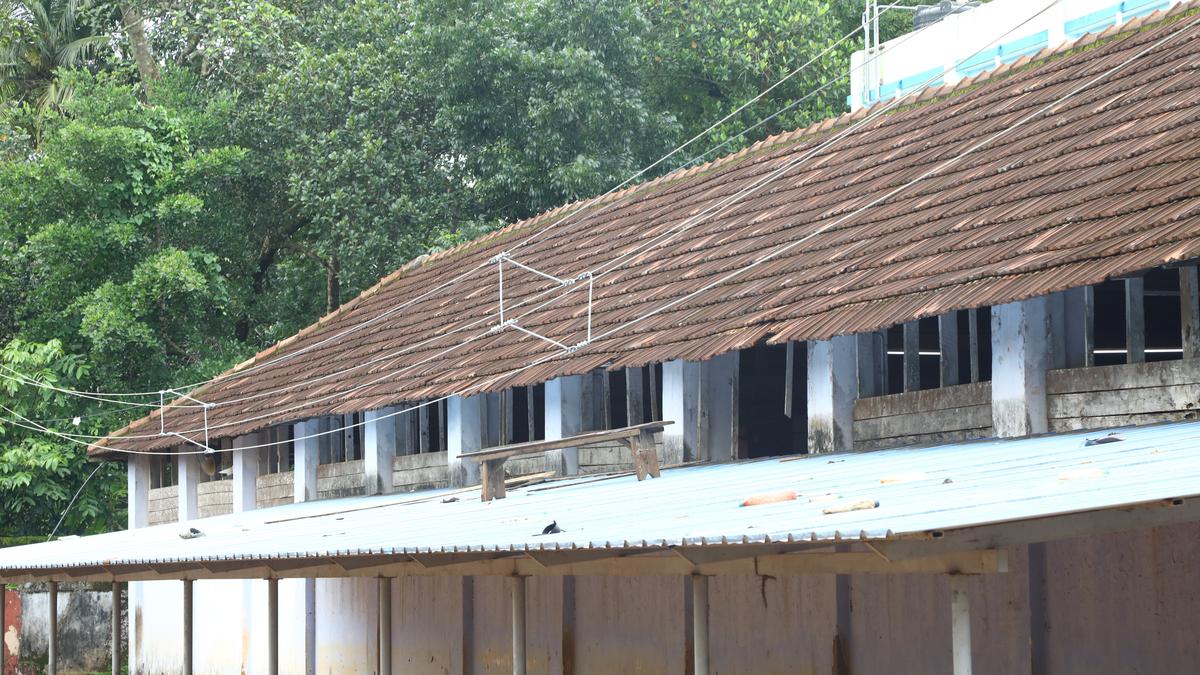
The tragic death of Midhun, a Class VIII student at Thevalakkara Boys High School in Kollam, Kerala, has brought into sharp focus the critical importance of safety and responsibility within educational institutions and public service organizations. The Kerala State Commission for Protection of Child Rights, led by Chairperson M.V. Jayakumar, has rightfully identified a clear case of negligence on the part of both the school management and the Kerala State Electricity Board (KSEB). This incident serves as a stark reminder of the devastating consequences that can arise when safety protocols are ignored, and potential hazards are overlooked. The commission's swift action and commitment to holding those responsible accountable are commendable and essential for preventing similar tragedies in the future. The core issue revolves around a low-tension power line that sagged dangerously close to the school building's awning. This hazardous situation was not adequately addressed by either the KSEB or the school authorities, despite its obvious potential for harm. Midhun's accidental contact with the power line while attempting to retrieve his footwear tragically underscores the fatal consequences of this oversight. The commission's investigation has revealed a series of failures, starting with the KSEB's apparent disregard for public safety regulations. The mandate to reposition power lines away from populated areas, particularly schools, is a fundamental aspect of ensuring community safety. The fact that the KSEB failed to assess and rectify the dangerous proximity of the power line to the school building represents a severe dereliction of duty. This negligence is compounded by the school management's failure to recognize and mitigate the risk posed by the accessible awning and the low-hanging power line. The absence of barriers or warning signs to prevent children from accessing the area highlights a critical lapse in the school's safety measures. The commission's observation that the awning was easily accessible from adjacent classrooms further emphasizes the school's failure to adequately protect its students. The phrase 'culpable negligence' used by Mr. Jayakumar accurately reflects the severity of the situation. The fact that a young life was lost before the authorities recognized the danger is deeply troubling and underscores the need for systemic changes to prevent such incidents from occurring again. The commission's decision to seek reports from various stakeholders, including the police, school management, PTA, and panchayat authorities, is a crucial step in conducting a thorough and impartial investigation. This comprehensive approach will help to uncover all relevant facts and identify the specific individuals or entities that bear responsibility for the tragedy. The commission's commitment to submitting a detailed report to the government at the earliest possible time is essential for ensuring that appropriate action is taken and that the necessary reforms are implemented. Beyond the immediate aftermath of this tragic incident, it is imperative that a broader review of safety protocols is conducted across all schools and public service organizations in Kerala. This review should focus on identifying potential hazards, implementing robust safety measures, and ensuring that all staff members are adequately trained to recognize and respond to safety risks. The KSEB must also reassess its procedures for identifying and addressing hazardous power line situations, particularly in areas where children are present. This includes conducting regular inspections, responding promptly to reports of sagging or damaged power lines, and working proactively with schools and other community organizations to ensure public safety. The role of the Parents and Teachers’ Association (PTA) is also critical. PTAs should actively engage in monitoring the safety of the school environment, raising concerns with the school management, and advocating for improvements to safety protocols. Parents should also educate their children about potential hazards and encourage them to report any safety concerns to adults. The panchayat authorities, as the local governing bodies, also have a responsibility to ensure the safety of schools and other public facilities within their jurisdiction. This includes conducting regular inspections, enforcing safety regulations, and working in partnership with schools, KSEB, and other organizations to address safety concerns. Furthermore, it is important to consider the psychological impact of this tragedy on the students, teachers, and staff at Thevalakkara Boys High School. Counseling services and support programs should be made available to help them cope with the grief and trauma associated with this event. This incident should serve as a catalyst for fostering a culture of safety and responsibility within schools and public service organizations. This includes empowering individuals to speak up about safety concerns, implementing robust reporting mechanisms, and ensuring that all safety-related issues are addressed promptly and effectively. In addition to the immediate steps taken to address the specific circumstances of this tragedy, it is essential to consider the broader systemic factors that may have contributed to the incident. This includes examining the funding levels for schools and public service organizations, the training and qualifications of staff members, and the overall regulatory framework for ensuring public safety. It is also important to consider the role of technology in preventing similar incidents from occurring in the future. This could include the use of drones to inspect power lines, the development of smart sensors to detect sagging or damaged power lines, and the implementation of mobile apps for reporting safety concerns. Ultimately, the prevention of future tragedies requires a collective effort from all stakeholders, including the government, schools, public service organizations, parents, teachers, and students. By working together to identify and address safety risks, we can create a safer environment for all children in Kerala. The Kerala government needs to mandate regular safety inspections for all schools, conducted by independent third-party organizations. These inspections should cover all aspects of school safety, including electrical systems, building structures, and emergency procedures. The reports from these inspections should be made publicly available, and schools should be required to address any identified safety hazards within a specified timeframe. Furthermore, the government should establish a dedicated fund to support schools in implementing safety improvements. This fund could be used to finance the installation of safety equipment, the repair of hazardous infrastructure, and the training of staff members. The KSEB should also invest in upgrading its infrastructure and implementing new technologies to improve the safety of its power lines. This includes replacing aging equipment, installing surge protectors, and implementing remote monitoring systems. The KSEB should also develop a public awareness campaign to educate the public about the dangers of electrical hazards and how to report safety concerns. In addition to these proactive measures, it is also important to establish clear lines of accountability for safety failures. This includes holding individuals and organizations responsible for negligence that leads to injuries or deaths. The government should strengthen the penalties for safety violations and ensure that those who are found guilty of negligence are held accountable to the fullest extent of the law. The tragic death of Midhun is a painful reminder of the importance of safety and responsibility. By learning from this incident and implementing comprehensive safety measures, we can prevent similar tragedies from occurring in the future and protect the lives of our children. It is essential to cultivate a safety culture within our society, where everyone is aware of the risks and committed to taking action to prevent harm. This requires a collective effort from the government, schools, public service organizations, parents, teachers, and students. Together, we can create a safer and more secure environment for all.