
 |
|
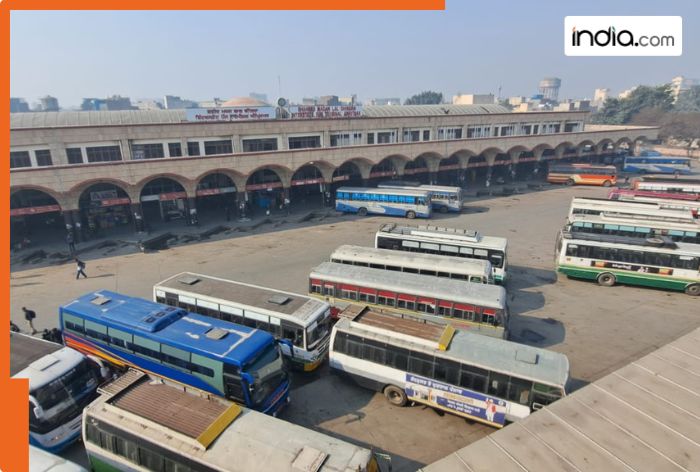
The article reports on the impact of a nationwide strike, known as Bharat Bandh, on transportation services, specifically in the state of Kerala. According to the report, a consortium of 10 central trade unions and their affiliates, representing a staggering 250 million workers, has initiated a general strike to voice their discontent against the policies of the central government. The unions argue that these policies are detrimental to the interests of workers and farmers and favor large corporations. The strike has affected various sectors, including banking, insurance, postal services, and construction, leading to the shutdown of multiple services across the nation. However, in Kerala, the state-run KSRTC buses are expected to operate as usual, as confirmed by the Kerala Transport Minister K. B. Ganesh Kumar. The minister stated that the KSRTC had not received any formal notice from trade unions regarding their participation in the strike, indicating that the corporation's employees are not expected to join the agitation. He further emphasized that the employees are generally satisfied and content, which reinforces the decision to keep the buses running. This divergence in response to the strike highlights the complexities and variations in how labor movements and political actions can manifest at different levels of governance and within different sectors of the economy. The broader implications of the Bharat Bandh extend beyond mere disruptions in transportation services. It signifies a deep-seated dissatisfaction among a significant portion of the workforce regarding government policies that they perceive as unjust and harmful to their livelihoods. The scale of the strike, involving millions of workers, underscores the potential for widespread social and economic consequences if these concerns are not addressed effectively. The situation in Kerala, where state-run buses continue to operate, presents an interesting contrast to the nationwide disruptions. It reflects the specific circumstances and priorities of the state government, as well as the level of engagement and satisfaction among the KSRTC employees. This highlights the importance of considering regional and local factors when assessing the impact and effectiveness of national-level strikes and protests. The article also mentions the potential impact on app-based cab services such as Ola, Uber, and Rapido, suggesting that these services may be affected due to protest marches and road demonstrations organized by trade unions and allied groups. However, schools, colleges, and private sector enterprises are expected to remain open, while emergency services such as hospitals, police stations, and fire departments are set to remain operational. Public transport services may experience disruptions, but cab and metro services are generally expected to run normally. Traffic disruptions are likely to occur on busy routes, causing potential inconvenience to commuters. In summary, the article provides a snapshot of the impact of the Bharat Bandh on transportation services and other sectors, with a specific focus on the situation in Kerala, where state-run buses are expected to operate despite the nationwide strike. It highlights the complexities and variations in how labor movements can affect different regions and sectors, and underscores the need for effective communication and negotiation to address the concerns of workers and ensure the smooth functioning of essential services.
The Bharat Bandh, as a form of protest, is a significant tool utilized by trade unions and other organizations in India to voice their grievances against government policies and demand changes that would benefit the working class, farmers, and other marginalized communities. This form of protest typically involves the shutting down of businesses, schools, and transportation services, aiming to disrupt normal activities and draw attention to the issues being raised. The effectiveness of a Bharat Bandh often depends on the level of participation and support from various sectors of society, as well as the government's response to the demands being made. In this particular instance, the Bharat Bandh was called by a consortium of 10 central trade unions, representing a vast number of workers across various industries. Their primary concern revolves around what they perceive as anti-worker, anti-farmer, and pro-corporate policies implemented by the central government. These policies may include labor law reforms, agricultural policies, and privatization initiatives that the unions believe are detrimental to the interests of the working class and farmers. The decision by the Kerala Transport Minister to keep the state-run KSRTC buses operational despite the nationwide strike reflects a pragmatic approach aimed at minimizing disruption to the public and ensuring that essential transportation services remain available. This decision is likely influenced by a number of factors, including the state government's assessment of the potential impact of the strike on the local economy, the level of support for the strike among KSRTC employees, and the availability of alternative transportation options. By keeping the buses running, the state government can help to mitigate the inconvenience caused by the strike and ensure that people can continue to access essential services and employment opportunities. However, this decision may also be seen as a challenge to the authority of the trade unions and their ability to mobilize support for their cause. The success of the Bharat Bandh as a form of protest depends on its ability to disrupt normal activities and exert pressure on the government to address the issues being raised. If the government is able to minimize the impact of the strike by ensuring that essential services remain operational, it may weaken the effectiveness of the protest and reduce the likelihood that the government will respond favorably to the demands being made.
The contrast between the nationwide strike and the situation in Kerala underscores the multifaceted nature of labor movements and the importance of considering regional and local contexts. While the central trade unions aim to exert pressure on the central government through a nationwide disruption, the Kerala government prioritizes the smooth functioning of essential services within the state. This divergence highlights the different priorities and considerations that come into play at different levels of governance. The minister's statement that KSRTC employees are "happy and content" and that the unions have not issued any notice suggests a relatively stable labor relations environment within the state-run transportation sector. This could be attributed to various factors, such as effective communication between the management and employees, fair wages and benefits, and a positive work environment. However, it is important to note that this may not be representative of the overall labor situation in Kerala, as other sectors may be facing different challenges and concerns. The potential impact of the Bharat Bandh on app-based cab services and other public transportation options highlights the interconnectedness of the transportation sector and the potential for disruptions to ripple through various segments of the industry. While the article suggests that cab and metro services are expected to run normally, the possibility of protest marches and road demonstrations could still lead to traffic congestion and delays, causing inconvenience to commuters. This underscores the importance of contingency planning and effective traffic management to mitigate the impact of disruptions on transportation services. In conclusion, the article provides a glimpse into the complex dynamics of labor movements, government responses, and the potential impact on transportation services. The Bharat Bandh serves as a reminder of the ongoing struggle for workers' rights and the importance of addressing their concerns to ensure social and economic stability. The situation in Kerala highlights the need for considering regional and local contexts when assessing the effectiveness of national-level protests and the importance of maintaining open communication and constructive dialogue between all stakeholders to find mutually beneficial solutions.
Source: Bharat Bandh Today: Will Kerala-state buses operate on strike day? Minister gives Big Update, says…