
 |
|
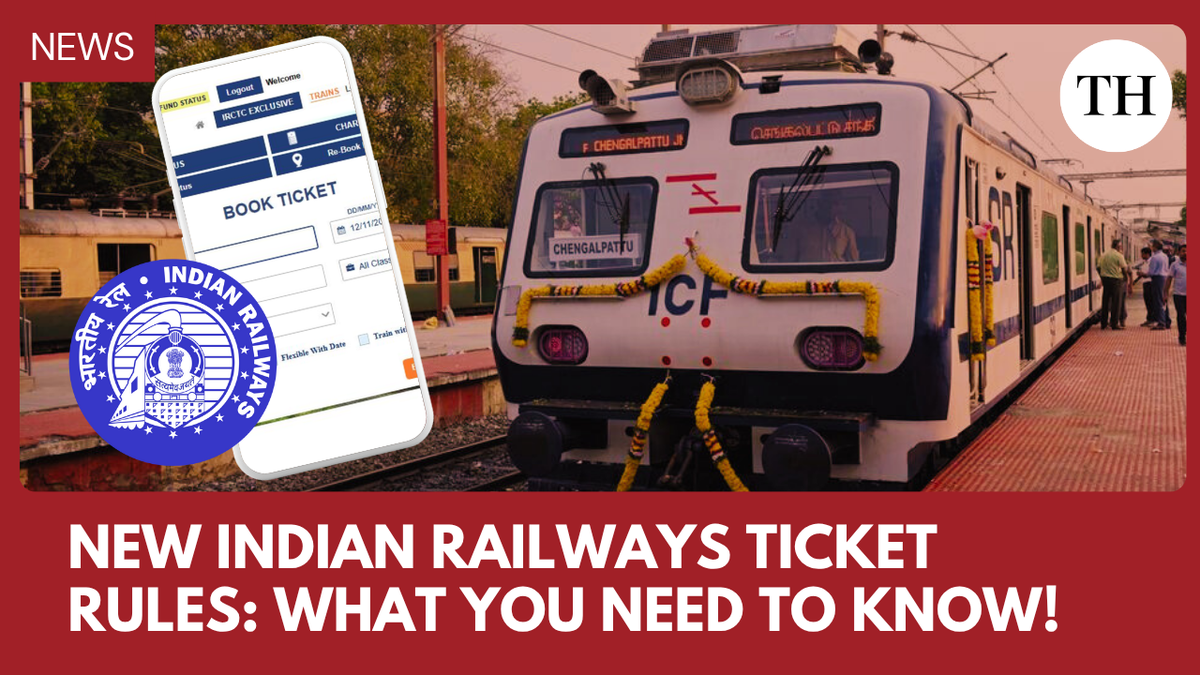
The Indian Railways, a lifeline for millions across the nation, is poised to implement significant modifications to its ticket booking system starting July 1, 2025. These changes, encompassing Aadhaar-based OTP verification for Tatkal bookings and adjustments to fares on long-distance routes, signify a conscious effort to modernize the railway network and align it with the evolving technological landscape. The primary objectives appear to be bolstering security measures and fostering a more streamlined, digitally-driven experience for passengers. The introduction of Aadhaar-based OTP verification specifically targets the pervasive issue of fraudulent Tatkal bookings, a persistent challenge that has plagued the system for years. By linking the booking process to a verified identity, the railway authorities hope to deter unauthorized individuals and touts from exploiting the Tatkal quota, thereby ensuring fair access for genuine travelers. This move towards enhanced security resonates with the increasing emphasis on digital identification and authentication across various sectors in India, reflecting a broader trend towards leveraging technology to combat fraud and enhance transparency. However, the implementation of such a system also raises pertinent questions regarding data privacy and security, necessitating robust safeguards to protect the sensitive personal information of railway passengers. The fare hikes on long-distance routes, while potentially unpopular among travelers, are likely aimed at generating revenue to offset operational costs and fund infrastructure improvements. The Indian Railways, being one of the largest railway networks in the world, requires substantial investment in modernization and expansion to meet the growing demands of a burgeoning population. These fare adjustments could be viewed as a necessary measure to ensure the long-term sustainability of the railway system and enable it to continue providing affordable and reliable transportation to millions of Indians. Nevertheless, it is crucial for the railway authorities to communicate transparently with the public regarding the rationale behind these fare increases and to demonstrate how the additional revenue will be utilized to enhance passenger amenities and improve the overall travel experience. The transition to a more digital-first approach also necessitates addressing the digital divide that exists in India, ensuring that all segments of the population have equitable access to the railway system. While online booking platforms and digital payment options are becoming increasingly prevalent, a significant portion of the population, particularly in rural areas, may still rely on traditional booking methods and face challenges in adapting to the new digital infrastructure. Therefore, it is imperative for the railway authorities to provide adequate support and assistance to these individuals, ensuring that they are not disenfranchised by the technological advancements. This could involve setting up dedicated help desks, providing multilingual support, and conducting awareness campaigns to educate the public about the new booking procedures. Furthermore, it is essential to continuously monitor and evaluate the impact of these changes on different segments of the population, making necessary adjustments to address any unintended consequences and ensure that the railway system remains accessible and affordable for all. The success of these initiatives will ultimately depend on the effectiveness of their implementation and the extent to which they are aligned with the needs and aspirations of the Indian public. The integration of technology into the railway system presents both opportunities and challenges, requiring a delicate balance between innovation and inclusivity. The Indian Railways has a long and proud history of serving the nation, and its ability to adapt to the changing times will be crucial in ensuring its continued relevance and success in the years to come. By prioritizing security, transparency, and accessibility, the railway authorities can build a modern and efficient transportation system that benefits all citizens of India.
The Aadhaar-based OTP verification system, while intended to curb fraudulent Tatkal bookings, presents several potential challenges. Firstly, it requires all passengers booking Tatkal tickets to have an Aadhaar card and a registered mobile number. This might exclude a segment of the population who do not possess these documents, particularly those from marginalized communities or remote areas. Secondly, the system relies on the seamless functioning of the Aadhaar infrastructure and the availability of reliable internet connectivity, which might not always be guaranteed, especially in rural areas. Any glitches or disruptions in the Aadhaar system could lead to delays and inconvenience for passengers attempting to book Tatkal tickets. Thirdly, there are legitimate concerns regarding the security and privacy of Aadhaar data. While the UIDAI claims to have implemented robust security measures to protect personal information, there have been instances of data breaches and privacy violations in the past. Passengers might be hesitant to link their Aadhaar details to the railway booking system due to fears of data misuse or unauthorized access. To address these concerns, the railway authorities need to ensure that the Aadhaar verification system is implemented in a secure and transparent manner, with adequate safeguards in place to protect passenger data. They should also explore alternative verification methods for passengers who do not possess Aadhaar cards, such as biometric authentication or document verification through other government-issued IDs. Furthermore, it is crucial to conduct regular audits and security assessments of the Aadhaar verification system to identify and address any vulnerabilities. The success of the Aadhaar-based OTP verification system will depend on the extent to which it can balance the need for security with the protection of passenger privacy and the accessibility of the railway system for all segments of the population. The railway authorities should also prioritize educating passengers about the benefits and security features of the Aadhaar verification system to alleviate any concerns or misconceptions. By addressing these challenges proactively, the Indian Railways can ensure that the Aadhaar-based OTP verification system serves its intended purpose of curbing fraudulent Tatkal bookings while safeguarding the rights and interests of all passengers.
The fare hikes on long-distance routes are likely to be met with mixed reactions from the public. While some passengers might understand the need for increased revenue to fund infrastructure improvements, others might view it as an additional burden, especially those from lower-income groups who rely on the railway for affordable transportation. The impact of the fare hikes will depend on several factors, including the magnitude of the increase, the availability of alternative transportation options, and the perceived value for money offered by the railway system. If the fare hikes are substantial and not accompanied by corresponding improvements in passenger amenities or service quality, they could lead to a decline in ridership and a shift towards other modes of transportation. To mitigate the potential negative impact of the fare hikes, the railway authorities should consider implementing a tiered pricing system, offering discounts or concessions to certain categories of passengers, such as students, senior citizens, and disabled individuals. They should also invest in improving the overall travel experience, providing better amenities, cleaner coaches, and more punctual services. Furthermore, it is crucial to communicate transparently with the public regarding the rationale behind the fare hikes and to demonstrate how the additional revenue will be utilized to enhance passenger amenities and improve the overall travel experience. The railway authorities should also conduct regular surveys and feedback sessions to gauge passenger satisfaction and identify areas for improvement. By demonstrating a commitment to providing value for money and continuously enhancing the passenger experience, the Indian Railways can minimize the negative impact of the fare hikes and maintain its position as a preferred mode of transportation for millions of Indians. The long-term success of the fare adjustment strategy will depend on the extent to which it is perceived as fair, transparent, and aligned with the needs and aspirations of the Indian public. The railway authorities should also explore alternative revenue generation strategies, such as increasing advertising revenue or diversifying into new business ventures, to reduce their reliance on fare hikes as a primary source of income.
The move towards a more digital-first approach in the Indian Railways presents both opportunities and challenges. On the one hand, it can lead to greater efficiency, convenience, and transparency in the booking process, reducing reliance on manual processes and minimizing the potential for fraud. On the other hand, it can exacerbate the digital divide, excluding those who lack access to technology or the skills to use it effectively. To ensure that the transition to a digital-first approach is inclusive and equitable, the railway authorities need to address the digital divide by providing adequate support and assistance to those who might struggle with the new technology. This could involve setting up dedicated help desks, providing multilingual support, and conducting awareness campaigns to educate the public about the new booking procedures. The railway authorities should also explore alternative booking methods for those who do not have access to the internet or smartphones, such as allowing bookings through authorized agents or kiosks. Furthermore, it is crucial to ensure that the digital infrastructure is reliable and accessible, with adequate bandwidth and connectivity in all areas, particularly in rural and remote regions. The success of the digital-first approach will depend on the extent to which it can bridge the digital divide and ensure that all segments of the population have equitable access to the railway system. The railway authorities should also prioritize cybersecurity and data privacy, implementing robust measures to protect passenger data from unauthorized access or misuse. By addressing these challenges proactively, the Indian Railways can leverage the power of technology to create a more efficient, convenient, and inclusive transportation system for all citizens of India. The integration of technology into the railway system is a continuous process, requiring ongoing monitoring, evaluation, and adaptation to meet the evolving needs and expectations of the public. The railway authorities should remain committed to innovation and continuous improvement, embracing new technologies and best practices to enhance the passenger experience and ensure the long-term sustainability of the railway system.
In conclusion, the upcoming changes to the Indian Railways ticket booking system, including Aadhaar-based OTP verification for Tatkal bookings and fare hikes on long-distance routes, represent a significant step towards modernization and digitalization. While these changes have the potential to enhance security, improve efficiency, and generate revenue, they also raise concerns about data privacy, accessibility, and the digital divide. To ensure the successful implementation of these changes, the railway authorities need to address these concerns proactively, providing adequate support and assistance to those who might be negatively impacted. They should also prioritize transparency, communication, and continuous improvement, ensuring that the railway system remains accessible, affordable, and user-friendly for all segments of the population. The Indian Railways plays a vital role in the transportation of people and goods across the country, and its ability to adapt to the changing times will be crucial in ensuring its continued relevance and success in the years to come. By balancing innovation with inclusivity and prioritizing the needs of its passengers, the railway authorities can build a modern and efficient transportation system that benefits all citizens of India. The journey towards a more digital and sustainable railway system is a continuous one, requiring ongoing commitment, collaboration, and a focus on delivering value for money to the travelling public. The Indian Railways has a proud history of serving the nation, and its ability to navigate the challenges and opportunities that lie ahead will determine its future success. By embracing technology, prioritizing passenger needs, and fostering a culture of innovation, the Indian Railways can continue to be a source of pride and a vital lifeline for the nation.
Source: Watch | Big changes in Indian train ticket booking from today | Explained