
 |
|
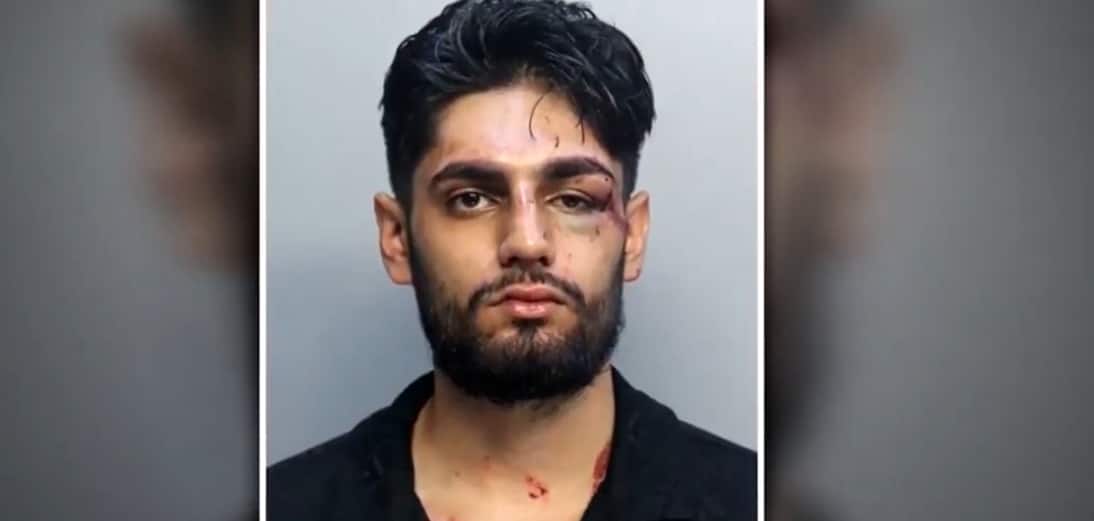
The incident involving Ishaan Sharma, a 21-year-old man of Indian origin, on a Frontier Airlines flight from Philadelphia to Miami, raises several important legal and social questions. The core issue revolves around the definition of assault and battery, and the circumstances that justify self-defense. In this case, Sharma is accused of initiating an unprovoked attack on fellow passenger Keanu Evans, which led to his arrest and charges for battery. The legal proceedings will hinge on determining whether Sharma's actions constitute a clear violation of battery laws, which generally involve intentional and harmful physical contact without consent. Evans's account of the incident, supported by witness testimonies and potentially video evidence, paints a picture of Sharma as the aggressor. According to Evans, Sharma exhibited erratic behavior, made death threats, and physically assaulted him by grabbing his throat. This sequence of events strongly suggests that Sharma’s actions meet the criteria for battery, as they involved intentional physical contact that caused harm to Evans. The defense, presented by Sharma's attorney, attempts to portray the incident as a misunderstanding rooted in religious practice. The claim that Sharma was meditating and that Evans reacted negatively to this practice is a crucial element of their defense strategy. If the defense can successfully demonstrate that Evans's actions provoked Sharma or created a reasonable fear of imminent harm, it could potentially mitigate Sharma's culpability. However, the judge appeared skeptical of this explanation, indicating a likely uphill battle for the defense team. The setting of a $500 bond and the issuance of a stay-away order further suggest that the court views the charges against Sharma with some degree of seriousness. Beyond the immediate legal implications, the incident also highlights broader issues related to passenger behavior on airplanes and the responsibilities of airlines in maintaining order and safety. Airlines have a duty to ensure the well-being of their passengers and to prevent disruptive or violent behavior that could jeopardize the safety of the flight. In this case, the flight crew's response to the incident, as captured in the viral video, raises questions about the effectiveness of their intervention. While they did instruct Sharma to sit down, it is unclear whether they took adequate measures to de-escalate the situation or to protect Evans from further harm. The incident underscores the need for clear protocols and training for airline staff to handle potentially volatile situations and to prevent them from escalating into physical altercations. Furthermore, the incident touches upon issues of cultural sensitivity and the potential for misunderstandings arising from differing cultural practices. While Sharma's attorney argues that his meditation practice was the source of the conflict, it is important to avoid generalizations or stereotypes about specific religious or cultural groups. The focus should remain on the individual's actions and whether they violated the law, rather than attributing blame to a particular cultural or religious background. The media coverage of the incident also plays a significant role in shaping public perception and understanding. The use of terms like "Indian-origin man" and the emphasis on Sharma's ethnicity can inadvertently contribute to negative stereotypes and prejudice. It is crucial for media outlets to report on such incidents responsibly and to avoid sensationalizing or ethnicizing the story. The focus should be on the facts of the case and the legal proceedings, rather than on the individual's background or origin. The long-term consequences of this incident for both Sharma and Evans are significant. Sharma faces potential criminal charges, which could result in fines, imprisonment, and a criminal record. Evans, on the other hand, may experience lasting psychological trauma from the assault. The incident serves as a reminder of the importance of maintaining civility and respect in public spaces, and of the potential consequences of engaging in violent behavior. The legal proceedings will likely involve a thorough examination of the evidence, including witness testimonies, video footage, and expert opinions. The court will need to determine whether Sharma's actions constitute a clear violation of battery laws and whether he acted in self-defense. The outcome of the case will have implications for both Sharma and Evans, as well as for the broader understanding of passenger behavior on airplanes and the responsibilities of airlines in maintaining order and safety.
Further expanding on the legal aspects, the burden of proof in a battery case typically lies with the prosecution. They must demonstrate beyond a reasonable doubt that Sharma intentionally and unlawfully touched Evans in a harmful or offensive manner. This requires presenting evidence that establishes Sharma's intent, the nature of the physical contact, and the resulting harm suffered by Evans. The defense, however, can raise affirmative defenses, such as self-defense, to negate or mitigate Sharma's culpability. Self-defense is a legal justification for using force to protect oneself from imminent harm. To successfully claim self-defense, Sharma must demonstrate that he reasonably believed that he was in imminent danger of bodily harm and that the force he used was necessary to repel the perceived threat. This is where the discrepancy between the accounts of Sharma and Evans becomes critical. Evans claims that Sharma initiated the attack without provocation, while Sharma's attorney suggests that Evans reacted negatively to his meditation practice, potentially leading to a perceived threat. The credibility of both witnesses will be heavily scrutinized during the trial, and the court will need to weigh the evidence carefully to determine whether Sharma's actions were justified. The availability of video footage from the flight could be a crucial piece of evidence in resolving this conflict. If the video clearly shows Sharma initiating the attack, it would significantly undermine his self-defense claim. Conversely, if the video shows Evans acting aggressively or threateningly towards Sharma before the physical altercation, it could support Sharma's defense. Even if the court finds that Sharma did not act in self-defense, the defense may still argue for a reduced sentence or alternative sentencing options based on mitigating factors, such as his age, lack of prior criminal record, and mental state at the time of the incident. The court may also consider Sharma's remorse for his actions and his willingness to seek counseling or treatment. The incident also raises questions about the potential civil liability of Sharma. Even if he is acquitted of criminal charges, Evans could still file a civil lawsuit against him for damages resulting from the assault. In a civil case, the burden of proof is lower than in a criminal case, requiring only a preponderance of the evidence, meaning that it is more likely than not that Sharma committed the assault. If Evans prevails in a civil lawsuit, he could be awarded monetary damages to compensate him for his medical expenses, lost wages, pain and suffering, and emotional distress. The Frontier Airlines' response to the incident is also a relevant factor. The airline has a responsibility to ensure the safety and well-being of its passengers, and its failure to do so could potentially expose it to legal liability. If it is determined that the flight crew was negligent in its response to the incident, the airline could be held liable for Evans's injuries. This could include failing to properly screen passengers for signs of aggression or mental instability, failing to de-escalate the situation effectively, or failing to provide adequate medical assistance to Evans after the assault. The incident also underscores the importance of mental health awareness and the potential role of mental illness in violent behavior. While there is no indication that Sharma suffers from a mental illness, it is possible that his erratic behavior and death threats were indicative of an underlying mental health condition. If this is the case, it raises questions about the availability of mental health services for airline passengers and the need for better screening and intervention strategies. The incident serves as a reminder that violent behavior can have a wide range of causes and that addressing the root causes of violence requires a multifaceted approach that includes promoting mental health awareness, improving access to mental health services, and fostering a culture of respect and understanding.
In analyzing the broader societal context of this incident, the intersectionality of race, religion, and cultural background becomes apparent. The fact that Sharma is of Indian origin and that his attorney cited his meditation practice as a contributing factor to the altercation invites scrutiny of potential biases and prejudices. It is crucial to avoid generalizations or stereotypes about individuals based on their ethnicity or religious beliefs. The focus should remain on the specific actions of Sharma and whether they violated the law, rather than attributing blame to a particular cultural or religious group. However, it is also important to acknowledge that unconscious biases can influence how people perceive and interpret events, and these biases can have a significant impact on the legal process. For example, if jurors or the judge harbor negative stereotypes about Indian culture or meditation practices, it could potentially affect their perception of Sharma and the credibility of his defense. The media's portrayal of the incident also plays a crucial role in shaping public perception. The use of terms like "Indian-origin man" and the emphasis on Sharma's ethnicity can inadvertently contribute to negative stereotypes and prejudice. It is essential for media outlets to report on such incidents responsibly and to avoid sensationalizing or ethnicizing the story. The focus should be on the facts of the case and the legal proceedings, rather than on the individual's background or origin. The incident also raises questions about the prevalence of air rage and the factors that contribute to disruptive behavior on airplanes. Air rage is a complex phenomenon that can be caused by a variety of factors, including stress, anxiety, alcohol consumption, and pre-existing mental health conditions. The confined space of an airplane, the lack of personal space, and the frustration of dealing with delays and cancellations can all contribute to heightened levels of stress and anxiety. In some cases, air rage can be a manifestation of underlying mental health issues, such as anxiety disorders, panic attacks, or substance abuse. The incident involving Sharma highlights the need for airlines to take proactive measures to prevent and manage air rage incidents. This could include providing better training for flight attendants to de-escalate potentially volatile situations, implementing stricter policies regarding alcohol consumption on board, and offering resources for passengers struggling with anxiety or stress. Airlines could also consider implementing stricter penalties for disruptive behavior, such as banning passengers from future flights or prosecuting them for criminal offenses. The long-term consequences of the incident for both Sharma and Evans extend beyond the immediate legal and financial implications. Both individuals may experience lasting psychological trauma from the incident. Sharma may suffer from feelings of guilt, shame, and remorse, as well as anxiety and depression. Evans may experience post-traumatic stress disorder (PTSD), which can manifest as flashbacks, nightmares, and heightened anxiety. The incident serves as a reminder of the importance of providing support and resources for individuals who have been involved in traumatic events. This could include access to mental health counseling, support groups, and legal assistance. The ultimate resolution of the case will likely depend on a variety of factors, including the credibility of the witnesses, the availability of video evidence, and the skill of the attorneys. However, the incident serves as a reminder of the importance of maintaining civility and respect in public spaces, and of the potential consequences of engaging in violent behavior. It also underscores the need for greater awareness of mental health issues and the potential role of mental illness in violent behavior.
Source: Indian-origin man chokes passenger mid-air in violent brawl, arrested at Miami Airport