
 |
|
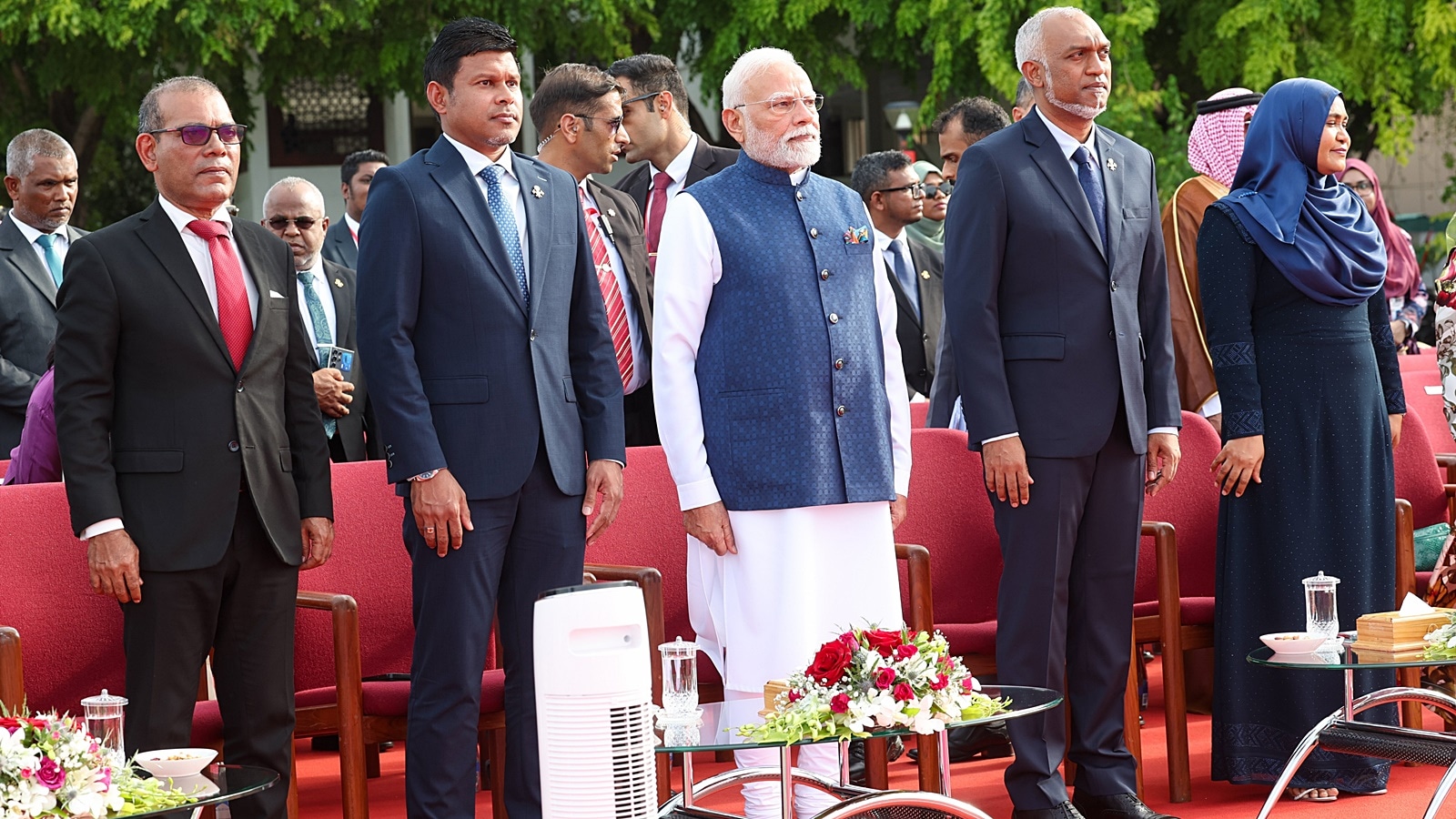
Prime Minister Narendra Modi's recent state visit to the Maldives signifies a strategic recalibration in India's approach to its island neighbor. This visit, occurring against the backdrop of President Mohamed Muizzu's initial inclination towards China and a subsequent moderation of his 'India Out' policy, underscores India's persistent influence and its commitment to a long-term engagement. The core of this strategy lies in bolstering economic and financial connectivity, particularly through the promotion of the Indian Rupee as a medium of exchange, alongside sustained political dialogue across the Maldivian political spectrum. This multi-pronged approach is designed to create new avenues for leverage and solidify India's position as a key partner in the Maldives' development. The visit was a carefully orchestrated display of diplomatic strength, sending a clear message that India remains a steadfast player in the region, regardless of short-term political fluctuations. It also highlighted the practical benefits of cooperation with India, especially given the Maldives' current economic vulnerabilities and the limitations of China's support. The symbolism of the visit was powerful, but it was also backed by concrete commitments and agreements designed to address the immediate challenges facing the Maldives and to pave the way for a more sustainable and mutually beneficial relationship in the future. The focus on economic and financial integration is not merely about providing immediate relief; it is about building a resilient and interconnected economy that benefits both nations. The emphasis on cross-party engagement reflects a recognition that long-term stability in the relationship requires a broad consensus within the Maldives and a commitment from all political factions to prioritize cooperation with India. This visit was, therefore, not just a fleeting moment of diplomacy, but a carefully calculated step in a long-term strategic plan.
The tangible outcomes of PM Modi's visit were substantial, encompassing a range of projects and agreements designed to enhance infrastructure, strengthen defense capabilities, and foster economic integration. The inauguration of India-funded projects, including roads, drainage systems in Addu city, and the Ministry of Defence building, along with the handover of vehicles, health cubes, and housing flats, demonstrates India's commitment to supporting the Maldives' development needs. The signing of MoUs in areas such as pharmacopoeia, meteorology, fisheries, and digitalization further expands the scope of cooperation, creating opportunities for collaboration across various sectors. However, the most significant aspect of the visit was the signing of four agreements focused on financial and economic connectivity. These agreements are particularly crucial given the Maldives' precarious financial situation, characterized by significant debt distress and dwindling foreign reserves. The Maldives faces a daunting challenge in managing its debt obligations, with a substantial portion denominated in US Dollars. The government's limited foreign reserves make it difficult to service these debts while also maintaining essential imports. Maturing debts, including bonds and loans from China, have further exacerbated the situation. While China's loans have decreased, India has emerged as the largest bilateral creditor, particularly with loans, currency swaps, and credit lines extended under previous administrations now coming due. The commitment of substantial sums in loans yet to be disbursed further underscores India's critical role in the Maldives' economic future. These measures are aimed at providing immediate relief and fostering long-term economic stability. The UPI integration and the promotion of local currency transactions are particularly important for reducing the Maldives' dependence on the US Dollar and easing the pressure on its foreign reserves. These initiatives represent a practical and effective approach to addressing the Maldives' economic challenges and strengthening its economic ties with India.
The signing of an amendatory agreement to replace the previous Line of Credit (LOC) with a Rupee-denominated LOC represents a significant step towards alleviating the Maldives' debt burden and easing its reliance on US Dollar reserves. This new LOC, worth Rs 4,850 crore, is projected to reduce the Maldives' debt servicing obligations substantially, freeing up resources for other critical needs. The implementation of the Unified Payment Interface (UPI) and the RuPay card, coupled with the finalization of the local currency settlement system, will further facilitate direct transactions between the two countries in Rupees and Rufiyaa, reducing transaction costs and promoting trade. The initiation of negotiations for an India-Maldives Free Trade Agreement (FTA) is another important development, with the potential to further boost trade and investment flows. The FTA is expected to reduce trade barriers, making Indian commodities more affordable in the Maldives and providing a competitive edge to Indian exporters. Given that India is already one of the Maldives' largest trade partners, the FTA is likely to have a significant positive impact on bilateral trade. The ability to conduct trade in local currencies will further enhance the benefits of the FTA, reducing the need for US Dollar transactions and easing pressure on the Maldivian economy. The FTA is also likely to be complemented by a bilateral investment treaty, creating new opportunities for Indian investments in the Maldives and further strengthening economic ties between the two countries. These measures are not just about providing short-term relief; they are about building a sustainable and mutually beneficial economic partnership that will support the Maldives' long-term development and strengthen its ties with India.
Beyond the economic initiatives, India has also made a conscious effort to engage with a broad spectrum of political actors in the Maldives, recognizing the importance of building a non-partisan relationship that is resilient to domestic political changes. PM Modi's meetings with prominent figures from the ruling party, including those who were previously associated with the 'India Out' campaign, demonstrate a willingness to move beyond past differences and build bridges with all factions. These engagements also included meetings with the President, Vice President, and Speaker of the parliament, as well as representatives from various opposition parties. The focus on engaging with all political actors underscores India's commitment to building a long-term relationship based on mutual respect and understanding. This approach recognizes that stability in the relationship requires a broad consensus within the Maldives and a willingness from all political factions to prioritize cooperation with India. By engaging with all parties, India is seeking to ensure that its relationship with the Maldives is not dependent on the political fortunes of any particular group. This is a crucial step in building a resilient and sustainable partnership that can withstand the challenges of domestic politics. India's willingness to engage with those who have previously expressed reservations about its role in the Maldives demonstrates a commitment to building trust and fostering a more inclusive relationship.
In conclusion, PM Modi's visit to the Maldives reflects a strategic shift in India's approach, characterized by a willingness to move beyond past challenges and focus on building a long-term, mutually beneficial relationship. The emphasis on economic and financial connectivity, coupled with sustained political engagement across party lines, represents a comprehensive strategy designed to strengthen India's position as a key partner in the Maldives' development. While challenges remain, including the Maldives' economic vulnerabilities and its desire to diversify its partnerships, India's commitment to supporting its neighbor's stability and prosperity is clear. India recognizes that the Maldives' economic stability is in its own interest, and it is prepared to provide the necessary assistance to help the country overcome its current challenges. However, India must also remain vigilant and proactive in addressing any potential challenges that may arise, particularly in relation to China's growing influence in the region. The relationship between India and the Maldives is complex and dynamic, but it is also of vital importance to both countries. By pursuing a strategy of engagement, cooperation, and mutual respect, India can ensure that its relationship with the Maldives remains strong and sustainable for years to come. The future of India-Maldives relations will depend on the ability of both countries to work together to address common challenges and to build a partnership based on shared interests and values. India's commitment to this partnership is clear, and it is hoped that the Maldives will reciprocate with a similar commitment to building a strong and enduring relationship.
Source: PM Modi’s engagement with the Maldives shows India is playing the long game