
 |
|
The recent Coldplay concert 'kiss cam' incident has spiraled into a social media frenzy, prompting lead singer Chris Martin to address the situation with a touch of humor and a word of caution. The incident, which occurred during a performance at Gillette Stadium in Boston on July 16, involved Andy Byron, the CEO of AI company Astronomer, and Kristin Cabot, the company's Chief People Officer. The pair were captured on the venue's 'kiss cam' sharing an embrace, a seemingly innocent moment that quickly took a turn when the camera focused on them. Their reaction, a mix of surprise and apparent discomfort as they attempted to shield their faces, drew laughter from the audience and a playful quip from Martin, who jokingly suggested they were 'having an affair.' This seemingly lighthearted moment ignited a firestorm on social media, transforming into a viral sensation that ultimately led to significant professional repercussions for Byron.
The aftermath of the 'kiss cam' incident highlights the increasingly pervasive and often unforgiving nature of social media. The footage, which quickly circulated across platforms like X (formerly Twitter), sparked a wave of memes, comments, and discussions. While some found the situation humorous, others viewed it as a breach of privacy and an invasion of personal space. The intense scrutiny and public shaming that followed placed immense pressure on Byron, ultimately leading to his resignation from Astronomer. This incident serves as a stark reminder of the potential consequences of seemingly harmless moments being captured and shared online, emphasizing the need for greater awareness and sensitivity in the digital age. It also raises questions about the ethical considerations of using 'kiss cams' and similar entertainment devices in public spaces, particularly given the potential for unforeseen and damaging outcomes.
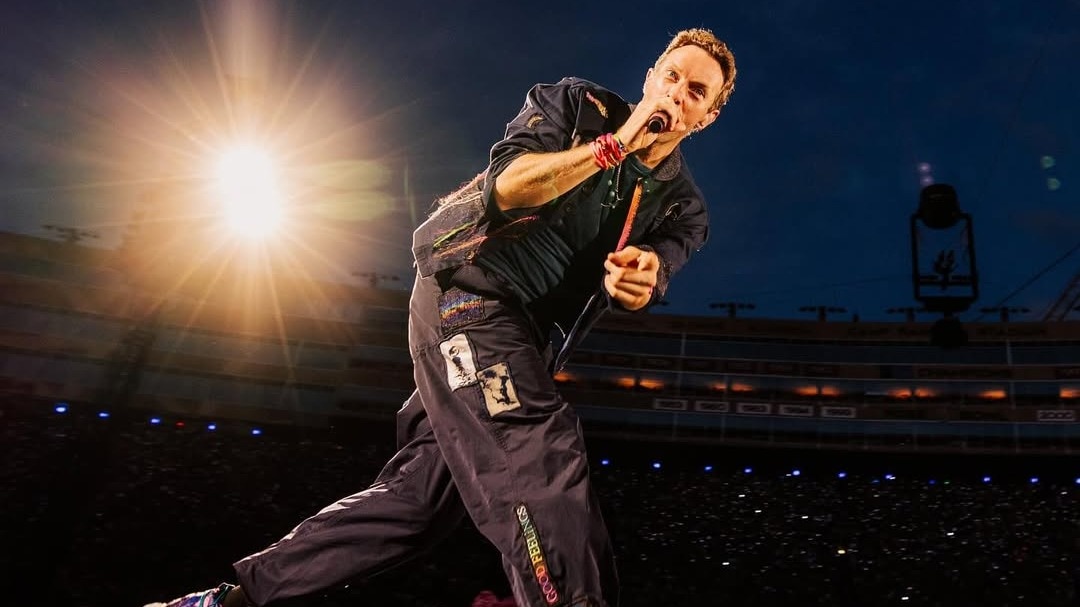
In response to the viral incident, Chris Martin addressed the crowd during a subsequent Coldplay performance at Camp Randall Stadium in Madison. His remarks were delivered with a playful tone, acknowledging the attention the 'kiss cam' incident had garnered. Martin advised attendees to ensure they were camera-ready, stating, 'We'd like to say hello to some of you in the crowd. How we're going to do that is we're going to use our cameras and put some of you on the big screen.' He then added, with a laugh and a hung head, 'So please, if you haven't done your makeup, do your makeup now.' These comments were met with amusement and laughter from the audience, suggesting that Martin's intention was to lighten the mood and diffuse any lingering tension surrounding the incident. However, his words also served as a subtle warning to fans attending future concerts, reminding them that they might unexpectedly find themselves featured on the big screen.
The situation surrounding the 'kiss cam' incident and its subsequent fallout raises important ethical and social considerations. The use of 'kiss cams' and similar entertainment devices in public spaces is often presented as a lighthearted and innocuous form of entertainment. However, these devices can also be seen as intrusive and exploitative, particularly when individuals are caught off guard or placed in uncomfortable situations. In the case of Byron and Cabot, their initial reaction suggests that they were not expecting to be featured on the big screen, and their subsequent attempt to hide their faces indicates a degree of discomfort with being the center of attention. The decision to broadcast their image to a large audience without their explicit consent raises questions about privacy rights and the potential for unintended consequences.
Moreover, the public reaction to the incident highlights the tendency for social media users to engage in online shaming and judgment. While it is understandable that some individuals may have found the situation humorous, the level of scrutiny and criticism directed at Byron was disproportionate to the perceived offense. The viral spread of the footage and the subsequent discussions on social media amplified the situation, transforming a private moment into a public spectacle. This underscores the need for greater responsibility and empathy in online interactions, particularly when dealing with sensitive or personal matters. The ease with which information can be shared and disseminated online means that individuals must be mindful of the potential impact of their words and actions, both on themselves and on others.
The resignation of Andy Byron from Astronomer further illustrates the serious consequences that can arise from seemingly minor incidents being amplified by social media. While the details of Byron's personal life and the nature of his relationship with Cabot are not fully public, the intense scrutiny and pressure he faced ultimately made it untenable for him to continue in his role as CEO. This incident serves as a cautionary tale for individuals in positions of leadership, highlighting the importance of maintaining a high level of ethical conduct both on and off the job. It also underscores the need for companies to have clear policies and procedures in place for addressing situations that may arise as a result of employee behavior on social media.
Furthermore, the Coldplay concert 'kiss cam' incident raises questions about the responsibility of event organizers and performers to ensure the privacy and safety of their attendees. While 'kiss cams' may be intended as a harmless form of entertainment, they can also create situations that are uncomfortable or even harmful for individuals who are featured on the big screen. Event organizers should consider implementing measures to mitigate these risks, such as obtaining explicit consent from individuals before broadcasting their image, providing clear warnings about the use of 'kiss cams,' and offering support to individuals who may be affected by their participation. Performers also have a role to play in promoting a positive and respectful environment for their audiences, and should be mindful of the potential impact of their words and actions on those who are attending their shows.
In conclusion, the Coldplay concert 'kiss cam' incident has evolved into a complex and multifaceted situation that touches on issues of privacy, social media responsibility, ethical conduct, and the role of entertainment in public spaces. The incident serves as a reminder of the power of social media to amplify seemingly minor events, transforming them into viral sensations with potentially serious consequences. It also highlights the need for greater awareness and sensitivity in online interactions, as well as the importance of promoting a culture of respect and empathy in both the digital and physical worlds. As Chris Martin's playful warning suggests, fans attending future concerts might find themselves unexpectedly featured on the big screen, underscoring the need for individuals to be mindful of their behavior in public spaces and to be prepared for the possibility of their actions being captured and shared online. The incident also prompts a broader reflection on the ethical considerations of using 'kiss cams' and similar entertainment devices, and the responsibility of event organizers and performers to ensure the privacy and safety of their attendees. Ultimately, the Coldplay concert 'kiss cam' incident serves as a valuable case study for understanding the complexities of navigating the digital age and the importance of promoting a more responsible and ethical online environment.
The incident further brings to light the blurred lines between public and private life in the age of constant connectivity. With the proliferation of smartphones and social media platforms, individuals are increasingly vulnerable to having their actions recorded and shared without their knowledge or consent. This constant surveillance can create a sense of unease and anxiety, particularly in public spaces where people expect a certain degree of privacy. The 'kiss cam' incident serves as a stark reminder that even seemingly innocuous moments can be captured and disseminated widely, potentially leading to unintended consequences. It underscores the need for individuals to be more aware of their surroundings and to exercise caution when engaging in activities that could be construed as controversial or embarrassing. It also raises questions about the ethical responsibilities of individuals who capture and share such footage, and the potential for their actions to infringe upon the privacy and well-being of others.
The incident also highlights the power of humor to both diffuse and exacerbate sensitive situations. Chris Martin's initial quip about Byron and Cabot 'having an affair' was intended as a lighthearted joke, but it ultimately contributed to the viral spread of the footage and the subsequent backlash. While humor can be a valuable tool for connecting with audiences and breaking down barriers, it can also be misinterpreted or used to perpetuate harmful stereotypes or assumptions. In this case, Martin's joke, while likely unintentional, may have reinforced the perception that Byron and Cabot were engaged in inappropriate behavior, thereby fueling the controversy. The incident underscores the need for individuals in positions of influence to be mindful of the potential impact of their words and to exercise caution when using humor in public settings.
Source: Coldplay's Chris Martin issues cheeky warning following viral kiss cam incident