
 |
|
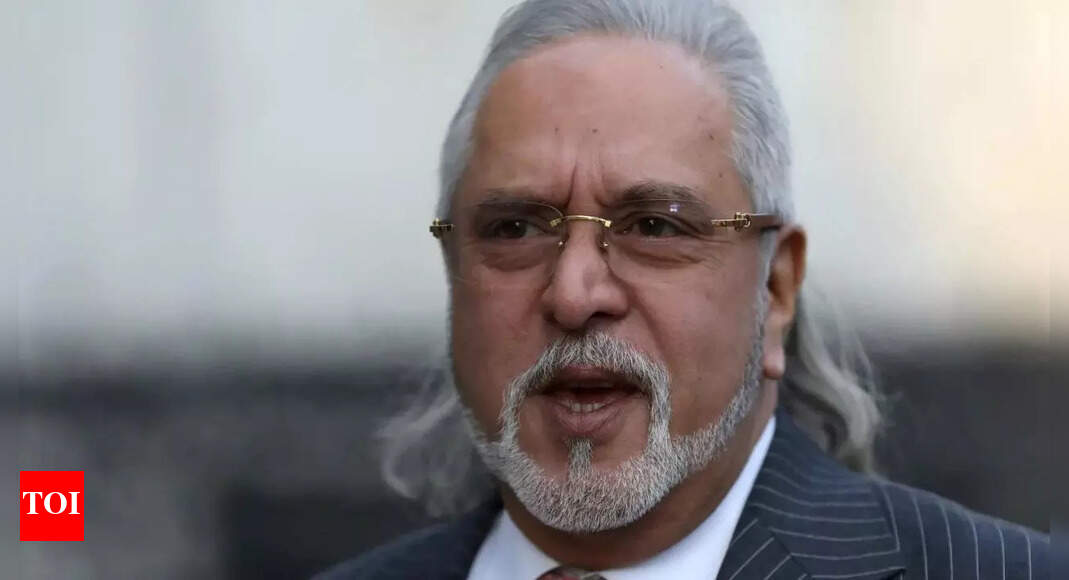
The article revolves around Vijay Mallya's recent claims regarding his departure from India in 2016 and his interactions with the late Finance Minister Arun Jaitley. Mallya, a fugitive liquor tycoon wanted in India for alleged financial irregularities, stated in a podcast interview that he informed Jaitley about his impending trip to London before leaving the country. This revelation carries significant implications, touching upon issues of political accountability, legal proceedings, and Mallya's potential return to India. The core of the controversy lies in Mallya's assertion that he made Jaitley aware of his travel plans at a time when a CBI lookout circular (LOC) was supposedly in effect. Mallya claims he was unaware of the LOC, or its downgrade from detaining him to merely informing immigration authorities. This raises questions about the level of communication and potential complicity within the government regarding Mallya's movements. The subsequent denial by Jaitley and its eventual retraction, prompted by a Congress MP's observation, further complicate the narrative and fuel speculation about the extent of knowledge and involvement of government officials in Mallya's escape. Mallya's account, if true, suggests a possible breach of protocol and a potential failure to prevent a high-profile individual facing serious charges from fleeing the country. This casts a shadow on the integrity of the investigation and raises concerns about the effectiveness of the mechanisms in place to prevent such occurrences. The controversy surrounding Mallya's departure also highlights the challenges in extraditing individuals accused of financial crimes and bringing them to justice. The legal battles, the complexities of international law, and the concerns about detention conditions in India all contribute to the protracted nature of the process. Mallya's willingness to consider returning to India, contingent upon assurances of a fair trial and dignified treatment, underscores the importance of ensuring due process and upholding human rights standards in extradition cases. The Sanjay Bhandari case, cited by Mallya, serves as a reminder of the potential obstacles in extradition proceedings due to concerns about the conditions in Indian prisons. The article paints a picture of a complex and contentious legal battle, with Mallya attempting to navigate the legal systems in both India and the UK to avoid extradition. His claims regarding Jaitley's knowledge and the CBI's actions are likely to be scrutinized further, potentially leading to further investigations and political ramifications. The article further demonstrates the power of media in shaping public opinion and holding individuals accountable. Mallya's frustration with the media portrayal of him as someone deserving of harsh punishment in India highlights the influence of public perception on legal proceedings. The media's role in questioning government officials and uncovering discrepancies in their statements is also evident in the reporting on Jaitley's initial denial and subsequent retraction. The long-running saga of Vijay Mallya continues to be a source of fascination and frustration in India, highlighting the challenges of prosecuting high-profile financial offenders and the complexities of international extradition law. The recent podcast interview and the revelations contained within it add another layer to the already intricate narrative, raising new questions and prompting further scrutiny of the events surrounding Mallya's departure from India.
Mallya's defense hinges on several key points. First, he argues that he informed the Finance Minister, suggesting a level of transparency that would be inconsistent with someone actively trying to evade justice. Second, he points to the downgraded LOC, implying that the authorities did not perceive him as a flight risk. Third, he expresses concerns about the fairness of the trial he would face in India and the conditions of his potential detention, citing the Sanjay Bhandari case as precedent. These arguments, while self-serving, are designed to undermine the Indian government's case for extradition and to portray Mallya as a victim of political persecution. However, it's important to acknowledge the counter-arguments. The Indian government maintains that Mallya deliberately defrauded banks and misappropriated funds, causing significant financial losses. They argue that his departure from India was a calculated move to avoid prosecution and that he has consistently sought to delay and obstruct the extradition process. The fact that Mallya has lost his extradition battle in the UK courts suggests that the judges there found sufficient evidence to support the Indian government's claims. Moreover, Mallya's reluctance to return to India without assurances raises questions about his confidence in his own innocence. If he truly believed he was innocent and had nothing to hide, one might expect him to be eager to return and clear his name. The discrepancy between Mallya's narrative and the Indian government's perspective highlights the challenges in assessing the truth in such complex cases. It's crucial to consider the evidence presented by both sides and to avoid drawing premature conclusions based solely on one-sided accounts. The case also underscores the importance of international cooperation in combating financial crime. Extradition treaties and mutual legal assistance agreements are essential tools for bringing fugitives to justice and recovering stolen assets. However, these mechanisms are not always effective, and the process can be lengthy and complex. The Mallya case serves as a cautionary tale about the need for stronger international cooperation and more robust legal frameworks to address financial crime and prevent individuals from using jurisdictional loopholes to evade justice. Furthermore, the scandal surrounding Mallya serves to erode public trust in both political and financial systems. The perceived inaction or possible collusion of government officials undermines the faith of the public and allows for increased skepticism towards institutions that should be pillars of fairness and integrity. This underscores the need for greater transparency and accountability within the government and financial sector, to restore public trust and ensure fairness.
The impact of the Mallya case extends beyond the specific allegations of financial fraud and touches upon broader issues of governance, accountability, and public trust. The controversy has fueled public anger and frustration, particularly among those who believe that wealthy and influential individuals are able to evade justice due to their connections and resources. The perception of preferential treatment for the wealthy can erode public confidence in the legal system and create a sense of inequality and injustice. In this light, the Mallya case serves as a symbol of the challenges in holding powerful individuals accountable and ensuring that the rule of law applies equally to all. The case also raises questions about the effectiveness of regulatory oversight and the role of banks in preventing financial irregularities. The fact that Mallya was able to secure loans from multiple banks despite his deteriorating financial situation suggests that there were weaknesses in the lending practices and risk assessment procedures. This highlights the need for stronger regulatory oversight and more stringent due diligence by banks to prevent similar incidents from occurring in the future. The Mallya case also has implications for India's international reputation. The country's ability to effectively prosecute high-profile financial offenders and recover stolen assets is crucial for attracting foreign investment and maintaining its credibility in the global financial arena. The perception that India is a safe haven for financial criminals can deter foreign investors and damage the country's reputation as a responsible and reliable economic partner. In conclusion, the Vijay Mallya case is a multifaceted issue with significant legal, political, and economic ramifications. The recent revelations regarding his interactions with Arun Jaitley add another layer to the already complex narrative, raising new questions and prompting further scrutiny. The case underscores the challenges in extraditing individuals accused of financial crimes, the importance of ensuring due process and upholding human rights standards, and the need for stronger international cooperation and more robust legal frameworks to combat financial crime. The ultimate resolution of the Mallya case will have significant implications for India's legal system, its international reputation, and the public's faith in the rule of law. Only time will tell how the case will ultimately unfold and what lessons will be learned from this complex and controversial saga.
The fact that the interview was conducted through a podcast, "Figuring Out with Raj Shamani," highlights the changing media landscape and the increasing prominence of digital platforms in disseminating information and shaping public opinion. Podcasts provide a long-form, conversational format that allows for more in-depth discussions and personal narratives than traditional news media. This can be both an advantage and a disadvantage. On one hand, it allows individuals like Mallya to present their side of the story in their own words and to connect with a wider audience. On the other hand, it can also be a platform for spreading misinformation or propaganda, as there is often less editorial oversight than in traditional media outlets. The choice of a podcast as the medium for this interview suggests that Mallya may have been seeking to control the narrative and to reach an audience that is more receptive to his perspective. It also highlights the challenges for journalists and media organizations in verifying information and holding individuals accountable in the digital age. The ease with which individuals can create and disseminate content online makes it more difficult to distinguish between credible sources and unreliable ones. This underscores the importance of critical thinking and media literacy skills for consumers of information. The podcast format also allows for a more personal and engaging style of communication, which can be effective in building trust and rapport with the audience. This may have been a deliberate strategy on Mallya's part, as he seeks to rehabilitate his image and gain public sympathy. However, it is important to remember that personal narratives can be carefully crafted and may not always reflect the full truth. Consumers of information should always be skeptical and should seek out multiple sources of information before forming an opinion. The rise of digital media has also created new opportunities for investigative journalism and for uncovering hidden truths. However, it has also created new challenges for journalists and media organizations, as they struggle to compete with the speed and reach of social media and other digital platforms. The Mallya case highlights the complex interplay between traditional and digital media and the ongoing evolution of the media landscape. It underscores the need for journalists and media organizations to adapt to the changing environment and to maintain their commitment to accuracy, fairness, and accountability.
Ultimately, the Vijay Mallya saga serves as a microcosm of larger issues plaguing the global financial system and legal frameworks. The ease with which substantial sums of money can be moved across borders, often with limited oversight, creates opportunities for individuals to exploit loopholes and evade accountability. This necessitates a comprehensive overhaul of international regulations and a renewed commitment to transparency and cooperation among nations. Furthermore, the case underscores the critical need for robust mechanisms to protect whistleblowers and encourage individuals to come forward with information about financial misconduct. Often, those with inside knowledge are hesitant to speak out due to fear of reprisal or the belief that their efforts will be futile. By creating a safe and supportive environment for whistleblowers, authorities can gain access to valuable information and prevent future instances of fraud and corruption. The Mallya case also highlights the importance of addressing the root causes of financial crime, such as greed, corruption, and a lack of ethical leadership. By promoting a culture of integrity and accountability within the financial sector, we can reduce the incentives for individuals to engage in misconduct and create a more just and equitable system. In addition to strengthening legal and regulatory frameworks, it is also essential to invest in education and awareness programs to promote financial literacy and empower individuals to make informed decisions about their finances. By educating the public about the risks of fraud and corruption, we can help to prevent individuals from becoming victims and create a more resilient financial system. Finally, it is important to remember that the pursuit of justice is a long and arduous process. The Mallya case has been ongoing for several years, and it is likely to continue for some time to come. However, it is essential to persevere in the pursuit of justice, even when the odds seem stacked against us. By holding individuals accountable for their actions, we can send a message that financial crime will not be tolerated and that the rule of law will prevail.
Source: Vijay Mallya relates how he told Arun Jaitley he was flying to the UK before he left India