
 |
|
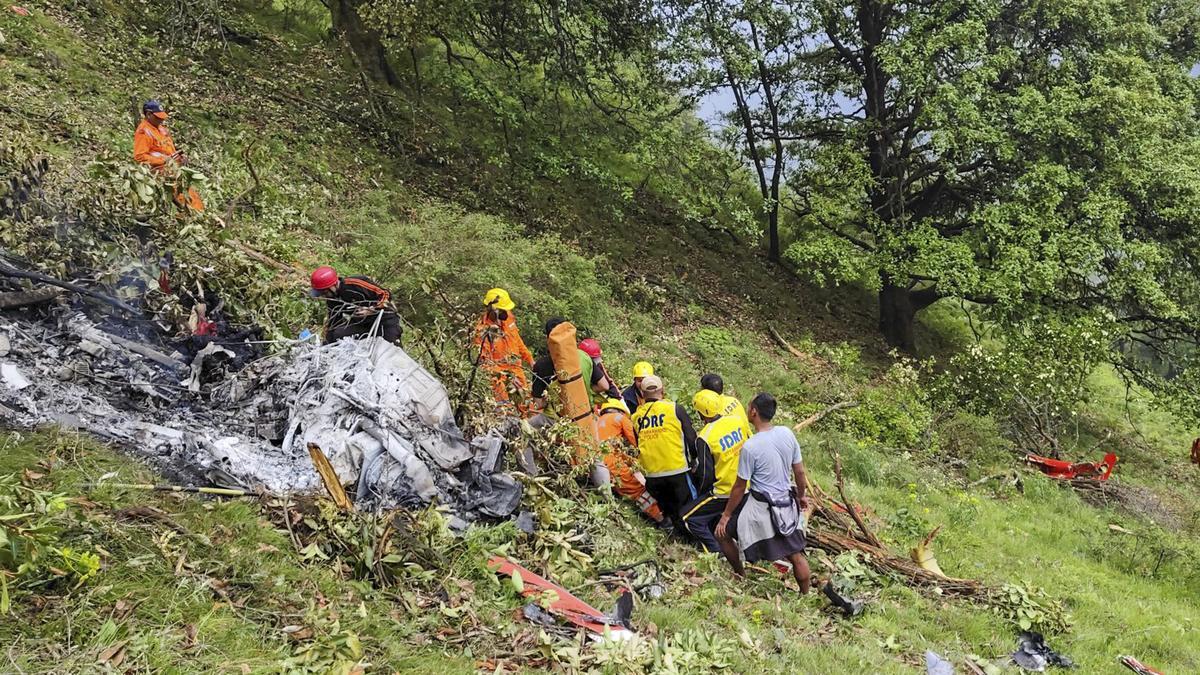
The recent helicopter crash in Uttarakhand, claiming the lives of seven people near Kedarnath, has once again brought the spotlight on the safety concerns surrounding helicopter operations in the region. This tragic incident, occurring on June 15, 2025, adds to a growing list of helicopter accidents in the state, raising questions about the factors contributing to these mishaps and the measures being taken to prevent them. The article highlights a timeline of recent helicopter crashes in Uttarakhand, including the June 7, 2025, emergency landing of a Kestrel Aviation helicopter due to a technical issue, the May 17, 2025, emergency landing of an air ambulance in Kedarnath, and the May 8, 2025, crash near Uttarkashi that resulted in six fatalities. These incidents, coupled with the October 2024 emergency landing involving the Chief Election Commissioner's helicopter, paint a worrying picture of the challenges faced by helicopter operators in Uttarakhand. The high altitude, unpredictable weather conditions, and the increasing volume of pilgrims during the Char Dham Yatra season contribute to the complexity of these operations. The recent crash underscores the urgent need for comprehensive safety measures and improved oversight to ensure the safety of passengers and crew. The geographical and meteorological realities of Uttarakhand pose unique challenges to aviation. The terrain is mountainous and unforgiving, with steep valleys and unpredictable air currents. Weather conditions can change rapidly, with sudden shifts in visibility, strong winds, and the possibility of cloud cover. These factors make helicopter operations particularly risky, requiring skilled pilots and well-maintained aircraft. The high altitude also affects aircraft performance, reducing lift and increasing the risk of engine failure. The increasing number of pilgrims visiting the Char Dham shrines puts additional strain on helicopter services. During the peak season, helicopters operate at full capacity, often making multiple trips per day. This increased demand can lead to pressure on operators to cut corners on maintenance and safety procedures. The rush to transport pilgrims can also contribute to pilot fatigue, increasing the risk of human error. The fatal crash in October 2022, which claimed the lives of six devotees and the pilot, prompted the Uttarakhand Civil Aviation Development Authority (UCADA) to call for the establishment of an air traffic control system in the region. This system would enhance oversight of helicopter operations and help to prevent collisions. The recent incidents further highlight the need for such a system. Following the recent series of incidents, the Directorate General of Civil Aviation (DGCA) has initiated safety audits and is reviewing the necessity of curtailing helicopter operations to Char Dham if required. This is a welcome step, but more needs to be done. The DGCA should also consider implementing stricter regulations for helicopter operators in Uttarakhand, including mandatory training for pilots, regular inspections of aircraft, and limitations on the number of flights allowed per day. The operators have been asked to submit updated safety protocols, weather readiness reports, and maintenance logs in order to keep a check on air-related mishaps. This increased scrutiny is essential to ensure that helicopter operators are adhering to the highest safety standards. The government of Uttarakhand also has a role to play in improving helicopter safety. The government should invest in infrastructure improvements, such as upgrading helipads and providing better weather forecasting services. The government should also work with local communities to raise awareness of the risks associated with helicopter travel. In addition to regulatory and infrastructural improvements, technological advancements can also play a crucial role in enhancing helicopter safety in Uttarakhand. The use of advanced navigation systems, weather radar, and flight data recorders can provide pilots with critical information and improve their situational awareness. The implementation of automated flight control systems can also reduce the risk of human error. Furthermore, the development of more reliable and efficient helicopter engines can minimize the risk of mechanical failure. The safety of helicopter operations in Uttarakhand is a shared responsibility. Helicopter operators, government agencies, and pilgrims must all work together to ensure that these flights are as safe as possible. By implementing comprehensive safety measures, improving oversight, and investing in technological advancements, we can reduce the risk of future tragedies and protect the lives of those who rely on helicopter services in the region. The need for a comprehensive safety review is paramount. This review should encompass all aspects of helicopter operations, from pilot training and aircraft maintenance to weather forecasting and air traffic control. The review should also consider the impact of the increasing number of pilgrims on helicopter safety. The recommendations from this review should be implemented promptly and effectively. In conclusion, the recent helicopter crash in Uttarakhand is a stark reminder of the risks associated with helicopter operations in the region. By taking decisive action to improve safety, we can prevent future tragedies and ensure the safety of passengers and crew. The lives of those who rely on helicopter services in Uttarakhand depend on it. Ignoring the warning signs and failing to implement necessary changes will only lead to more devastating consequences. The time for action is now.
The reliance on helicopters for transportation in regions like Uttarakhand stems from the challenging terrain and limited accessibility. The mountainous landscape, coupled with underdeveloped road infrastructure, often makes helicopter travel the most efficient, and sometimes the only, viable option for reaching remote areas and pilgrimage sites. This dependence, however, necessitates a heightened focus on safety and risk management. The economic pressures on helicopter operators can sometimes lead to compromises in safety standards. The competitive market, particularly during peak seasons like the Char Dham Yatra, can incentivize operators to prioritize profit over maintenance and pilot training. This can manifest in inadequate maintenance schedules, overworked pilots, and a reluctance to ground flights due to adverse weather conditions. Addressing this requires stricter regulatory oversight and enforcement, coupled with financial incentives for operators who prioritize safety. The weather conditions in Uttarakhand are notoriously unpredictable and can change rapidly, posing a significant challenge to helicopter operations. Sudden shifts in visibility, strong winds, and unexpected cloud cover can create hazardous flying conditions. Pilots must be highly skilled and experienced in navigating these challenges. Investment in advanced weather forecasting systems and real-time weather monitoring can provide pilots with critical information to make informed decisions. The lack of adequate infrastructure, such as well-maintained helipads and air traffic control systems, further exacerbates the risks associated with helicopter operations in Uttarakhand. Many helipads are located in remote areas with limited support facilities. The absence of a comprehensive air traffic control system makes it difficult to manage the increasing volume of helicopter traffic, particularly during peak seasons. Upgrading helipads and implementing an air traffic control system are essential steps to improve safety. Pilot training and experience are critical factors in ensuring safe helicopter operations. Pilots operating in Uttarakhand must be specifically trained to handle the unique challenges posed by the terrain and weather conditions. Regular refresher courses and simulations can help pilots maintain their skills and knowledge. In addition to technical skills, pilots must also possess strong decision-making abilities and the ability to remain calm under pressure. The importance of a robust safety culture within helicopter operations cannot be overstated. This culture should emphasize open communication, transparency, and a willingness to report safety concerns without fear of reprisal. Operators should encourage employees to speak up about potential hazards and to actively participate in safety initiatives. A strong safety culture can help to prevent accidents by identifying and addressing potential problems before they escalate. The involvement of local communities is essential to ensuring the long-term sustainability of helicopter safety initiatives. Local communities can provide valuable insights into the local terrain and weather patterns. They can also help to monitor helicopter operations and report any safety concerns. Working with local communities can foster a sense of ownership and responsibility for helicopter safety. The advancement of technology offers opportunities to enhance helicopter safety in Uttarakhand. The use of GPS navigation systems, enhanced weather radar, and flight data recorders can provide pilots with critical information and improve their situational awareness. Automated flight control systems can also reduce the risk of human error. Investing in these technologies can significantly improve the safety of helicopter operations. The implementation of a comprehensive safety management system (SMS) can help helicopter operators to systematically identify, assess, and mitigate risks. An SMS provides a structured framework for managing safety and ensuring that all employees are aware of their responsibilities. An effective SMS should include procedures for reporting hazards, investigating accidents, and implementing corrective actions. The role of the Directorate General of Civil Aviation (DGCA) is crucial in regulating and overseeing helicopter operations in Uttarakhand. The DGCA must ensure that helicopter operators are adhering to the highest safety standards and that pilots are properly trained and licensed. The DGCA should also conduct regular audits and inspections of helicopter operations to identify any potential safety hazards. The DGCA must be proactive in enforcing safety regulations and taking action against operators who violate these regulations. In conclusion, improving helicopter safety in Uttarakhand requires a multi-faceted approach that addresses the challenges posed by the terrain, weather conditions, and economic pressures. By investing in infrastructure improvements, enhancing pilot training, fostering a robust safety culture, and leveraging technology, we can reduce the risk of future tragedies and ensure the safety of those who rely on helicopter services in the region.
The economic impact of helicopter accidents in Uttarakhand extends beyond the immediate costs of search and rescue operations and insurance claims. A single major accident can severely damage the tourism industry, which is a vital source of income for the state. Tourists may be hesitant to visit the region if they perceive helicopter travel to be unsafe. This can lead to a decline in tourism revenue, which can have a significant impact on local businesses and communities. The reputation of Uttarakhand as a safe and reliable destination is crucial to attracting tourists. Helicopter accidents can tarnish this reputation and make it difficult to attract visitors. Investing in helicopter safety can help to protect the tourism industry and ensure that Uttarakhand remains a popular destination for tourists. The environmental impact of helicopter accidents can also be significant. Helicopter crashes can cause damage to forests, rivers, and other natural resources. Fuel spills can contaminate soil and water, harming wildlife and ecosystems. The cleanup of helicopter crash sites can be costly and time-consuming. Preventing helicopter accidents is essential to protecting the environment. The ethical considerations surrounding helicopter operations in Uttarakhand are also important. Helicopter operators have a responsibility to ensure the safety of their passengers and crew. They must also be transparent about the risks associated with helicopter travel. Passengers have a right to make informed decisions about whether or not to fly in helicopters. Helicopter operators should provide passengers with clear and accurate information about the safety of their operations. The importance of public awareness campaigns cannot be overstated. Public awareness campaigns can help to educate passengers about the risks associated with helicopter travel and to promote safe flying practices. These campaigns can also encourage passengers to report any safety concerns they may have. Working with the media to disseminate accurate information about helicopter safety is also important. The media can play a crucial role in raising public awareness and holding helicopter operators accountable. The need for international collaboration is increasingly important. Sharing best practices and lessons learned with other countries can help to improve helicopter safety worldwide. International organizations can play a role in facilitating this collaboration. The development of international safety standards for helicopter operations can also help to ensure that all countries are adhering to the highest levels of safety. The long-term vision for helicopter safety in Uttarakhand should be one of continuous improvement. This vision should be based on a commitment to innovation, collaboration, and transparency. The goal should be to create a helicopter industry that is safe, reliable, and sustainable. This vision can only be achieved through the collective efforts of helicopter operators, government agencies, local communities, and international organizations. Investing in helicopter safety is an investment in the future of Uttarakhand. It is an investment in the tourism industry, the environment, and the well-being of the people who live and visit the region. By working together to improve helicopter safety, we can create a more prosperous and sustainable future for Uttarakhand. The potential for utilizing drone technology for safety inspections and monitoring of helicopter operations is significant. Drones equipped with high-resolution cameras can be used to inspect helipads, aircraft, and other infrastructure. They can also be used to monitor weather conditions and to provide real-time situational awareness to pilots. Using drones can reduce the risk of human error and improve the efficiency of safety inspections. The need for psychological support for pilots and other personnel involved in helicopter operations cannot be ignored. Operating helicopters in challenging environments can be stressful and demanding. Providing psychological support can help to reduce stress and improve decision-making. Mental health should be considered an important aspect of overall safety. In conclusion, ensuring helicopter safety in Uttarakhand requires a holistic and multi-faceted approach that addresses the technical, operational, and human factors that contribute to accidents. By embracing innovation, collaboration, and a commitment to continuous improvement, we can create a safer and more sustainable helicopter industry for the region.
Source: List of helicopter crashes in Uttarakhand over the years: A timeline