
) |
|
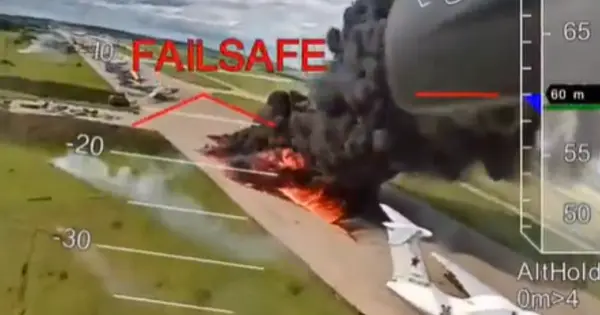
The recent unveiling of Ukraine's 'Operation Spiderweb' has sent ripples through the international community, showcasing Kyiv's capacity to strike deep within Russian territory and inflict significant damage on strategic military assets. The operation, which reportedly resulted in the damaging of 41 Russian strategic military aircraft, represents a bold and calculated move by Ukraine, demonstrating its willingness to escalate the conflict and challenge Russia's military dominance. The timing of the operation, just a day before scheduled peace talks in Istanbul, adds another layer of complexity to the already fraught diplomatic landscape, potentially undermining any prospects for a peaceful resolution to the conflict. The release of 'unique footage' by Ukraine's Defence Ministry provides a rare glimpse into the planning and execution of the operation, highlighting the innovative tactics employed by Ukrainian forces, including the smuggling of drones into Russia and the establishment of improvised control centers. However, the footage’s true authenticity and the extent of the damage are difficult to verify independently. The claims made by Ukraine regarding the $7 billion worth of damage inflicted on Russian aviation underscore the potential economic impact of the operation, while also serving as a powerful propaganda tool aimed at boosting morale and garnering international support. The success of Operation Spiderweb, if the claims are true, could embolden Ukraine to undertake further offensive actions against Russian targets, potentially leading to a further escalation of the conflict. It also raises serious questions about the effectiveness of Russia's air defenses and its ability to protect its strategic assets from attack. The fact that the operation was reportedly overseen by President Volodymyr Zelensky and SBU Chief Vasyl Maliuk indicates the high level of importance that Ukraine placed on the mission, further highlighting its strategic significance. The use of drones launched from within Russia, navigating at treetop level, demonstrates a sophisticated understanding of Russian air defense systems and a willingness to take calculated risks. The claim that the 'office' of the operation was located directly next to FSB headquarters is particularly provocative, suggesting a level of penetration and intelligence gathering that could have far-reaching consequences. This claim, if verified, would be a major intelligence failure for Russia and could lead to significant changes in its security protocols. Furthermore, the operation raises concerns about the potential for future attacks on critical infrastructure and military installations within Russia, potentially widening the scope of the conflict and increasing the risk of further escalation. Russia's response to Operation Spiderweb is likely to be swift and decisive, potentially involving retaliatory strikes against Ukrainian targets and an intensified crackdown on suspected collaborators within Russia. The operation has already led to heightened tensions between the two countries and could further complicate any efforts to reach a peaceful resolution to the conflict. The fact that the operation took place just before scheduled peace talks in Istanbul suggests that Ukraine may not be fully committed to a negotiated settlement, or that it is seeking to gain leverage in the talks by demonstrating its military capabilities. It's also essential to analyze the claims that 117 drones were deployed. Even if a significant portion was intercepted, the damage indicates a significant breach in defense. The May 25th airstrikes against Kyiv that resulted in casualties suggest a possible motivation for the operation, and the accusations of Putin's lack of interest in ceasefire negotiations might represent a broader sentiment within the Ukrainian leadership. The Operation Spiderweb, therefore, demands a nuanced understanding that examines the military, political, and diplomatic dimensions of the conflict. The success of the operation, if verifiable, will have significant implications for the future of the war and the potential for a peaceful resolution.
The strategic implications of Operation Spiderweb extend far beyond the immediate damage inflicted on Russian military aircraft. The operation serves as a potent demonstration of Ukraine's evolving capabilities and its willingness to employ asymmetric warfare tactics to counter Russia's superior military strength. By successfully targeting strategic assets deep within Russian territory, Ukraine has not only inflicted economic damage but also undermined Russia's sense of security and its perception of invincibility. The operation also sends a clear message to Russia's allies and partners, demonstrating Ukraine's resilience and its determination to defend its sovereignty, even in the face of overwhelming odds. The use of drones in Operation Spiderweb highlights the growing importance of unmanned aerial vehicles in modern warfare and the potential for these technologies to be used to bypass traditional air defense systems. The ability to launch drones from within Russia, navigating at treetop level, demonstrates a high level of tactical ingenuity and a willingness to take calculated risks. The fact that the operation was reportedly overseen by President Zelensky and SBU Chief Maliuk underscores the importance that Ukraine places on these types of operations and its commitment to utilizing all available resources to defend its territory. The claim that the 'office' of the operation was located directly next to FSB headquarters, if accurate, represents a significant intelligence coup for Ukraine and a major embarrassment for Russia's security services. This claim, if verified, could lead to significant changes in Russia's security protocols and an increased focus on counterintelligence operations. The potential for future attacks on critical infrastructure and military installations within Russia raises serious concerns about the escalation of the conflict and the potential for further destabilization of the region. Russia's response to Operation Spiderweb is likely to be multifaceted, involving a combination of military, diplomatic, and economic measures. Russia may retaliate with intensified airstrikes against Ukrainian targets, seek to increase its military presence in the region, and attempt to isolate Ukraine diplomatically. The success of Operation Spiderweb also has implications for other countries that are facing threats from larger, more powerful adversaries. The operation demonstrates that even a smaller, less technologically advanced country can effectively counter a larger adversary through the use of innovative tactics and a willingness to take calculated risks. The operation has likely been studied by military strategists and policymakers around the world, as they assess the potential for similar operations to be used in other conflicts. Furthermore, the operation raises ethical questions about the use of drones in warfare and the potential for civilian casualties. The use of drones to target military assets in populated areas could lead to unintended consequences and could violate international humanitarian law. The international community must carefully consider the ethical implications of drone warfare and work to develop clear guidelines and regulations to govern their use.
The diplomatic fallout from Operation Spiderweb is likely to be significant and could further complicate efforts to resolve the conflict peacefully. The timing of the operation, just before scheduled peace talks in Istanbul, suggests that Ukraine may not be fully committed to a negotiated settlement, or that it is seeking to gain leverage in the talks by demonstrating its military capabilities. Russia is likely to view the operation as a provocation and may be less willing to engage in meaningful negotiations as a result. The operation could also undermine the credibility of international mediators who are attempting to broker a peace agreement. The involvement of President Zelensky and SBU Chief Maliuk in the planning and execution of the operation suggests that Ukraine is willing to take significant risks to achieve its strategic goals. This willingness to take risks could make it more difficult to find common ground with Russia and could prolong the conflict. The international community is likely to be divided in its response to Operation Spiderweb. Some countries may support Ukraine's right to defend itself and may view the operation as a legitimate act of self-defense. Other countries may condemn the operation as a reckless act that could escalate the conflict and undermine efforts to reach a peaceful resolution. The United States and other Western countries are likely to walk a fine line, supporting Ukraine's right to defend itself while also urging restraint and caution. These countries may also be concerned about the potential for the conflict to escalate beyond Ukraine's borders and to draw in other countries. The operation could also have implications for the future of arms control and nonproliferation efforts. The use of drones to target strategic military assets raises concerns about the potential for these technologies to be used by non-state actors and to destabilize regional security. The international community must work together to prevent the proliferation of drones and to develop effective measures to counter the threat posed by these technologies. Ultimately, the success or failure of Operation Spiderweb will depend on a variety of factors, including Russia's response, the reaction of the international community, and the impact of the operation on the overall course of the conflict. The operation serves as a reminder of the complexities of the conflict and the challenges of finding a peaceful resolution. It highlights the importance of diplomacy, communication, and a willingness to compromise on both sides. The world watches, hoping for a de-escalation and a pathway to peace in this tragic conflict. The long-term consequences of the operation are still unfolding, but it is clear that it will have a lasting impact on the relationship between Ukraine and Russia and on the broader security landscape in Europe. In conclusion, Operation Spiderweb is a multifaceted event with wide-ranging implications for the military, political, and diplomatic dimensions of the Ukraine-Russia conflict. It is a testament to the ingenuity and resilience of the Ukrainian forces, and also a stark reminder of the dangers of escalation in modern warfare. Its impact will be felt for years to come.