
 |
|
Donald Trump's long-cherished vision of a grand military parade in the nation's capital finally materialized, yet the event was steeped in political undertones and shadowed by comparisons to displays of military might by authoritarian regimes. The parade, held along Constitution Avenue in Washington D.C., showcased soldiers, tanks, robot dogs, and aerial displays, marking the first major military parade in the US capital since the aftermath of the first Gulf War in 1991. The article suggests the parade transcended a mere celebration of the American military's history, serving as a reflection of the country's present and future under Donald Trump's leadership. The imagery, the scale, and the timing all contributed to the narrative that this was "Trump's parade," a personalized spectacle that solidified his vision for the nation's military posture and global standing. Trump’s unyielding determination to stage this parade, despite concerns over its cost and associations with authoritarian leaders, underscored his desire to project an image of strength and national pride. The parade served as a tangible manifestation of Trump's vision for America’s military, one that balanced domestic deployments with a desire to demonstrate strength on the world stage. His commitment to showcasing military might, regardless of the associated costs, exposed a profound paradox within his foreign policy agenda. While Trump had campaigned on the promise of ending foreign wars, the parade in Washington D.C. symbolized a projection of American power that deviated from this anti-interventionist stance. Furthermore, the parade sparked controversy and debate. Critics drew parallels to military displays in countries with authoritarian tendencies, raising concerns about the potential erosion of democratic norms and the militarization of American society. They also questioned the allocation of resources, arguing that the funds spent on the parade could have been better utilized to support veterans' services or address other pressing national needs. Supporters, on the other hand, viewed the parade as a much-needed tribute to the men and women in uniform, a display of national pride, and a demonstration of American strength. They argued that other countries regularly celebrate their military achievements and that the United States should not shy away from doing the same. JD Vance attempted to reconcile this apparent contradiction by asserting that the parade was a sign of the administration's respect for America's servicemen and women. He argued that honoring and respecting the military meant avoiding unnecessary wars. However, the connection between a military parade and a commitment to peace remained ambiguous, highlighting the complex and often contradictory nature of Trump's foreign policy. The parade also provided an opportunity for Trump to signal his ambitions for his administration's second term, indicating a willingness to disregard concerns about costs and comparisons to authoritarian leaders. By proceeding with the parade, Trump demonstrated his resolve to pursue his vision for America, regardless of the criticisms or reservations expressed by others. The event became a symbol of his defiance and his determination to reshape the country in his image. The event drew a stark contrast between the spectacle of military power and the ongoing challenges faced by the nation, including legal battles over immigration enforcement and protests against the aggressive use of law enforcement. The deployment of marines to Los Angeles, a controversial move that sparked legal challenges and protests, further underscored the tension between the administration's desire to project strength and its commitment to upholding civil liberties. The juxtaposition of military might with social and political unrest created a complex and unsettling portrait of America under Trump's leadership.
The article also delves into the historical context of military parades, noting that they do not exist in vacuums but rather reflect the political times in which a country lives. It draws a comparison to Russia's Victory Day celebrations, which underwent transformations under different leaders, reflecting shifting geopolitical ambitions. The reintroduction of tanks and ballistic missiles under Putin signaled Russia's resurgence as a military power and its assertive foreign policy. This historical perspective served to contextualize Trump's parade, suggesting that it was not merely a celebration of military prowess but also a reflection of his administration's worldview and its ambitions for the United States on the global stage. Trump's desire for a military parade stemmed from his admiration of the French Bastille Day parades, which he described as a "tremendous thing for France and for the spirit of France." This fascination with military pomp and pageantry revealed a personal inclination that transcended purely political considerations. The desire to "top" the French parades indicated a competitive spirit and a determination to showcase American exceptionalism. Administration officials sought to defend the parade against criticisms of authoritarianism by pointing out that other countries, such as France, also celebrate their military achievements without being labeled as dictatorships. However, the comparisons to Russia's Victory Day parades, particularly in light of Trump's admiration for strong leaders, fueled concerns about the potential erosion of democratic norms. The article effectively highlights the inherent paradoxes and contradictions surrounding Trump's military parade. It underscores the tension between his anti-interventionist rhetoric and his desire to project American strength, the contrast between his commitment to honoring the military and his disregard for the costs and controversies associated with the parade, and the juxtaposition of military pomp with the challenges and divisions facing the nation. The parade, therefore, served as a microcosm of Trump's presidency, embodying his complex and often contradictory approach to governance.
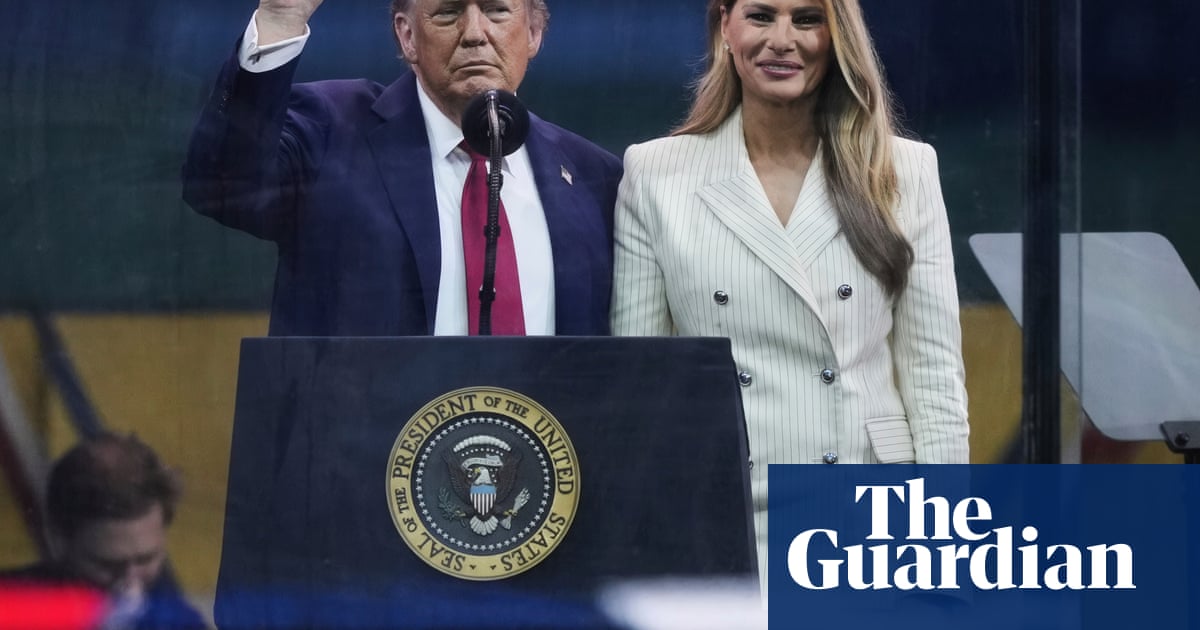
Ultimately, the gathering stormclouds both literal and figurative could not wipe the smile from Trump's face as he presided over the fulfillment of his long-held dream. This detail encapsulates the core message of the article: Trump’s unwavering determination to realize his vision, regardless of opposition or criticism, solidifies his legacy and political brand. The parade underscored Trump's determination to leave a lasting mark on the nation, even if that mark is steeped in controversy and political division. It showed his base that he was dedicated to showing the power of the military, regardless of the comparison that could be drawn from other countries. The fact that he managed to hold the event despite skepticism and unfavorable weather forecasts further reinforced his image as a leader who defies expectations and overcomes obstacles. The article paints a nuanced portrait of Trump's military parade, exploring its political context, historical precedents, and symbolic significance. It reveals the complexities and contradictions underlying Trump's vision for America, highlighting the tension between his desire to project strength and his commitment to ending foreign wars, his admiration for military pomp and his disregard for the costs and controversies associated with the parade. The article leaves the reader with a lingering question: what does this parade say about the future of America under Donald Trump? Is it a sign of national pride and strength, or a symbol of creeping authoritarianism? Is it a celebration of military achievement, or a reflection of a deeper societal malaise? The answers to these questions remain elusive, but the parade itself serves as a powerful reminder of the complex and often contradictory nature of American politics in the era of Donald Trump.