
 |
|
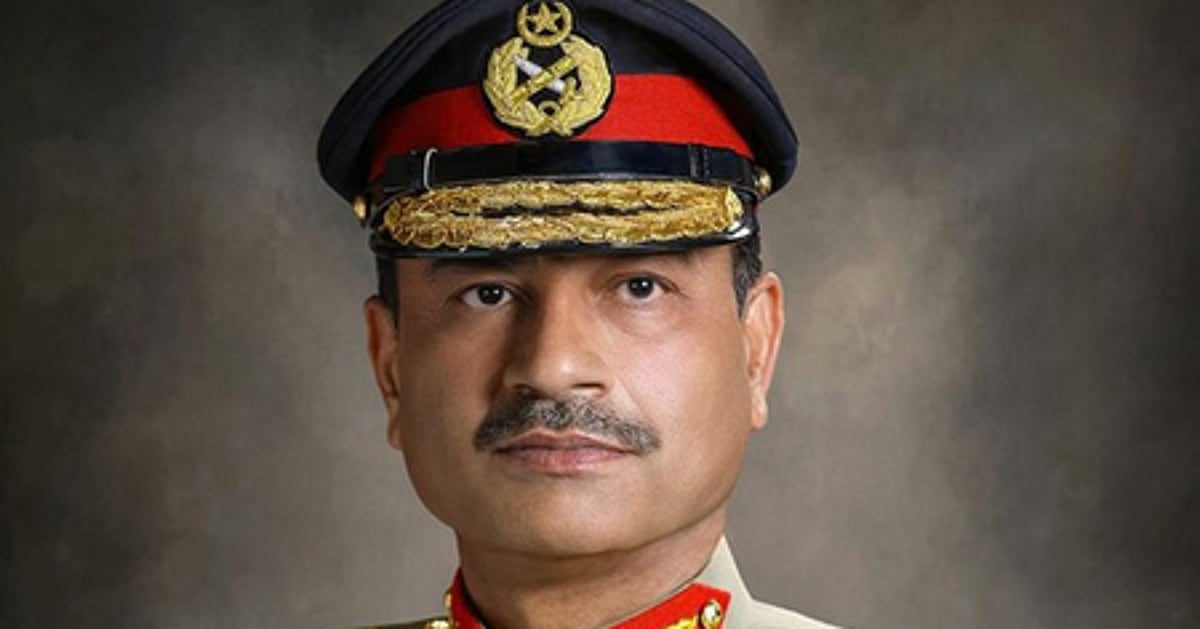
The scheduled lunch between US President Donald Trump and Pakistan's Army Chief, General Asim Munir, signifies a potentially important moment in the complex relationship between the United States and Pakistan. This meeting, taking place in the Cabinet Room of the White House, suggests a level of engagement that Islamabad is eager to portray as a diplomatic success. The fact that the White House issued an advisory specifically mentioning the lunch indicates its significance, despite Trump's truncated trip to the G7 summit in Canada due to escalating tensions in the Middle East. The choice to prioritize this meeting, even amidst international crises involving Israel and Iran, suggests that the US sees value in maintaining a direct line of communication with the Pakistani military leadership. This underscores the strategic importance of Pakistan in the region, particularly in relation to Afghanistan, counter-terrorism efforts, and the broader geopolitical landscape of South Asia. Historically, the US-Pakistan relationship has been characterized by periods of close cooperation, punctuated by moments of tension and distrust. From the Cold War alliance against the Soviet Union to the post-9/11 partnership in combating terrorism, the two countries have often found themselves aligned on specific security objectives. However, disagreements over Pakistan's nuclear program, its alleged support for militant groups, and its relationship with China have created persistent friction. This upcoming meeting provides an opportunity to address some of these concerns and explore potential areas of renewed cooperation. The Pakistani perspective, as reported by the Dawn newspaper, is clear: this is a major diplomatic win. This framing likely reflects Islamabad's desire to improve its international image and strengthen its ties with the US, particularly at a time when Pakistan is facing economic challenges and regional security threats. For Pakistan, maintaining a good relationship with the US is crucial for securing economic assistance, accessing military hardware, and garnering diplomatic support on issues such as Kashmir. Furthermore, the meeting could be seen as a signal to other regional actors, including India, that the US continues to view Pakistan as an important player in the region. General Munir's remarks to the Pakistani American community, urging India to engage with Pakistan as a civilized nation, highlight the ongoing tensions between the two South Asian neighbors. His rejection of Pakistan's involvement in the Pahalgam terrorist attack further underscores the sensitive nature of the relationship and the need for dialogue and de-escalation. The US has long played a role in mediating between India and Pakistan, and this meeting could provide an opportunity to explore ways to reduce tensions and promote stability in the region. From the US perspective, engaging with Pakistan's military leadership is essential for understanding the country's security priorities and influencing its policies. The Pakistani military wields significant power within the country, and its views on regional security issues carry considerable weight. By maintaining a direct line of communication with the Army Chief, the US can gain valuable insights into Pakistan's strategic thinking and potentially shape its actions in ways that align with US interests. However, the US must also be mindful of the potential risks associated with engaging with a military leader, particularly in a country with a history of military coups and civilian-military tensions. The US needs to carefully balance its desire for cooperation with the need to uphold democratic values and support civilian governance in Pakistan. This meeting also takes place against the backdrop of broader geopolitical shifts in the region. The rise of China, the ongoing conflict in Afghanistan, and the increasing assertiveness of Iran are all factors that are shaping the US-Pakistan relationship. The US needs to carefully consider how its engagement with Pakistan fits into its broader strategy for the region and how it can leverage the relationship to advance its interests. In conclusion, the lunch between President Trump and General Munir represents a significant opportunity for both the US and Pakistan to address their mutual concerns and explore potential areas of cooperation. The meeting is being framed as a diplomatic victory by Islamabad, highlighting the importance of the relationship for Pakistan. However, the US must also be mindful of the potential risks and challenges associated with engaging with the Pakistani military and must carefully balance its desire for cooperation with the need to uphold democratic values and promote regional stability. The outcome of this meeting could have significant implications for the future of US-Pakistan relations and the broader geopolitical landscape of South Asia.
The United States and Pakistan have a relationship woven with intricate threads of cooperation, competition, and, at times, outright contention. This complex tapestry dates back to the Cold War era, where Pakistan aligned itself with the US-led bloc against the Soviet Union, receiving substantial military and economic aid in return. This alliance, cemented through pacts like SEATO and CENTO, served as a bulwark against Soviet expansionism in the region. However, even during this period of close cooperation, underlying tensions simmered. Pakistan's pursuit of nuclear weapons, driven by its rivalry with India, created unease in Washington, concerned about nuclear proliferation. The Soviet invasion of Afghanistan in 1979 ushered in a new era of collaboration. Pakistan, with US backing, became a key conduit for supporting the Mujahideen resistance against the Soviet occupation. This period witnessed a surge in US military and economic assistance to Pakistan, solidifying the strategic partnership. However, the withdrawal of Soviet forces and the subsequent collapse of the Soviet Union led to a decline in US interest in the region. The imposition of sanctions on Pakistan due to its nuclear program further strained relations. The 9/11 terrorist attacks dramatically reshaped the US-Pakistan relationship once again. Pakistan, under pressure from the US, joined the global war on terror and became a frontline state in the fight against Al-Qaeda and the Taliban. This partnership resulted in significant US military and economic assistance to Pakistan, used to combat terrorism and stabilize the region. However, despite this cooperation, suspicion and distrust persisted. The US accused Pakistan of harboring and supporting elements of the Taliban and other militant groups, while Pakistan complained about US drone strikes on its territory and the perceived lack of appreciation for its sacrifices in the war on terror. The killing of Osama bin Laden in Abbottabad, Pakistan, in 2011 further eroded trust between the two countries. The incident raised serious questions about Pakistan's knowledge of Bin Laden's presence and its commitment to fighting terrorism. In recent years, the relationship has been further complicated by China's growing influence in Pakistan and the US's increasing focus on India as a strategic partner in the region. The China-Pakistan Economic Corridor (CPEC), a massive infrastructure project that is part of China's Belt and Road Initiative, has raised concerns in Washington about China's growing economic and political leverage in Pakistan. The US has also expressed concerns about Pakistan's human rights record, particularly its treatment of religious minorities and its crackdown on dissent. Despite these challenges, the US and Pakistan continue to maintain a working relationship. The US recognizes Pakistan's strategic importance in the region and its role in combating terrorism. Pakistan, in turn, relies on US economic and military assistance and seeks US support on issues such as Kashmir. The future of the US-Pakistan relationship will depend on how the two countries navigate these complex challenges and find common ground on issues of mutual interest. Addressing the underlying sources of distrust, promoting regional stability, and fostering economic cooperation will be crucial for building a more sustainable and productive partnership. The meeting between President Trump and General Munir represents an opportunity to address some of these challenges and chart a course for a more positive and constructive relationship.
General Asim Munir's rise to the position of Chief of Army Staff (COAS) in Pakistan marked a significant moment in the country's political and military landscape. His subsequent promotion to the rank of Field Marshal, a rare occurrence in Pakistan's history, further underscored his importance and influence. Understanding Munir's background and his perspective on key issues is crucial for assessing the potential implications of his meeting with President Trump. Munir's military career has been primarily focused on intelligence and counter-terrorism. He served as the Director-General of Inter-Services Intelligence (ISI), Pakistan's powerful intelligence agency, before assuming the role of COAS. His experience in intelligence gives him a deep understanding of the security challenges facing Pakistan, including the threat of terrorism, the complex dynamics of the Afghan conflict, and the evolving geopolitical landscape of the region. Munir is widely regarded as a professional and pragmatic officer. He is known for his strong views on national security and his commitment to protecting Pakistan's interests. He is also seen as a strong advocate for maintaining a stable and peaceful relationship with neighboring countries, including India, although he has also voiced concerns about India's regional ambitions. Munir's perspective on the US-Pakistan relationship is likely to be shaped by his experience in dealing with the US on counter-terrorism and security issues. He is likely to emphasize the importance of continued US assistance to Pakistan in combating terrorism and stabilizing the region. He may also seek US support in resolving the Kashmir dispute and addressing other regional security challenges. However, Munir is also likely to be wary of US interference in Pakistan's internal affairs and to insist on respect for Pakistan's sovereignty. He is also likely to be concerned about the US's growing relationship with India and its potential impact on Pakistan's security. Munir's remarks to the Pakistani American community, urging India to engage in civilized dialogue and rejecting Pakistan's involvement in the Pahalgam attack, provide valuable insights into his thinking on regional issues. His emphasis on the need for dialogue and de-escalation suggests a desire to reduce tensions with India and promote regional stability. However, his rejection of Pakistan's involvement in the Pahalgam attack also indicates a sensitivity to accusations of supporting terrorism and a determination to defend Pakistan's reputation. Munir's promotion to Field Marshal, the first since Ayub Khan in 1959, carries significant symbolic weight. It underscores his authority within the military and his importance in the country's political hierarchy. This promotion could strengthen his hand in dealing with both domestic and international actors and could potentially give him more influence over Pakistan's foreign policy. However, it also raises questions about the balance of power between the military and the civilian government in Pakistan. The fact that Munir was promoted to Field Marshal shortly before his meeting with President Trump suggests that the Pakistani government wanted to send a strong signal about his authority and importance. This could be interpreted as an attempt to enhance his credibility and influence in his dealings with the US administration. Munir's meeting with President Trump is likely to focus on a range of issues, including counter-terrorism, regional security, and the US-Pakistan relationship. He is likely to seek assurances of continued US assistance and support and to express Pakistan's concerns about US policies in the region. He is also likely to reiterate Pakistan's commitment to fighting terrorism and promoting regional stability. The outcome of this meeting will depend on a number of factors, including the personal rapport between Munir and Trump, the prevailing political climate in both countries, and the specific issues that are discussed. However, the meeting provides an opportunity for both sides to address their mutual concerns and to work towards a more constructive and productive relationship.
Source: US President Trump to host Pakistan Army chief for lunch