
 |
|
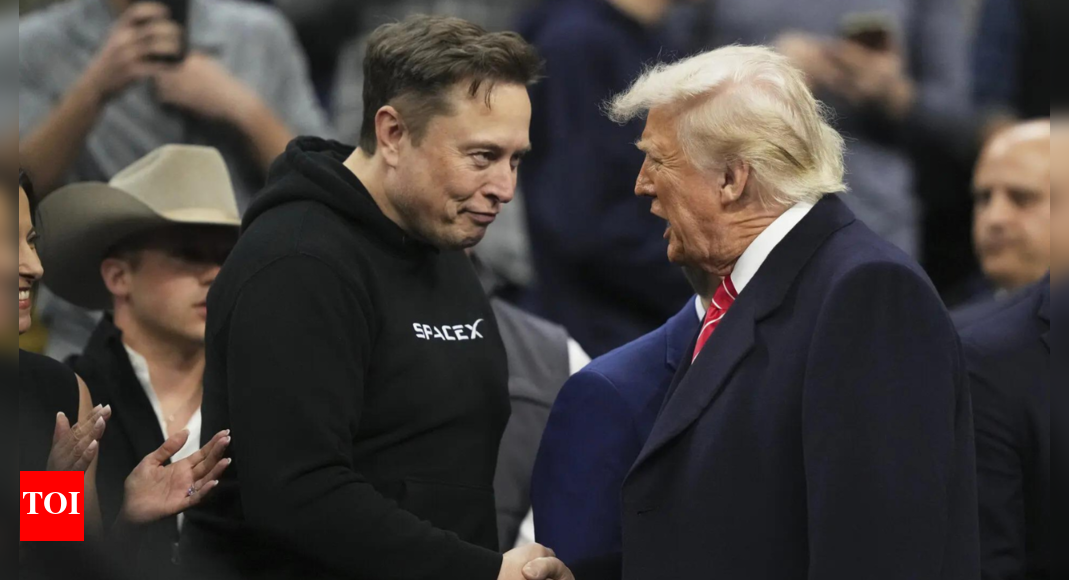
The escalating feud between former President Donald Trump and billionaire Elon Musk has become a focal point of political discourse, highlighting the complex interplay of power, influence, and ideology in contemporary American politics. The genesis of this conflict lies in Musk's growing criticism of Trump's proposed government spending bill, a move that has drawn the ire of the former president, who once enjoyed a close relationship with the tech mogul. Trump's warning of “serious consequences” for Musk should he back Democratic candidates underscores the deeply partisan nature of the current political climate and the lengths to which political figures are willing to go to maintain their power and influence. The disintegration of the Trump-Musk alliance is significant because it signifies a potential shift in the political landscape. Musk, once a major donor to the Republican Party, is now seemingly distancing himself from the party's more extreme elements, as evidenced by his criticism of Trump's spending bill. This shift could have significant implications for the future of the Republican Party, as Musk's financial resources and influential voice could be used to support more moderate candidates and policies. Trump's response to Musk's criticism is also telling. His willingness to publicly attack Musk, a figure who was once considered an ally, demonstrates the former president's intolerance of dissent and his determination to maintain control over the Republican Party. Trump's personal attacks on Musk, calling him “disrespectful” and ruling out any future reconciliation, further highlight the depth of the animosity between the two men. The feud extends beyond policy differences and personal animosity to encompass broader issues of power, influence, and accountability. Musk's now-deleted post alleging Trump's involvement in unreleased government documents related to convicted sex offender Jeffrey Epstein adds a layer of intrigue and potential scandal to the conflict. While Trump has not been accused of wrongdoing in connection to the Epstein case, the mere suggestion of his involvement is damaging and underscores the extent to which the former president's reputation has been tarnished by association with controversial figures. The White House's ongoing review of thousands of files connected to Epstein further fuels speculation and conspiracy theories, particularly among Trump's MAGA supporters, who believe that the files will reveal the names of powerful figures involved in the scandal. The feud between Trump and Musk is not simply a personal squabble; it is a reflection of the broader political divisions that are tearing apart American society. The conflict highlights the growing divide between the Republican Party's establishment wing and its more populist, Trump-aligned faction. It also underscores the increasing influence of wealthy individuals like Musk in shaping political discourse and influencing policy decisions. The future of the Republican Party, and indeed the future of American democracy, may depend on how these divisions are resolved and how the power of wealthy individuals is regulated.
The implications of this political battle extend beyond the immediate conflict between Trump and Musk. It raises fundamental questions about the role of wealthy individuals in politics and the potential for their influence to distort the democratic process. Musk's vast wealth and influence give him a significant platform to shape public opinion and influence policy decisions. His criticism of Trump's spending bill, for example, could sway other Republican donors and lawmakers to oppose the legislation, potentially jeopardizing its passage. Similarly, his support for Democratic candidates could provide them with a significant financial advantage in upcoming elections. The concentration of wealth and power in the hands of a few individuals like Musk raises concerns about the fairness and representativeness of the political system. Critics argue that wealthy individuals can use their resources to amplify their voices and drown out the voices of ordinary citizens. They can also use their wealth to lobby politicians and donate to campaigns, potentially influencing policy decisions in ways that benefit their own interests. The feud between Trump and Musk also underscores the importance of holding powerful figures accountable for their actions. Musk's allegation that Trump appeared in unreleased government documents related to Jeffrey Epstein raises serious questions about the former president's conduct and potential involvement in the scandal. While Trump has not been accused of wrongdoing, the allegation highlights the need for transparency and accountability in government. The White House's ongoing review of the Epstein files is a step in the right direction, but it is essential that the review be thorough and impartial and that the findings be made public. Furthermore, the feud exposes the fragility of political alliances and the potential for even the closest relationships to unravel in the face of conflicting interests and ideologies. Trump and Musk were once considered allies, united by their shared conservative values and their support for economic growth. However, their relationship deteriorated rapidly as Musk began to criticize Trump's policies and align himself with the Democratic Party. This underscores the importance of building political alliances on a foundation of shared principles and values, rather than on personal relationships or transactional interests.
In conclusion, the escalating feud between Donald Trump and Elon Musk is a significant event that has far-reaching implications for American politics. The conflict highlights the deep divisions within the Republican Party, the growing influence of wealthy individuals in shaping political discourse, and the importance of holding powerful figures accountable for their actions. The feud also serves as a reminder of the fragility of political alliances and the need for building relationships on a foundation of shared principles and values. Moving forward, it is crucial to address the underlying issues that have contributed to this conflict, including the concentration of wealth and power in the hands of a few individuals, the increasing polarization of American society, and the erosion of trust in government institutions. Failure to do so will only exacerbate these problems and further undermine the health and stability of American democracy. The political landscape is complex and ever-changing, and the actions of individuals like Trump and Musk can have a profound impact on the direction of the country. It is essential for citizens to be informed and engaged and to hold their leaders accountable for their decisions. The future of American democracy depends on it. The conflict between Trump and Musk serves as a microcosm of the larger political struggles that are playing out across the country. It is a reminder that the fight for a more just and equitable society is an ongoing process and that it requires the active participation of all citizens. The feud is a stark reminder of the power and influence that individuals can wield in the political arena, and it underscores the need for vigilance and accountability in order to ensure that the democratic process is not undermined by special interests or personal agendas. As the feud continues to unfold, it will be important to closely monitor its impact on the political landscape and to consider the broader implications for the future of American democracy. The actions of Trump and Musk will undoubtedly shape the course of events in the coming months and years, and it is essential for citizens to be aware of the stakes involved and to make their voices heard.