
 |
|
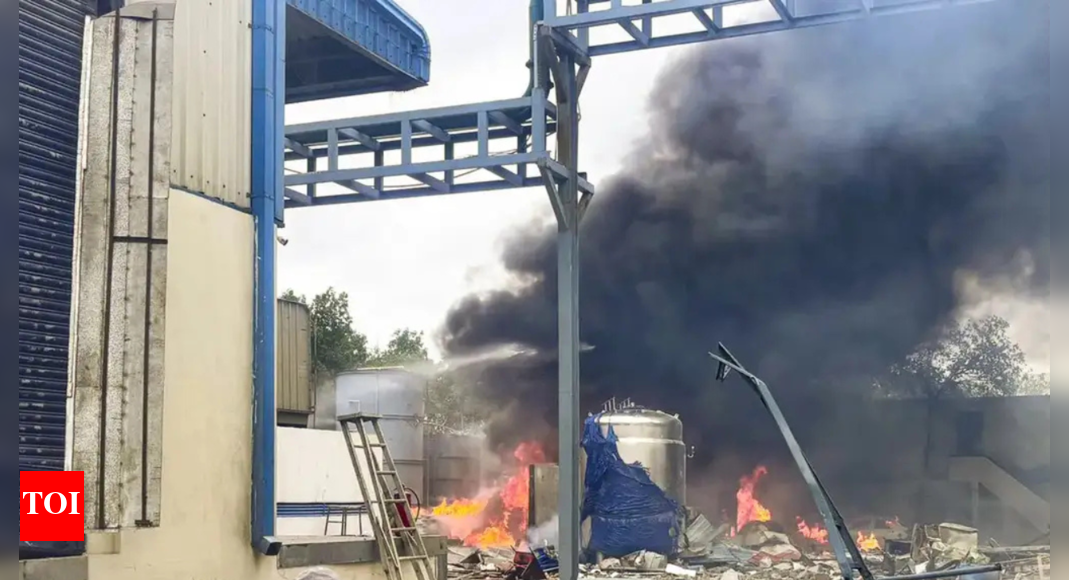
The recent explosion at the Sigachi Industries chemical plant in Pashamylaram village, Telangana, is a devastating tragedy that highlights the critical importance of safety regulations and oversight in industrial environments. The incident, which occurred Monday morning, resulted in the loss of at least 15 lives and left 35 others injured, many critically. The sheer force of the explosion tore through the multi-storey building, reducing it to rubble and trapping numerous workers beneath the debris. The victims were a diverse group, hailing from various states across India, including Telangana, Andhra Pradesh, Jharkhand, Odisha, Bihar, Uttar Pradesh, and West Bengal, underscoring the plant's role as a significant employer in the region. The initial findings suggest that a dryer malfunction within the quality control unit served as the catalyst for the catastrophic blast. This points to a potential failure in equipment maintenance, operational protocols, or a combination of both. The absence of the Vice President of Operations, M. E. Elanghovan, during the immediate aftermath further complicated the situation, hindering efforts to accurately determine the number of workers present in the building at the time of the explosion. The impact of the explosion extended beyond the immediate area, with adjacent structures, including the HR block and a rear compound wall, sustaining partial damage. The intensity of the blast resulted in horrific injuries, with many bodies burned beyond recognition, making identification a painstaking process. As of late Monday, only four bodies had been positively identified, leaving families in agonizing uncertainty about the fate of their loved ones. The government's response to the tragedy has been swift, with Prime Minister Narendra Modi expressing condolences and announcing ex gratia payments for the families of the deceased and the injured. Search teams, supported by fire services and disaster response units, are working tirelessly to locate and rescue any remaining survivors. The use of robots and aerial lighting systems demonstrates the commitment to utilizing advanced technology to aid in the search efforts, particularly during the challenging night-time hours. Despite these efforts, the rescue operation is fraught with difficulties. The lack of accurate information from the company management regarding the number of workers inside the building has significantly hampered the ability of rescuers to effectively target their search. The sheer volume of rubble and debris further complicates the process, making it difficult to determine the precise location of potential survivors. The emotional toll on the families of the missing workers is immense. Many relatives have not heard from their loved ones since the explosion, and the uncertainty surrounding their fate is unbearable. The desperation and anguish of these families are palpable, as they anxiously await news outside hospitals and at the blast site. The tragedy at the Sigachi Industries plant raises serious questions about the adequacy of safety measures and regulatory oversight in the chemical industry. It is imperative that a thorough and transparent investigation be conducted to determine the root causes of the explosion and to identify any systemic failures that may have contributed to the disaster. The investigation should not only focus on the immediate cause of the blast, but also on the broader safety culture within the company, including training programs, equipment maintenance schedules, and emergency response protocols. The findings of the investigation must be used to implement concrete measures to prevent similar tragedies from occurring in the future. This may include strengthening safety regulations, increasing the frequency and rigor of inspections, and mandating more comprehensive training programs for workers in the chemical industry. The incident also highlights the need for greater transparency and communication between companies and their employees, particularly in emergency situations. Companies should have clear and well-defined procedures for accounting for all personnel in the event of an accident, and they should ensure that families are kept informed of the status of their loved ones. In addition to addressing the immediate aftermath of the explosion, it is also important to consider the long-term consequences for the affected community. The loss of life and the injuries sustained by the workers will have a devastating impact on their families and communities. The government and the company have a responsibility to provide comprehensive support to the victims and their families, including financial assistance, medical care, and counseling services. The Sigachi Industries plant, which manufactures microcrystalline cellulose (MCC), has informed stock exchanges about the accident and stated that the facility is fully insured and that it will file necessary claims. While insurance can provide some financial relief, it cannot compensate for the loss of life or the trauma experienced by the victims and their families. The company must demonstrate a genuine commitment to supporting the affected community and to preventing future accidents. The Telangana government has formed a five-member committee to investigate the cause of the explosion and recommend preventive measures. This is a welcome step, but it is crucial that the committee be composed of independent experts who are not affiliated with the company or the government. The committee should be given full access to all relevant information and should be allowed to conduct a thorough and impartial investigation. The findings of the committee should be made public and should be used to inform policy decisions aimed at improving safety in the chemical industry. The tragedy at the Sigachi Industries plant serves as a stark reminder of the inherent risks associated with the chemical industry and the importance of prioritizing safety above all else. It is essential that all stakeholders – including government, industry, and workers – work together to create a culture of safety that protects workers and communities from the dangers of industrial accidents. Only through a concerted and sustained effort can we prevent similar tragedies from occurring in the future.
The explosion at Sigachi Industries underscores the complex interplay of factors contributing to industrial accidents. Beyond the immediate technical malfunction, a deeper examination of the organizational culture, regulatory environment, and socio-economic pressures reveals a multifaceted landscape of risk. The alleged dryer malfunction points to potential issues in equipment maintenance, inspection protocols, or the inherent design of the machinery. A thorough investigation must ascertain whether the equipment was adequately maintained according to manufacturer specifications, whether regular inspections were conducted and documented, and whether any warning signs were ignored or overlooked. Furthermore, the investigation needs to scrutinize the training and competency of the workers operating and maintaining the equipment. Were they adequately trained to identify potential hazards, troubleshoot malfunctions, and respond effectively in emergency situations? Was there a clear chain of command and communication protocols in place to ensure that safety concerns were promptly addressed? The absence of the Vice President of Operations during the immediate aftermath raises questions about leadership oversight and emergency preparedness. While his physical presence at the moment of the explosion may have been coincidental, his absence highlights the importance of having designated personnel responsible for coordinating emergency response efforts. A well-defined emergency response plan should outline clear roles and responsibilities for all employees, including procedures for accounting for personnel, evacuating the premises, and communicating with emergency services. The regulatory environment in which Sigachi Industries operates also plays a crucial role in shaping safety outcomes. Are the existing safety regulations adequate to address the specific hazards associated with the manufacture of microcrystalline cellulose? Are regulatory agencies adequately staffed and resourced to conduct effective inspections and enforce compliance with safety standards? Are there sufficient penalties in place to deter companies from violating safety regulations? The socio-economic context in which the plant operates also influences safety dynamics. The fact that the workers hail from various states across India suggests that the plant provides employment opportunities for individuals seeking economic advancement. This may create a situation where workers are less likely to raise safety concerns for fear of losing their jobs. The investigation should explore whether there are any power imbalances between management and workers that may have discouraged workers from reporting safety hazards or challenging unsafe practices. In addition to addressing the immediate causes of the explosion, it is also essential to consider the broader systemic factors that contribute to industrial accidents. This includes promoting a culture of safety throughout the organization, empowering workers to report safety concerns without fear of reprisal, investing in robust safety training programs, and ensuring that regulatory agencies have the resources and authority to effectively enforce safety standards. The tragedy at Sigachi Industries serves as a wake-up call for the entire chemical industry. It is a reminder that safety is not merely a matter of compliance with regulations, but a fundamental ethical obligation to protect workers and communities from harm. Only through a comprehensive and sustained effort can we create a safer and more responsible industrial environment.
The aftermath of the Sigachi Industries explosion necessitates a multi-pronged approach encompassing immediate relief, long-term support, and systemic reform. The immediate priority is to provide comprehensive assistance to the victims and their families. This includes financial compensation to cover medical expenses, funeral costs, and lost income. It also entails providing access to mental health services to help victims and their families cope with the trauma of the explosion. The government and Sigachi Industries should work together to establish a dedicated support center where victims and their families can access information, resources, and counseling services. The long-term support should focus on rebuilding the lives of the affected individuals and communities. This includes providing job training and placement assistance to help workers find new employment opportunities. It also includes investing in infrastructure improvements in the affected areas, such as schools, hospitals, and community centers. The government should also consider establishing a trust fund to provide ongoing support to the victims and their families. Systemic reform is crucial to prevent similar tragedies from occurring in the future. This includes strengthening safety regulations, increasing the frequency and rigor of inspections, and mandating more comprehensive training programs for workers in the chemical industry. The government should also consider establishing an independent regulatory body with the authority to investigate industrial accidents and enforce safety standards. The regulatory body should be adequately staffed and resourced to conduct effective inspections and investigations. It should also have the power to impose significant penalties on companies that violate safety regulations. In addition to regulatory reform, it is also essential to promote a culture of safety within the chemical industry. This includes empowering workers to report safety concerns without fear of reprisal, investing in robust safety training programs, and ensuring that management is committed to prioritizing safety above all else. The government should also work with industry associations to develop best practices for safety management and to promote a culture of continuous improvement. The Sigachi Industries explosion is a tragedy that should serve as a catalyst for change. By learning from the mistakes of the past, we can create a safer and more responsible chemical industry that protects workers and communities from harm. The investigation into the explosion must be thorough and transparent. The findings of the investigation should be made public and should be used to inform policy decisions aimed at improving safety in the chemical industry. The government, industry, and workers must work together to create a culture of safety that prioritizes the well-being of all stakeholders. The memory of those who lost their lives in the Sigachi Industries explosion should serve as a constant reminder of the importance of safety and the need to prevent similar tragedies from occurring in the future. The road to recovery will be long and difficult, but by working together, we can build a stronger and more resilient community.
Source: 15 dead & 35 injured as blast tears through chem plant near Hyderabad