
 |
|
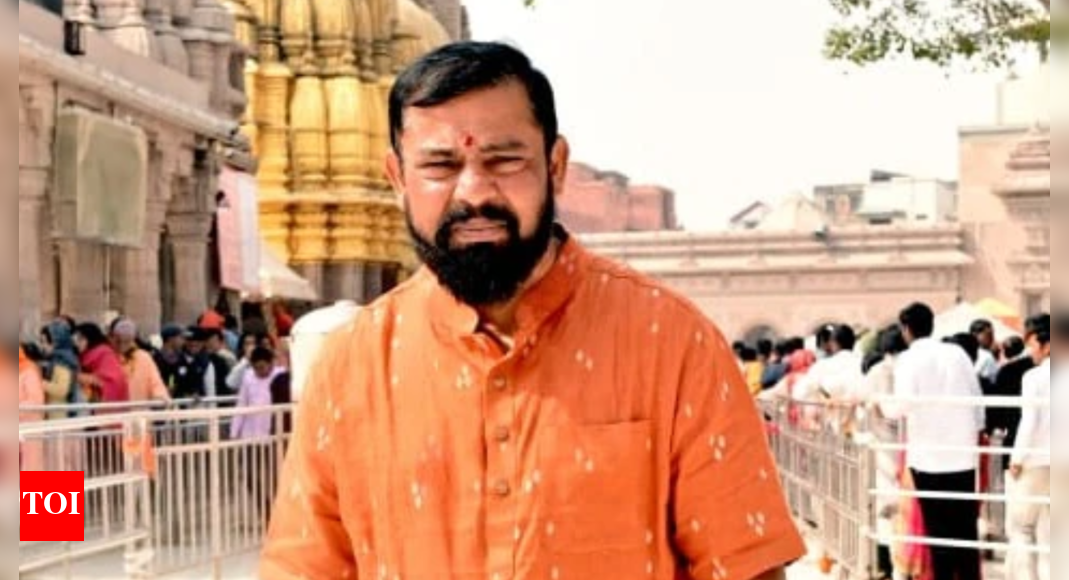
The resignation of T Raja Singh from the Bharatiya Janata Party (BJP) marks a significant development in the political landscape of Telangana. Singh, a three-time MLA, cited his disapproval of reports suggesting the appointment of Ramchander Rao as the state unit president as the primary reason for his departure. This decision, according to Singh, has not only shocked and disappointed him but also a vast number of party workers, leaders, and voters who have remained loyal to the BJP through various phases of its political journey. The resignation letter, addressed to BJP Telangana president G Kishan Reddy, reveals a deep sense of disillusionment and concern about the future direction of the party in the state. Singh's departure raises questions about the internal dynamics within the Telangana BJP and the potential impact on the party's prospects in the upcoming elections. The timing of the resignation is particularly noteworthy, as the BJP is purportedly on the cusp of forming its first government in Telangana. Singh's concerns about the choice of leadership at this crucial juncture highlight the significance of internal cohesion and strategic decision-making in achieving political success. The allegations made by Singh regarding the influence of certain individuals driven by personal interests, who allegedly misled the central leadership and made decisions behind the scenes, warrant further scrutiny. These claims suggest a lack of transparency and accountability within the party, which could erode public trust and undermine the party's credibility. Singh's decision to resign underscores the importance of addressing internal grievances and ensuring that the voices of grassroots workers and loyal supporters are heard and valued. The perceived sidelining and neglect of these individuals, as highlighted by Singh, could lead to disaffection and ultimately weaken the party's support base. The warning issued by Singh regarding the potential for setbacks due to the shift in leadership should be taken seriously. Undermining the efforts of grassroots workers and alienating loyal supporters could jeopardize the party's chances of success in the upcoming elections. The resignation of T Raja Singh serves as a wake-up call for the BJP leadership to address the concerns raised and take corrective measures to ensure the party's unity and effectiveness in Telangana. Failure to do so could have significant consequences for the party's future prospects in the state. The political landscape in Telangana is dynamic and competitive, and the BJP needs to maintain a strong and cohesive front to effectively challenge the existing political order. Internal divisions and leadership disputes can undermine the party's ability to capitalize on opportunities and achieve its electoral goals. The BJP must prioritize internal harmony, transparency, and accountability to maintain the trust and confidence of its supporters and attract new voters. The resignation of T Raja Singh is a reminder that political success requires not only strong leadership but also a united and motivated party organization.
The core of T Raja Singh's argument hinges on the perceived inadequacy of Ramchander Rao's potential leadership. Singh contends that Rao's appointment would undermine the efforts of dedicated MLAs, MPs, and senior leaders who have diligently worked to strengthen the party's presence in Telangana. This sentiment underscores the significance of recognizing and rewarding the contributions of long-serving and committed party members. By overlooking the efforts of these individuals, the party risks alienating its core support base and creating a sense of injustice and resentment. The decision-making process surrounding Rao's potential appointment is also a point of contention for Singh. He alleges that certain individuals, driven by personal interests, have manipulated the central leadership and influenced decisions behind the scenes. This raises concerns about the transparency and fairness of the party's internal processes. A lack of transparency can erode trust and create a perception of favoritism and cronyism, which can damage the party's reputation and credibility. The alleged manipulation of the central leadership also suggests a potential disconnect between the party's national leadership and the realities on the ground in Telangana. It is crucial for the central leadership to have a clear understanding of the local dynamics and to consult with local leaders before making significant decisions that could impact the party's prospects in the state. The importance of grassroots support in political campaigns cannot be overstated. Grassroots workers are the backbone of any political party, and their efforts are essential for mobilizing voters and spreading the party's message. When grassroots workers feel sidelined and unheard, it can lead to disengagement and a decline in morale. This can have a detrimental impact on the party's ability to conduct effective campaigns and win elections. Singh's resignation serves as a warning to the BJP leadership to prioritize the needs and concerns of its grassroots workers and to ensure that they feel valued and appreciated. The long-term consequences of Singh's resignation remain to be seen. However, it is clear that the event has exposed some deep-seated divisions within the Telangana BJP. The party's ability to address these divisions and to restore unity will be crucial for its future success in the state. The BJP needs to engage in open and honest dialogue with its members and supporters to address their concerns and to build a consensus on the way forward. This will require strong leadership and a commitment to transparency and fairness. The challenges facing the BJP in Telangana are not unique. Political parties across the world face similar challenges related to internal divisions, leadership disputes, and the need to maintain the support of grassroots workers.
Furthermore, the resignation of T Raja Singh can be analyzed through the lens of identity politics and its role within the BJP's organizational structure. Singh's appeal often resonated with a specific segment of the population, particularly those who identify with Hindutva ideology. His departure might indicate a shift in the party's strategy or a perceived dilution of its core principles, at least from Singh's perspective. This could alienate a segment of voters who were drawn to the BJP because of its commitment to these specific ideologies. Examining the demographics of Singh's support base is crucial to understanding the potential impact of his resignation. If his supporters are highly loyal to him personally or to the specific brand of Hindutva politics he represents, their allegiance might not automatically transfer to the BJP's new leadership. This could lead to a fragmentation of the party's vote share and weaken its overall electoral performance. The BJP's response to Singh's resignation will be closely watched by political observers. How the party manages the situation and attempts to reconcile with Singh (if at all) will send a message about its priorities and its willingness to accommodate diverse viewpoints within its ranks. A heavy-handed approach could further alienate Singh's supporters, while a more conciliatory approach could help to mitigate the damage. The incident also raises questions about the BJP's long-term strategy for Telangana. Is the party attempting to broaden its appeal to a wider range of voters, or is it doubling down on its core Hindutva base? The choice of Ramchander Rao as the potential state unit president could be indicative of a shift towards a more moderate approach, aimed at attracting voters who are not necessarily aligned with the party's hardline ideologies. However, such a shift could also alienate the party's core supporters, as Singh's resignation suggests. The BJP faces a delicate balancing act in Telangana. It needs to maintain the support of its core base while also reaching out to new voters. This requires careful strategic planning and effective communication. The party must clearly articulate its vision for the state and reassure its supporters that it remains committed to its core principles, while also demonstrating its willingness to address the concerns of all segments of society. Finally, the resignation of T Raja Singh highlights the importance of effective communication and internal dialogue within political parties. When members feel that their voices are not being heard or that their concerns are being ignored, it can lead to disaffection and ultimately to resignations. Political parties must create mechanisms for open and honest communication between leaders and members, and they must be willing to address grievances in a fair and transparent manner. This will help to build trust and strengthen the party's overall unity and cohesion.