
 |
|
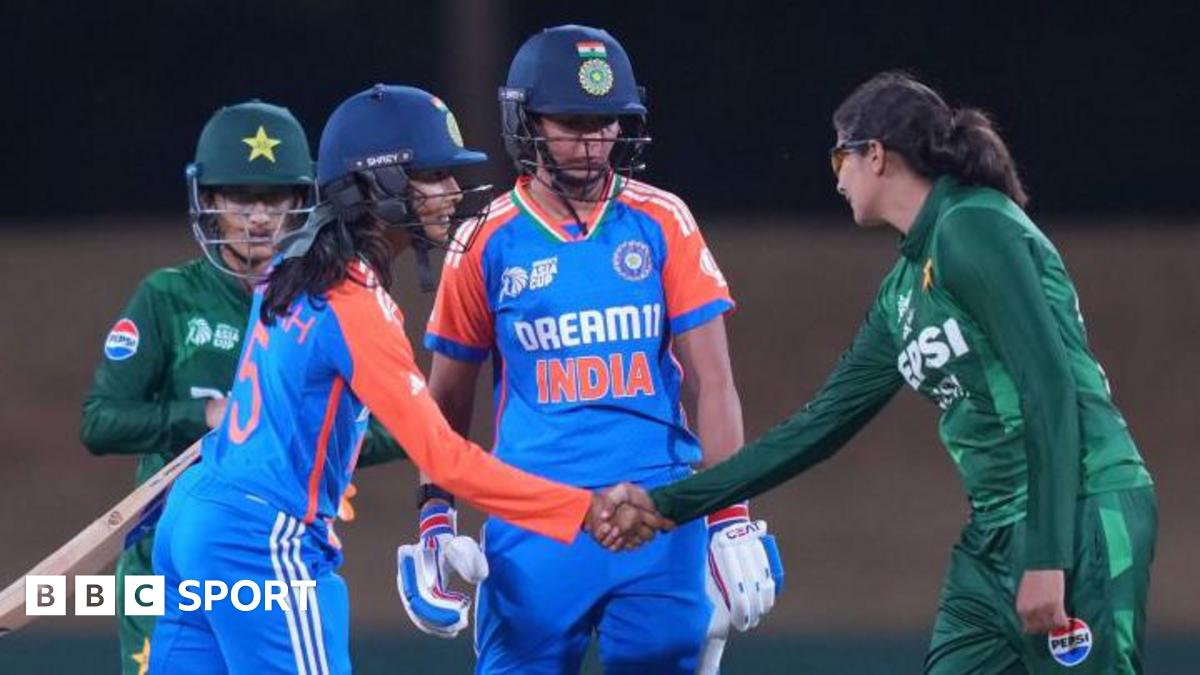
The upcoming Women's Cricket World Cup in 2025 faces a complex geopolitical landscape, forcing organizers to make significant adjustments to the tournament's schedule. Sri Lanka has been designated as the host nation for Pakistan's matches, a decision primarily driven by the ongoing political tensions between India and Pakistan. Bengaluru, India, will host the opening match, featuring the Indian team, and is also slated to host the final, provided Pakistan does not advance to the championship game. The full schedule for the eight-team tournament is still pending release, but this logistical shift highlights the profound impact of international relations on sporting events. Australia, the reigning World Cup champions, secured their victory against England in the previous tournament held in New Zealand, an event postponed until 2022 due to the global Covid-19 pandemic. This legacy adds an extra layer of anticipation and pressure to the upcoming competition. A significant logistical hurdle arises from the choice of Sri Lanka as a host nation during October, which is traditionally one of the wettest months of the year on the island. This could potentially disrupt matches and impact playing conditions, requiring careful contingency planning by the International Cricket Council (ICC) to ensure the smooth execution of the tournament. The strained relationship between India and Pakistan in cricket extends beyond mere sporting rivalry; it is deeply intertwined with broader political and historical conflicts. Prior to the recent escalation of tensions, the two nations had already ceased playing bilateral cricket matches outside of major international tournaments. This mutual avoidance reflects the deep-seated animosity that permeates various aspects of their relationship, extending into the realm of sports. The tensions further intensified during the Champions Trophy, underscoring the fragility of sporting interactions between the two countries. While Pakistan participated in the men's 50-over World Cup held in India in 2023, India did not reciprocate with a visit to Pakistan earlier this year. This lack of reciprocity underscores the political considerations that often outweigh sporting obligations, further complicating the landscape of Indo-Pakistani cricket. As part of the ICC's contingency arrangements, India played their matches in Dubai, ultimately winning the trophy after playing all fixtures at the same venue. This unprecedented situation highlights the extraordinary measures required to navigate the complex political landscape and ensure the participation of both teams in major international events. In May, amidst escalating cross-border military strikes between the two nations, both the Indian Premier League (IPL) and the Pakistan Super League (PSL) were temporarily suspended. This suspension served as a stark reminder of the pervasive impact of geopolitical instability on even the most lucrative and popular sporting leagues. The delayed IPL final is scheduled to take place on Tuesday, marking a resumption of normalcy amidst the underlying tensions. The ultimate decision regarding whether either government will permit their respective teams to compete against each other remains uncertain. This decision will likely be influenced by prevailing political conditions and diplomatic negotiations, adding an element of suspense to the highly anticipated clashes between the two cricketing giants. Beyond the immediate challenges of the Women's Cricket World Cup, other significant announcements have been made regarding women's cricket. The opening game of the upcoming Women's T20 World Cup in England will be held at Edgbaston on June 12th. This event promises to showcase the growing popularity and talent within women's cricket, attracting fans from around the globe. The semi-finals of the Women's T20 World Cup are scheduled to take place at The Oval, a historic cricket ground with a rich tradition. The final match will be held at Lord's on July 5th, 2026, solidifying the iconic venue's status as the home of cricket. These announcements underscore the ICC's commitment to promoting and developing women's cricket on a global scale, providing a platform for female athletes to shine and inspire future generations. The interplay between politics and sports is a recurring theme in international cricket, particularly in the context of Indo-Pakistani relations. The decision to have Sri Lanka host Pakistan's matches in the Women's Cricket World Cup is just the latest example of how geopolitical realities can influence sporting events. The ongoing tensions between the two countries have consistently disrupted bilateral series and complicated the scheduling of major tournaments. Despite the passionate fan base and the immense sporting talent within both nations, political considerations often take precedence, hindering the development of a healthy and competitive cricketing relationship. The ICC faces a daunting task in navigating these complexities and ensuring that both teams can participate in major tournaments without compromising the safety and security of players and fans. The use of neutral venues, such as Dubai, has become a common practice in recent years, providing a viable solution to the challenges posed by political tensions. However, this approach is not without its drawbacks, as it deprives fans of the opportunity to witness matches on their home soil and can diminish the overall atmosphere of the event. Finding a sustainable and mutually acceptable solution to the political obstacles that plague Indo-Pakistani cricket remains a significant challenge for the ICC and the governments of both nations. A more constructive and collaborative approach could foster greater understanding and goodwill between the two countries, potentially leading to a gradual normalization of relations and the resumption of regular bilateral cricket series. This would not only benefit the sporting landscape but also contribute to broader efforts to promote peace and stability in the region. The weather conditions in Sri Lanka during October also present a significant logistical challenge for the Women's Cricket World Cup. The monsoon season typically extends into October, bringing heavy rainfall and high humidity. This could potentially disrupt matches, affect playing conditions, and impact the overall experience for players and fans. The ICC will need to implement comprehensive contingency plans to mitigate the impact of adverse weather conditions, including reserve days, alternative venues, and improved drainage systems. Careful monitoring of weather forecasts and proactive communication with teams and spectators will be crucial to ensure the smooth execution of the tournament. The success of the Women's Cricket World Cup will depend not only on the sporting performances of the participating teams but also on the ability of the organizers to navigate the complex political and logistical challenges that lie ahead. By addressing these challenges effectively, the ICC can ensure that the tournament is a memorable and successful celebration of women's cricket.
The suspension of the Indian Premier League (IPL) and Pakistan Super League (PSL) in May, amidst escalating cross-border military strikes, serves as a poignant reminder of the pervasive impact of geopolitical instability on even the most lucrative and popular sporting leagues. Both leagues, renowned for their high-octane matches and global appeal, attract top cricketing talent from around the world and generate substantial revenue. The sudden suspension sent shockwaves through the cricketing community, underscoring the vulnerability of sporting events to broader political conflicts. The decision to suspend the leagues was likely driven by a combination of factors, including security concerns, logistical challenges, and the need to prioritize the safety of players, officials, and spectators. The escalating military strikes created an environment of uncertainty and fear, making it difficult to guarantee the safe conduct of matches. The suspension also served as a symbolic gesture, reflecting the sensitivity of the situation and the need to avoid any actions that could be perceived as provocative or insensitive. The delayed IPL final, now scheduled to take place on Tuesday, marks a resumption of normalcy amidst the underlying tensions. However, the resumption does not diminish the significance of the suspension, which serves as a stark reminder of the fragility of the sporting landscape in the face of political conflict. The IPL and PSL are not merely sporting leagues; they are also significant economic and cultural platforms, contributing to employment, tourism, and national pride. The suspension had a ripple effect across various sectors, impacting businesses, sponsors, and fans. The resumption is therefore a welcome development, signaling a return to stability and normalcy. The ultimate decision regarding whether either government will permit their respective teams to compete against each other remains uncertain. This decision will likely be influenced by prevailing political conditions and diplomatic negotiations, adding an element of suspense to the highly anticipated clashes between the two cricketing giants. The clashes between India and Pakistan are among the most eagerly anticipated matches in the cricketing calendar, drawing massive viewership and generating intense rivalry. However, the political tensions between the two countries have consistently hindered the scheduling of regular bilateral series, leaving fans yearning for more opportunities to witness these epic encounters. The governments of both countries face a difficult balancing act, weighing the sporting benefits of allowing their teams to compete against each other against the potential political risks. The decision is often influenced by a complex interplay of factors, including public opinion, security concerns, and diplomatic considerations. A more constructive and collaborative approach could foster greater understanding and goodwill between the two countries, potentially leading to a gradual normalization of relations and the resumption of regular bilateral cricket series. This would not only benefit the sporting landscape but also contribute to broader efforts to promote peace and stability in the region. The ongoing tensions between India and Pakistan highlight the complex relationship between sports and politics. Sports can be a powerful tool for promoting diplomacy and fostering understanding between nations, but they can also be easily disrupted by political conflicts. The challenge lies in finding ways to harness the positive potential of sports while mitigating the risks associated with political interference. The ICC plays a crucial role in navigating these complexities and ensuring that cricket remains a unifying force, even in the face of political challenges. By promoting dialogue, fostering understanding, and upholding the principles of fair play, the ICC can contribute to a more peaceful and harmonious world. The Women's Cricket World Cup in 2025 provides an opportunity to showcase the unifying power of sports. By bringing together teams from different countries and cultures, the tournament can promote understanding and goodwill. The event can also serve as a platform for raising awareness about important social issues, such as gender equality and the empowerment of women. The success of the tournament will depend not only on the sporting performances of the participating teams but also on the ability of the organizers to leverage the event for positive social change. The Women's Cricket World Cup is a celebration of athleticism, skill, and sportsmanship. It is also a testament to the growing popularity and importance of women's sports. The tournament provides a platform for female athletes to shine and inspire future generations.
Beyond the immediate challenges of the Women's Cricket World Cup, other significant announcements have been made regarding women's cricket, underscoring the growing recognition and investment in the sport globally. The announcement that the opening game of the upcoming Women's T20 World Cup in England will be held at Edgbaston on June 12th signifies a landmark moment for women's cricket. Edgbaston, a historic cricket ground with a rich tradition, is a fitting venue for such a prestigious event. The opening match promises to be a spectacle, attracting fans from around the globe and showcasing the growing talent and popularity of women's cricket. The Women's T20 World Cup is a celebration of athleticism, skill, and sportsmanship. It is also a testament to the progress that women have made in sports over the past few decades. The tournament provides a platform for female athletes to shine and inspire future generations. The decision to hold the semi-finals of the Women's T20 World Cup at The Oval, another iconic cricket ground with a rich history, further underscores the importance of the tournament. The Oval has hosted numerous memorable cricket matches over the years, and it is a fitting venue for the semi-finals of a major international competition. The final match, scheduled to be held at Lord's on July 5th, 2026, solidifies the iconic venue's status as the home of cricket. Lord's is arguably the most famous cricket ground in the world, and it is a dream for many cricketers to play there. The opportunity to compete in the final of a major international tournament at Lord's is a once-in-a-lifetime experience. These announcements underscore the ICC's commitment to promoting and developing women's cricket on a global scale, providing a platform for female athletes to shine and inspire future generations. The ICC has invested heavily in women's cricket over the past few years, and this investment is beginning to pay dividends. The Women's Cricket World Cup and the Women's T20 World Cup are both growing in popularity, and the level of competition is constantly improving. The future of women's cricket is bright, and the ICC is committed to ensuring that the sport continues to grow and thrive. The success of women's cricket is not only important for the sport itself but also for society as a whole. Women's cricket provides a positive role model for young girls, showing them that they can achieve anything they set their minds to. It also promotes gender equality and challenges traditional stereotypes about women in sports. The Women's Cricket World Cup and the Women's T20 World Cup are both important events for promoting these values. The tournaments provide a platform for female athletes to showcase their talent and inspire future generations. The ICC is committed to ensuring that women's cricket continues to grow and thrive, and it is confident that the sport will play an increasingly important role in society in the years to come. The interplay between politics and sports is a complex and often fraught issue. The Women's Cricket World Cup in 2025 is just the latest example of how political tensions can impact sporting events. However, sports can also be a powerful force for promoting understanding and goodwill between nations. The ICC plays a crucial role in navigating these complexities and ensuring that cricket remains a unifying force, even in the face of political challenges. By promoting dialogue, fostering understanding, and upholding the principles of fair play, the ICC can contribute to a more peaceful and harmonious world. The Women's Cricket World Cup in 2025 provides an opportunity to showcase the unifying power of sports. By bringing together teams from different countries and cultures, the tournament can promote understanding and goodwill. The event can also serve as a platform for raising awareness about important social issues, such as gender equality and the empowerment of women. The success of the tournament will depend not only on the sporting performances of the participating teams but also on the ability of the organizers to leverage the event for positive social change.
The challenges facing the upcoming Women's Cricket World Cup are multifaceted, extending beyond the immediate logistical considerations. The political tensions between India and Pakistan, the potential for adverse weather conditions in Sri Lanka, and the need to ensure the safety and security of all participants create a complex and demanding environment. The ICC must address these challenges effectively to ensure that the tournament is a success. The political tensions between India and Pakistan have been a recurring issue in international cricket for many years. The two countries have a long and complicated history, and their relationship is often characterized by mistrust and animosity. This has made it difficult to schedule regular bilateral series and has complicated the staging of major tournaments. The ICC has often been forced to use neutral venues to host matches between India and Pakistan, and this has deprived fans of the opportunity to witness these epic encounters on their home soil. The decision to have Sri Lanka host Pakistan's matches in the Women's Cricket World Cup is just the latest example of how political tensions can impact sporting events. The ICC must continue to work to find ways to navigate these complexities and ensure that cricket remains a unifying force, even in the face of political challenges. The potential for adverse weather conditions in Sri Lanka during October also presents a significant challenge. The monsoon season typically extends into October, bringing heavy rainfall and high humidity. This could potentially disrupt matches, affect playing conditions, and impact the overall experience for players and fans. The ICC must implement comprehensive contingency plans to mitigate the impact of adverse weather conditions, including reserve days, alternative venues, and improved drainage systems. Careful monitoring of weather forecasts and proactive communication with teams and spectators will be crucial to ensure the smooth execution of the tournament. The need to ensure the safety and security of all participants is another major challenge. The Women's Cricket World Cup is a high-profile event, and it is therefore a potential target for terrorist attacks or other security threats. The ICC must work closely with local authorities to develop and implement comprehensive security plans. These plans must include measures to protect players, officials, spectators, and all other stakeholders. The ICC must also be prepared to respond quickly and effectively to any security threats that may arise. The success of the Women's Cricket World Cup will depend on the ability of the organizers to address these challenges effectively. The ICC must work closely with all stakeholders to ensure that the tournament is a safe, secure, and enjoyable experience for everyone involved. The Women's Cricket World Cup is an important event for promoting women's cricket and for inspiring future generations of female athletes. The ICC is committed to ensuring that the tournament is a success, and it is confident that it will be a memorable and rewarding experience for everyone involved. The challenges facing the upcoming Women's Cricket World Cup are significant, but they are not insurmountable. The ICC has a proven track record of successfully staging major international tournaments, and it is well-equipped to address the challenges that lie ahead. The ICC will work closely with all stakeholders to ensure that the Women's Cricket World Cup is a success, and it is confident that it will be a memorable and rewarding experience for everyone involved.
The legacy of women's cricket is one of resilience, growth, and increasing recognition. From its humble beginnings to its current status as a global phenomenon, women's cricket has overcome numerous obstacles to achieve its rightful place in the sporting world. The Women's Cricket World Cup, the Women's T20 World Cup, and other major international tournaments have played a crucial role in promoting the sport and inspiring future generations of female athletes. The early days of women's cricket were characterized by limited resources, lack of media coverage, and societal biases. However, despite these challenges, women's cricket persevered, driven by the passion and dedication of players, coaches, and administrators. The formation of national teams and the organization of international tournaments marked a significant step forward in the development of the sport. The Women's Cricket World Cup, first held in 1973, provided a platform for female cricketers to showcase their talent and compete against the best in the world. The tournament helped to raise awareness of women's cricket and to attract new fans. However, it was not until the late 20th and early 21st centuries that women's cricket began to gain significant mainstream recognition. The introduction of Twenty20 cricket, a shorter and more exciting format of the game, helped to attract a younger audience and to increase television viewership. The success of the Women's T20 World Cup, first held in 2009, further cemented the sport's growing popularity. The increased media coverage of women's cricket has also played a crucial role in its development. Television broadcasts, online streaming, and social media have helped to bring the sport to a wider audience and to create a more engaged fan base. The rise of social media has also allowed female cricketers to connect directly with their fans and to share their stories. The success of women's cricket is not only due to the efforts of players, coaches, and administrators but also to the support of sponsors and governing bodies. The ICC has invested heavily in women's cricket over the past few years, and this investment is beginning to pay dividends. The ICC has also implemented a number of initiatives to promote gender equality and to ensure that women's cricket receives the same level of support as men's cricket. The future of women's cricket is bright. The sport is growing in popularity around the world, and the level of competition is constantly improving. The Women's Cricket World Cup and the Women's T20 World Cup are both major international tournaments, and they provide a platform for female cricketers to shine and inspire future generations. The increased media coverage of women's cricket is also helping to raise awareness of the sport and to attract new fans. The challenges facing women's cricket are still significant, but the sport has overcome many obstacles in the past, and it is well-positioned to continue to grow and thrive in the years to come. The Women's Cricket World Cup in 2025 is an opportunity to celebrate the legacy of women's cricket and to look forward to a bright future. The tournament will bring together the best female cricketers in the world, and it will provide a platform for them to showcase their talent and inspire future generations. The Women's Cricket World Cup is an important event for promoting gender equality and for challenging traditional stereotypes about women in sports. The tournament will also provide an opportunity to raise awareness about the importance of women's empowerment and to promote the values of sportsmanship, teamwork, and fair play. The Women's Cricket World Cup in 2025 is a celebration of athleticism, skill, and dedication. It is also a testament to the progress that women have made in sports over the past few decades. The tournament will inspire young girls to pursue their dreams and to believe that they can achieve anything they set their minds to. The legacy of women's cricket is one of resilience, growth, and inspiration. The Women's Cricket World Cup in 2025 will be a testament to that legacy.
Source: Women's Cricket World Cup 2025: Sri Lanka to host Pakistan matches