
 |
|
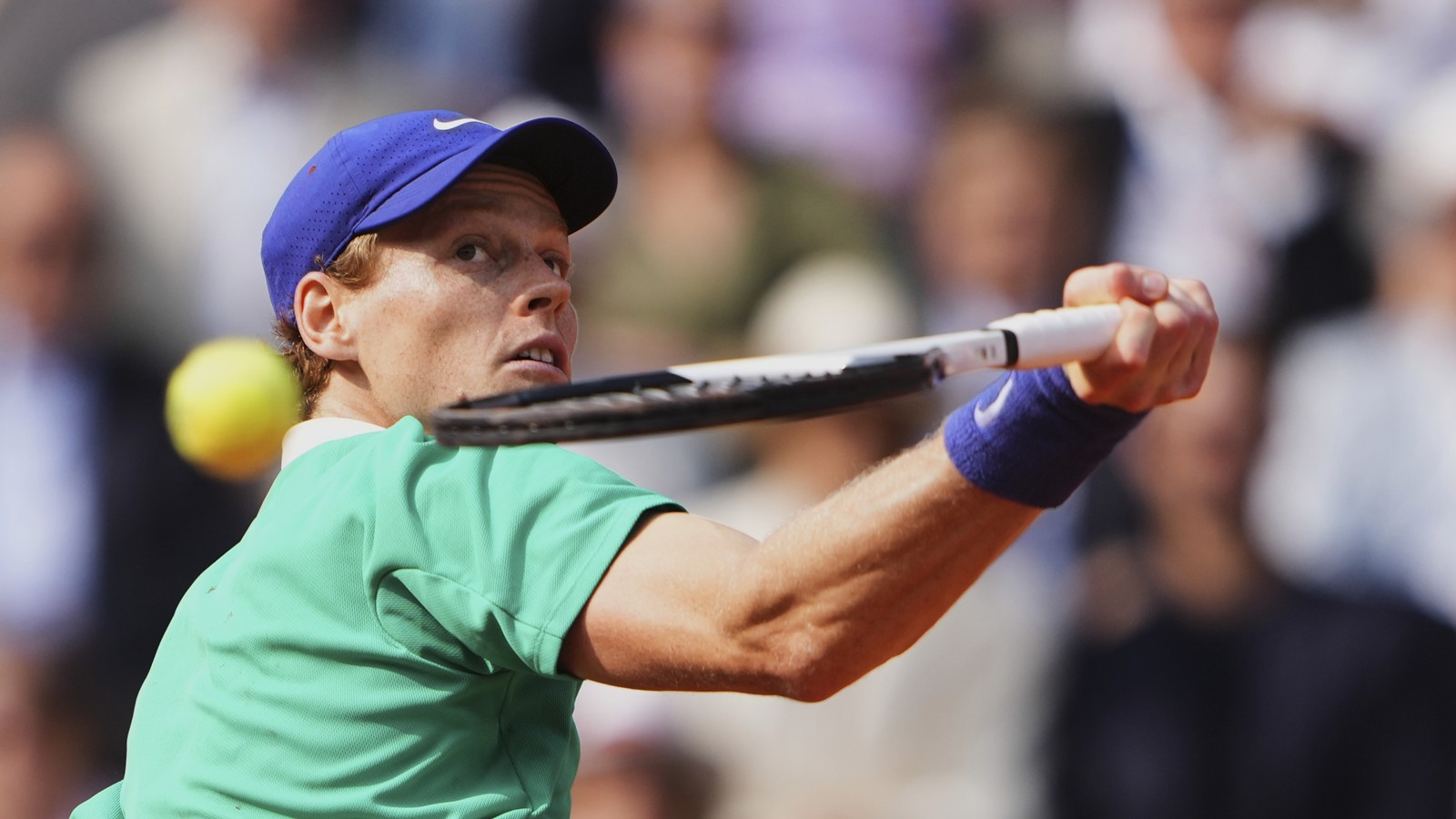
The 2025 French Open men's singles final between Jannik Sinner and Carlos Alcaraz was clearly a momentous occasion in the world of tennis, based on the excerpt provided. The intensity of the match is palpable, even from the limited details presented. The fact that it reached a fifth and deciding set speaks volumes about the competitiveness between these two athletes. Sinner, having previously acknowledged the sting of tough losses, faced another critical juncture against his formidable opponent, Alcaraz. The specific point in question, occurring with Sinner trailing 1-3 in the final set, highlights the pressure cooker atmosphere that defines Grand Slam finals. The description of the rally is vivid. Sinner’s deep return, followed by a seemingly commanding backhand sequence, suggested he was on the verge of seizing control of the point and possibly shifting the momentum of the match. However, Alcaraz, displaying his exceptional athleticism and skill, managed to not only retrieve the ball but also unleash a powerful and decisive forehand that ultimately forced an error from Sinner. This single point, described in such detail, encapsulates the unpredictable nature of tennis and the razor-thin margins that often separate victory from defeat at the highest levels of competition. It would be fascinating to know what specifically Sinner shouted to his coaches in that moment. Was it frustration, a plea for tactical adjustments, or simply a release of the pent-up energy that had been building throughout the grueling match? The article’s title hints at a revealing glimpse into Sinner's mindset, offering a human element that often gets lost in the broader narratives surrounding these high-stakes contests. The outcome of this specific point, while seemingly insignificant in the grand scheme of the entire match, likely had a psychological impact on both players. For Sinner, it could have been a demoralizing blow, reinforcing the difficulty of breaking Alcaraz's serve and potentially contributing to a downward spiral. Conversely, for Alcaraz, it could have served as a confidence booster, solidifying his belief in his ability to withstand Sinner’s best efforts and ultimately secure the championship. This is what makes top-tier sport so compelling: the ebb and flow of momentum, the mental fortitude required to overcome adversity, and the physical prowess displayed by athletes pushing themselves to their absolute limits. This particular exchange, however, speaks more generally to the state of elite tennis and the evolving rivalries that define the sport. Jannik Sinner and Carlos Alcaraz represent the next generation of tennis stars, poised to dominate the landscape for years to come. Their matches are not merely contests; they are displays of incredible athleticism, strategic brilliance, and unwavering determination. The rivalry between them is likely to become one of the defining narratives of the sport, captivating audiences worldwide with their contrasting styles and their relentless pursuit of excellence. To truly understand the significance of this specific point and the larger context of the match, it would be essential to consider their previous encounters, their respective strengths and weaknesses, and the overall trajectory of their careers. The article provides a tantalizing glimpse into a crucial moment in what is likely to be a long and storied rivalry, leaving readers eager to learn more about the details of the 2025 French Open final and the future battles between these two exceptional athletes. The dynamics of the match are heavily influenced by the players’ mental game, more than their physical capability. At such a high level, the difference in athletic ability can be minimal, therefore the player that has the better mental game will inevitably win. This is what is showcased in the short article. Alcaraz, faced with a difficult shot, did not crack under pressure, and delivered a shot that Sinner was not able to handle, ultimately putting the ball out and losing the point. This is an example of the mental fortitude needed to win at the highest level. Sinner, however, showed he may have been lacking in this area. Sinner, after losing the point, presumably shouted to his coaches in a way that the headline found worth highlighting. This shows that Sinner may have been unable to maintain his composure in the heat of the moment, leading to an emotional outburst. The mental game in tennis is a crucial part of the sport, and this example highlights how important it is to be able to maintain composure in the face of adversity. It is important for players to be able to control their emotions and focus on the task at hand, even when things are not going their way. The ability to do so can be the difference between winning and losing. Furthermore, the choice of shot making is equally as important in the success of any tennis player. In this specific instance, Alcaraz had a shot that was kicking up high, which can be difficult to control. Instead of panicking, he chose to hit a deep feisty forehand, which put Sinner in a difficult position and ultimately led to Sinner putting the ball out. This shows that Alcaraz made a good decision under pressure, and that his shot selection was a key factor in winning the point. Shot selection is a crucial part of tennis, and players must be able to make good decisions under pressure in order to be successful. The ability to choose the right shot at the right time can be the difference between winning and losing a point, a game, or even a match. Good shot selection requires a deep understanding of the game, as well as the ability to read the opponent and anticipate their moves. In summary, the ability to maintain composure and make good decisions under pressure are essential qualities for any tennis player, and this example highlights how important these qualities are in the success of any player. The fact that the article even focuses on this single exchange between the players shows how close the match was. The writer could have chosen to focus on any number of points, however, they chose to focus on this specific point as it was a key moment in the match. This highlights the fact that even the smallest moments can have a big impact on the outcome of a match. A single point can shift the momentum of the match, and it can also have a psychological impact on both players. The details of the article suggest the competitiveness of the two athletes. They both brought skill to the court, making it difficult for one to overpower the other. The constant back and forth resulted in a key win for Alcaraz which shifted the momentum of the game. Tennis is not only a physical sport but also requires a high level of mental toughness and the ability to perform under pressure. The point in question highlights all of these characteristics, making it a key moment in the match and the focus of the article. The writer seems to want to emphasize the rivalry between the two players. They have included details of the game that highlight the skill level of each and the importance of mental fortitude. This shows that the writer believes that this rivalry will be one of the defining narratives of the sport, captivating audiences worldwide with their contrasting styles and their relentless pursuit of excellence. The article provides a valuable insight into the dynamics of a high-stakes tennis match and the qualities that are required to succeed at the highest level of the sport.
Tennis, more than many other sports, is a constant battle of inches. Each point, each game, each set is a small victory in a larger war of attrition, and the smallest of errors can swing the momentum dramatically. The psychological aspect is paramount. Players are often isolated on the court, left to their own devices to navigate pressure, manage their emotions, and make split-second decisions that can determine the outcome of a match. A missed shot, a questionable call, or even a negative thought can snowball into a series of unforced errors, handing the advantage to the opponent. The best players are those who can maintain their composure under pressure, who can bounce back from adversity, and who can stay focused on the task at hand, regardless of the circumstances. In this particular instance, the article highlights the crucial role that mental fortitude played in the 2025 French Open final. Sinner, despite being down a break in the fifth set, battled back to 30-30 on Alcaraz's serve, putting himself in a position to potentially level the score. However, his inability to convert that opportunity, coupled with Alcaraz's remarkable defense and aggressive shot-making, resulted in a lost point and a continued deficit. The article suggests that this point had a significant psychological impact on Sinner, as evidenced by his emotional outburst towards his coaches. The pressure of the moment, combined with the frustration of failing to capitalize on a promising opportunity, likely contributed to his reaction. Alcaraz, on the other hand, appeared to thrive under pressure. His ability to not only retrieve Sinner's powerful shots but also to counter with an aggressive forehand demonstrates his exceptional mental toughness and his ability to perform at his best when the stakes are highest. This point serves as a microcosm of the entire match, showcasing the contrasting mental states of the two players and the profound impact that these states can have on the outcome of a contest. Moreover, the article underscores the importance of tactical awareness and adaptability in tennis. While Sinner's initial strategy of hitting deep returns and following up with backhands appeared to be effective, Alcaraz was able to adjust his game plan and neutralize Sinner's strengths. His ability to anticipate Sinner's shots, to move quickly around the court, and to unleash a powerful forehand forced Sinner into an error and ultimately won him the point. This demonstrates the importance of being able to read the opponent's game, to identify their weaknesses, and to adapt one's own strategy accordingly. The best players are not only physically gifted but also possess a keen understanding of the game and the ability to make smart tactical decisions under pressure. In conclusion, the excerpt from the article provides a compelling glimpse into the high-stakes world of professional tennis, highlighting the crucial role that mental fortitude, tactical awareness, and adaptability play in determining success. The specific point described serves as a microcosm of the entire match, showcasing the contrasting styles and mental states of Jannik Sinner and Carlos Alcaraz and underscoring the unpredictable nature of the sport. It is a reminder that tennis is not just a physical contest but also a mental battle, where the ability to manage pressure, make smart decisions, and adapt to changing circumstances can be the difference between victory and defeat. The importance of the coaching element, while not directly addressed in detail, is certainly implied. Sinner shouting to his coaches after the point indicates a reliance on their guidance and support, especially in critical moments. This highlights the collaborative nature of tennis, where players often work closely with their coaches to develop strategies, refine their techniques, and manage their mental game. The coach's role extends beyond technical instruction; they also provide emotional support, offer tactical insights, and help players to stay focused and motivated. In this instance, Sinner's emotional outburst suggests that he was seeking reassurance or guidance from his coaches after losing a crucial point. The nature of his communication, whether it was a request for tactical adjustments or simply a release of frustration, would provide further insight into the dynamics of his relationship with his coaching team. It's the constant pursuit of excellence, and the continuous effort to improve both physically and mentally, that ultimately separates the top players from the rest. And it's the captivating narratives, like the one hinted at in this article, that make tennis such a compelling and engaging sport for audiences worldwide.
Analyzing the article's implications, it's evident that the future of men's tennis is in capable hands. The rivalry between Sinner and Alcaraz is poised to become legendary, echoing the iconic matchups of Federer vs. Nadal or Borg vs. McEnroe. These head-to-head clashes not only provide thrilling entertainment for fans but also push both players to elevate their games to new heights. The intensity of their competition fosters innovation in playing styles, forcing them to constantly adapt and evolve their strategies. Each match becomes a learning experience, shaping their skills and mental resilience. The impact of this rivalry extends beyond the court, inspiring aspiring young players worldwide to pick up a racket and pursue their dreams. Sinner and Alcaraz serve as role models, demonstrating the values of hard work, dedication, and sportsmanship. Their success stories resonate with fans of all ages, promoting the positive aspects of competitive sports. Furthermore, their popularity helps to broaden the appeal of tennis, attracting new audiences and sponsors to the sport. This, in turn, leads to increased investment in player development, infrastructure, and grassroots programs, ensuring a bright future for the game. From a marketing perspective, the Sinner-Alcaraz rivalry is a goldmine for tennis organizations and sponsors. Their matches generate significant media attention, attracting millions of viewers and generating substantial revenue. Their individual brands become highly valuable, with endorsements and sponsorships flowing in from various industries. This commercial success allows them to invest further in their careers, hiring top-notch coaches, trainers, and support staff. The financial rewards also provide them with the motivation to continue striving for excellence, pushing the boundaries of what is possible on the tennis court. Looking ahead, the 2025 French Open final is likely to be remembered as a pivotal moment in the Sinner-Alcaraz rivalry. The specific point described in the article, while seemingly insignificant in isolation, represents a key turning point in the match and a testament to the mental and physical fortitude of both players. The rivalry will continue to captivate audiences and shape the landscape of men's tennis for years to come. As these two exceptional athletes continue to push each other to new heights, fans can look forward to many more thrilling encounters and unforgettable moments on the court. These details provide a glimpse into the future of sports rivalries and the impact they have on the athletes and the spectators. The mental game played is just as impactful as the physical game, showing that both are needed to be successful in high-level tournaments. These tournaments will continue to showcase future athletes and the qualities that they possess, making them a must-watch.