
 |
|
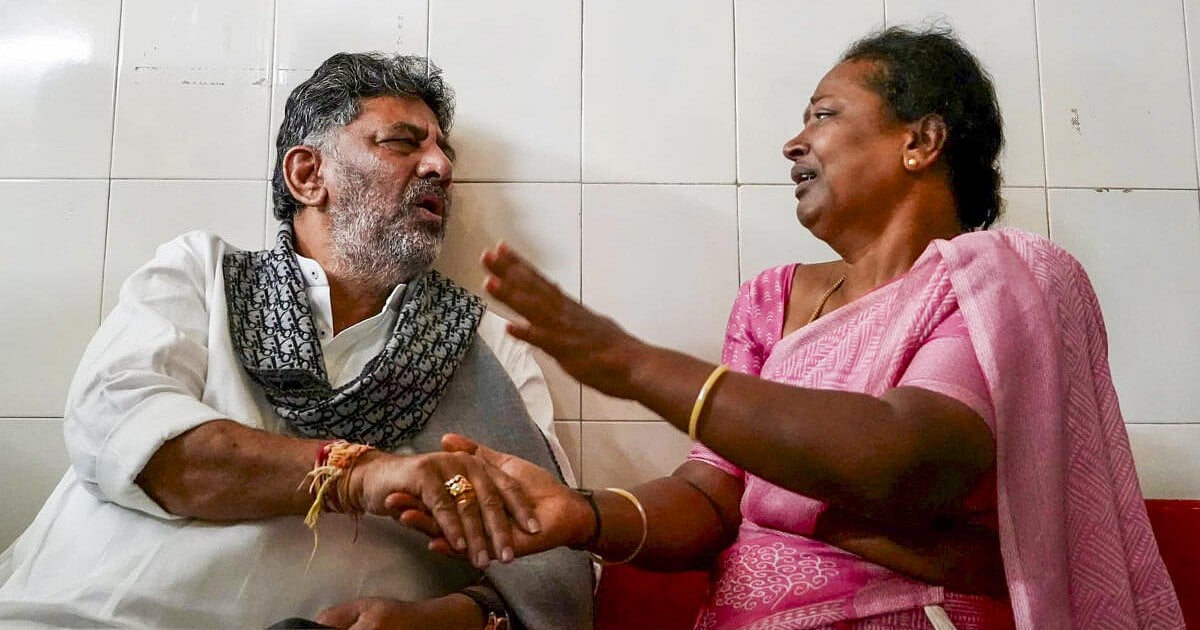
The brief article details the aftermath and political reactions following a stampede in Bengaluru. D K Shivakumar, a prominent political figure, expressed profound sadness and placed blame on the Bharatiya Janata Party (BJP), accusing them of exploiting the tragedy for political gain. His emotional response, emphasizing the shared loss experienced by the community, highlights the sensitivity surrounding the event and the potential for political maneuvering in its wake. The article provides a glimpse into the immediate political landscape following the incident, focusing on accusations and emotional reactions rather than a detailed account of the stampede itself. The lack of specifics regarding the cause of the stampede or the number of casualties necessitates further investigation to gain a comprehensive understanding of the situation. Nevertheless, it serves as a crucial piece of information regarding the political climate surrounding the tragic occurrence. One can also assume given the article, that the relationships between different political factions in India are contentious, and that political figures are ready to take advantage of unfortunate situations to get one over on their political opponents. The article brings to light the inherent challenges of reacting to tragedies in a world that's so politically polarised. It's difficult to not see everything through a political lens, but sometimes the most human response is the one required. There is a great need for compassion and empathy. The blame game that is so often played in the wake of national crises is not only tiresome but incredibly unproductive. It makes it more challenging to uncover the facts behind what occurred and prevent future similar occurrences. It is not a good look, and quite frankly, it's quite callous. This article is representative of many such events.
The article's brevity underscores the importance of seeking additional sources to gain a complete understanding of the Bengaluru stampede and the political fallout. While Shivakumar's accusations against the BJP are noteworthy, further investigation is required to determine the validity of these claims. A comprehensive account of the stampede would include details about the event's cause, the number of casualties, the response from authorities, and the measures being taken to prevent similar incidents in the future. The article's focus on political blame necessitates a balanced perspective, considering viewpoints from all involved parties. It is imperative to assess the BJP's response to Shivakumar's accusations and to investigate whether their actions could be interpreted as politicizing the tragedy. Furthermore, exploring the historical context of political relations between the Congress party (to which Shivakumar likely belongs) and the BJP in Karnataka would shed light on the dynamics at play in this particular situation. Contextual background can provide much needed insight to see what the different incentives are. What do the political parties stand to gain if they are viewed in a certain light, and who is benefitting from all of this?
The emotional tone conveyed in the article, specifically Shivakumar's expression of grief and his description of the victims as 'family members,' highlights the human cost of the stampede. While political considerations are undoubtedly important, it is crucial to acknowledge the suffering of those affected by the tragedy. The article serves as a reminder of the importance of empathy and compassion in times of crisis. Political figures have a responsibility to lead with compassion and to prioritize the well-being of their constituents, even amidst political disagreements. A more comprehensive account of the stampede would include personal stories from the victims and their families, providing a deeper understanding of the tragedy's impact on individuals and communities. These narratives would serve to humanize the event and to counteract the potential for political exploitation. It should also include first responder accounts from those on the ground helping people who have been affected. Hearing about what actually happened and the experience and the emotional impact that it has on them is so important. These people are often overlooked, but have been deeply impacted by the event that's unfolded. Giving them a voice could greatly improve overall understanding of what's occurred. It would also create a better understanding on a wide scale of what measures should be taken to prevent further recurrences.
In conclusion, the provided article offers a brief glimpse into the political aftermath of the Bengaluru stampede, highlighting D K Shivakumar's accusations against the BJP and his emotional response to the tragedy. While the article raises important questions about political exploitation and the need for empathy, it lacks the detailed information required to form a comprehensive understanding of the situation. Further investigation is necessary to determine the cause of the stampede, the number of casualties, the response from authorities, and the validity of Shivakumar's claims. A balanced perspective, considering viewpoints from all involved parties, is crucial to avoid perpetuating political biases. The article serves as a reminder of the importance of seeking diverse sources of information and of prioritizing the well-being of those affected by tragedy. The political fallout that is the result of tragedies is almost as disheartening as the tragedy itself. There needs to be better measures put in place to discourage this kind of political maneuvering, and create a more humane and empathetic environment for both the victims and politicians alike. It makes the political climate quite toxic when such exploitation is not only tolerated but considered a viable strategy to move forward. We need to ensure that facts are at the forefront of any situation, and that people and victims are treated with kindness and compassion. We should also ask, are there steps that can be taken to make sure something like this never happens again? Are there more regulations and guidelines that should be put in place to stop these kinds of events from occurring in the first place? The long term effect of not addressing the core issues will be more tragedies in the future.
Source: Bengaluru Stampede: D K Shivakumar Gets Emotional, Blames BJP for Politicising Tragedy