
 |
|
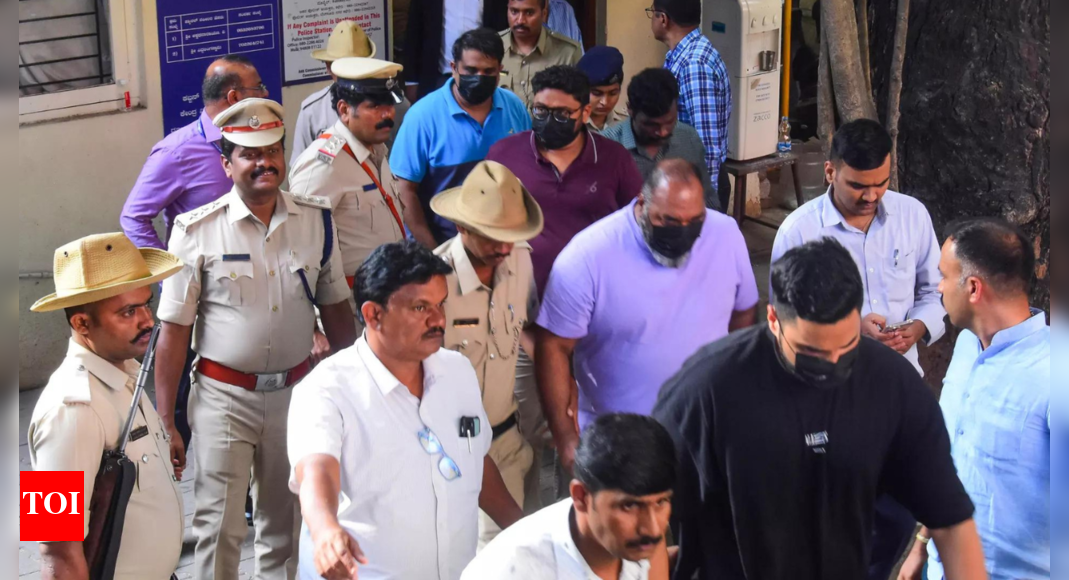
The tragic stampede outside the M Chinnaswamy Stadium in Bengaluru, which resulted in the deaths of eleven people, has led to significant legal and political repercussions. The incident, which occurred during a Royal Challengers Bengaluru (RCB) victory celebration, has prompted swift action from law enforcement, the state government, and the judiciary. The core issue revolves around negligence and responsibility for the safety of the attendees at the event, which drew an unexpectedly large crowd of nearly three lakh people. The article highlights the immediate aftermath, focusing on the arrests and judicial proceedings against key individuals associated with the event's organization and management. Nikhil Sosale, the Head of Marketing and Revenue for RCB, along with three executives from DNA Entertainment Private Limited, the event organizer, were remanded to 14-day judicial custody. This action underscores the severity with which the authorities are treating the matter, indicating a commitment to holding those deemed responsible accountable for their actions or inactions. The legal proceedings are further complicated by Sosale's challenge to the legality of his detention, filed in the Karnataka High Court. His claim of arbitrary arrest and lack of preliminary investigation raises questions about the due process followed in his apprehension. Justice S R Krishna Kumar's decision to adjourn the matter to June 9 without granting interim relief suggests a cautious approach, pending further examination of the evidence and arguments presented. The registration of an FIR against RCB, DNA Entertainment, and the Karnataka State Cricket Association (KSCA) further demonstrates the broad scope of the investigation. The invocation of serious charges, including culpable homicide and illegal assembly, indicates a potential finding of criminal negligence on the part of these entities. The KSCA's response, with senior officials seeking quashing of charges and obtaining interim protection from arrest, reveals the defensive posture adopted by those implicated in the tragedy. The High Court's directive for full cooperation with the investigation underscores the importance of transparency and accountability in the pursuit of justice.
The state government's response to the stampede has been multifaceted, involving not only legal action but also administrative measures. The suspension of senior police officials, including the Bengaluru Police commissioner, reflects a recognition of lapses in crowd control and security measures. Chief Minister Siddaramaiah's defense of the government's actions and accusation of political opportunism by the opposition highlight the politicized nature of the incident. Deputy CM DK Shivakumar's assurance of justice and the handover of the case to the CID further emphasize the government's commitment to a thorough and impartial investigation. The BJP's criticism of the government's actions, alleging pressure-driven responses, underscores the partisan divide in assessing the government's handling of the crisis. The Karnataka High Court's suo motu cognisance of the incident and request for a status report by June 10 demonstrate the judiciary's active oversight and concern for ensuring a comprehensive investigation and appropriate redress. The appointment of a one-man inquiry panel led by a retired judge signals a commitment to an independent and impartial assessment of the events leading up to the stampede. This inquiry will likely focus on identifying systemic failures and recommending measures to prevent similar tragedies in the future. The entire episode underscores the critical importance of event safety protocols, crowd management strategies, and accountability mechanisms in large public gatherings. The investigation and legal proceedings will likely scrutinize the planning, execution, and oversight of the RCB victory celebration, seeking to determine whether adequate measures were taken to ensure the safety of the attendees. The findings will have significant implications for event organizers, sports associations, and government agencies responsible for public safety.
The investigation into the Bengaluru stampede is likely to be a complex and protracted process, involving the examination of witness testimonies, forensic evidence, and event planning documentation. The focus will be on determining the precise sequence of events that led to the deadly crush, identifying the factors that contributed to the overcrowding, and assessing the adequacy of the security measures in place. The legal proceedings against the arrested individuals and the implicated organizations will hinge on establishing a clear chain of causation between their actions or inactions and the resulting deaths and injuries. The concept of negligence, both criminal and civil, will be central to the legal arguments. The prosecution will need to demonstrate that the defendants owed a duty of care to the attendees, that they breached that duty, and that their breach directly caused the harm suffered by the victims. The defense, on the other hand, will likely argue that the defendants took reasonable precautions to ensure the safety of the attendees, that the overcrowding was an unforeseen event, and that they should not be held liable for the tragic consequences. The outcome of the legal proceedings will not only determine the fate of the individuals and organizations involved but also set a precedent for future event safety standards and accountability mechanisms. The case will serve as a stark reminder of the potential consequences of inadequate planning, poor crowd management, and a failure to prioritize public safety. The broader implications of the Bengaluru stampede extend beyond the immediate legal and political ramifications. The tragedy has raised fundamental questions about the responsibility of event organizers, sports associations, and government agencies to ensure the safety of large public gatherings. It has also highlighted the need for more effective crowd management strategies, improved security protocols, and enhanced communication mechanisms to prevent similar incidents in the future.
Furthermore, the incident calls for a critical examination of the regulatory framework governing public events and the enforcement of safety standards. The investigation should focus on identifying any gaps or weaknesses in the existing regulations and recommending measures to strengthen them. This may include stricter licensing requirements for event organizers, more comprehensive safety inspections, and more stringent penalties for violations of safety standards. The Bengaluru stampede also underscores the importance of public awareness and education regarding event safety protocols. Attendees should be informed about the risks associated with large crowds, the importance of following instructions from event staff, and the emergency procedures in place in case of a crisis. Event organizers should also be required to provide clear and accessible information about event safety protocols and emergency procedures. In addition to legal and regulatory measures, technological solutions can also play a role in enhancing event safety. Crowd monitoring systems, using sensors and cameras, can provide real-time data on crowd density and movement, allowing event staff to identify potential bottlenecks and take corrective action. Mobile apps can be used to disseminate information to attendees, provide emergency alerts, and facilitate communication between attendees and event staff. The Bengaluru stampede is a tragic reminder of the importance of prioritizing public safety at large public gatherings. The investigation into the incident should be comprehensive and impartial, and the legal proceedings should be fair and transparent. The outcome of the case should serve as a catalyst for meaningful reforms to prevent similar tragedies in the future. It is essential that event organizers, sports associations, government agencies, and the public work together to ensure that all public events are conducted in a safe and responsible manner. This requires a commitment to meticulous planning, effective crowd management, stringent safety protocols, and a culture of accountability.
In conclusion, the Bengaluru stadium stampede case underscores the convergence of legal, political, and social issues arising from large-scale public events. The swift arrests and judicial proceedings reflect the immediate pressure to assign responsibility, while the ongoing investigations and court challenges reveal the complexities of determining negligence and culpability. The government's response, marked by suspensions and inquiries, highlights the administrative accountability demanded by the public and the opposition's scrutiny. The High Court's intervention ensures judicial oversight and impartiality in the pursuit of justice. Ultimately, the tragedy serves as a potent reminder of the need for rigorous safety measures, effective crowd management, and clear lines of accountability at all public gatherings. The legal and political fallout from this event will undoubtedly shape future regulations and practices, aiming to prevent similar catastrophes and safeguard the well-being of attendees at public events. The lasting impact will depend on the thoroughness of the investigations, the fairness of the legal proceedings, and the commitment of all stakeholders to learn from the past and build a safer future.
Source: Bengaluru Stampede: RCB official, three others sent to 14-day judicial custody