
 |
|
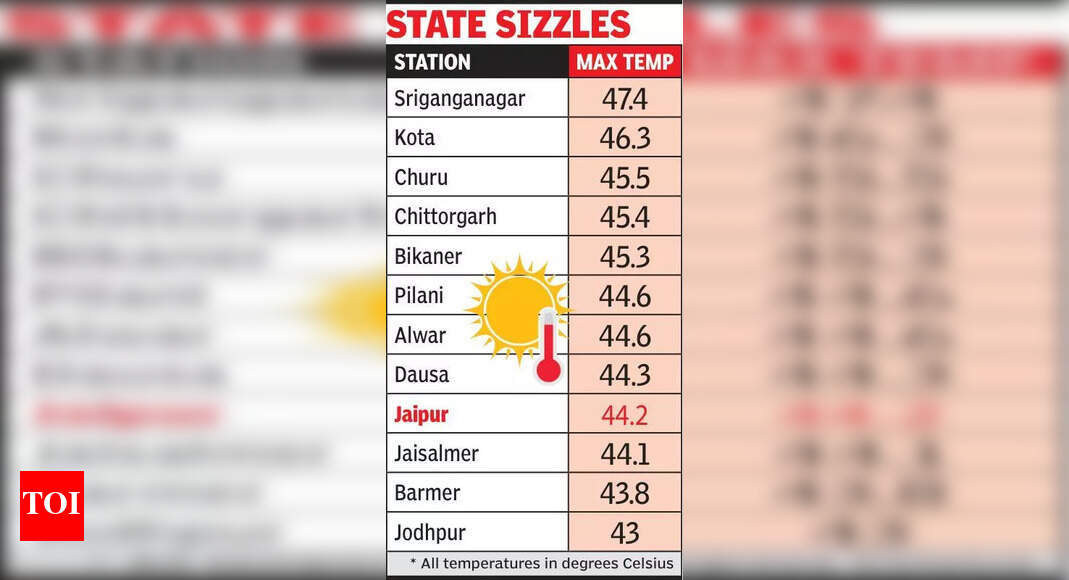
The relentless heat wave gripping Rajasthan has persisted for six consecutive days, subjecting residents to unusually high temperatures and challenging living conditions. According to the Met office, this oppressive weather pattern is expected to continue for another week, bringing little relief to the already strained population. The state is experiencing maximum temperatures significantly above normal, with many areas registering readings 4°C higher than the average for this time of year. This deviation from typical weather patterns underscores the severity and potential impact of the ongoing heat wave. Sriganganagar has emerged as the epicenter of the heat wave, recording a scorching maximum temperature of 47.4°C. This extreme heat places immense pressure on the city's infrastructure and poses significant health risks to its inhabitants. The Met office attributes the prolonged period of high temperatures to the disappearance of factors that typically moderate the weather, such as western disturbances and upper air cyclonic circulation. These atmospheric phenomena play a crucial role in regulating temperature and precipitation, and their absence has contributed to the current heat wave conditions. The Met office has issued warnings indicating that some parts of western Rajasthan are likely to experience even higher temperatures in the coming days, potentially reaching a maximum of 48°C. This forecast raises concerns about the potential for heatstroke and other heat-related illnesses. In Jaipur, the capital city of Rajasthan, residents have been grappling with a maximum temperature of 44.2°C, which is approximately 4°C above the normal average. This elevated temperature is disrupting daily life and placing a burden on the city's resources. The persistent heat wave highlights the vulnerability of Rajasthan to extreme weather events and underscores the need for effective strategies to mitigate the impact of climate change. The extended period of high temperatures is likely to have far-reaching consequences, affecting agriculture, water resources, and public health. Farmers may face crop losses due to the heat, while water supplies may be depleted as demand increases. Public health officials are urging residents to take precautions to protect themselves from the heat, such as staying hydrated, avoiding strenuous activity during peak hours, and seeking shade whenever possible. The heat wave also serves as a reminder of the importance of investing in infrastructure that can withstand extreme weather conditions. This includes developing more resilient water systems, improving energy efficiency, and creating urban environments that are better adapted to high temperatures. The ongoing heat wave in Rajasthan is a complex challenge that requires a coordinated response from government agencies, community organizations, and individuals. By working together, it is possible to mitigate the impact of extreme weather events and build a more sustainable future for the state. The situation also highlights the need for greater awareness of climate change and its potential consequences. By understanding the factors that contribute to extreme weather events, we can take steps to reduce our carbon footprint and protect the environment. The heat wave is a stark reminder of the urgency of addressing climate change and building a more resilient society. The impacts of this heat wave extend beyond just human discomfort. Animals, both domestic and wild, are also suffering from the extreme temperatures. Water sources are drying up, and the lack of shade is making it difficult for animals to regulate their body temperature. This can lead to dehydration, heatstroke, and even death. The agricultural sector is also heavily impacted. Crops are wilting under the intense sun, and farmers are struggling to irrigate their fields. This could lead to food shortages and economic hardship for many families. The government is urging people to conserve water and electricity to help ease the strain on resources. However, more long-term solutions are needed to address the root causes of the problem. This includes investing in renewable energy sources, improving water management practices, and promoting sustainable agriculture. The heat wave is a wake-up call that we need to take climate change seriously and act now to protect our planet. It is not just a problem for Rajasthan; it is a global issue that requires a global solution. We must all do our part to reduce our carbon footprint and create a more sustainable future for generations to come. The longer we wait, the more severe the consequences will be.
Moreover, the current heat wave exacerbates existing inequalities. Vulnerable populations, such as the elderly, the poor, and those with pre-existing health conditions, are disproportionately affected by the extreme heat. These individuals often lack access to adequate cooling, hydration, and healthcare, making them more susceptible to heat-related illnesses. The government and non-governmental organizations must prioritize the needs of these vulnerable populations by providing them with access to resources and support. This could include setting up cooling centers, distributing water and electrolyte solutions, and providing healthcare services to those who need them. Furthermore, it is important to raise awareness about the risks of heat exposure and how to prevent heat-related illnesses. This can be done through public health campaigns, community outreach programs, and educational materials. By empowering people with knowledge and resources, we can help them to protect themselves and their families from the harmful effects of the heat wave. The heat wave also presents challenges for the healthcare system. Hospitals and clinics are seeing an increase in patients with heatstroke, dehydration, and other heat-related illnesses. This puts a strain on already limited resources and can lead to overcrowding and delays in care. The healthcare system must be prepared to respond to the surge in demand by increasing staffing levels, stocking up on supplies, and implementing triage protocols to prioritize the most urgent cases. In addition, it is important to provide healthcare professionals with training on how to recognize and treat heat-related illnesses. This will help them to provide timely and effective care to patients. The heat wave is a complex and multifaceted challenge that requires a coordinated response from all sectors of society. By working together, we can mitigate the impact of the heat wave and protect the health and well-being of the people of Rajasthan. The situation demands immediate attention and long-term planning to address the underlying causes of climate change and build a more resilient future.
The ramifications of prolonged heat waves extend beyond immediate health concerns and touch upon the socioeconomic fabric of affected regions. The agricultural sector, a cornerstone of the Rajasthan economy, faces significant disruption. Crops wither under the unrelenting sun, leading to reduced yields and economic hardship for farmers. Water scarcity intensifies as demand for irrigation increases, further exacerbating the challenges faced by the agricultural community. The impact on livestock is equally concerning, with animals suffering from heat stress and dehydration, potentially leading to decreased productivity and increased mortality rates. This, in turn, affects the livelihoods of those dependent on animal husbandry. The disruption to agricultural activities can also have cascading effects on food security and market prices, potentially impacting the affordability of essential food items for consumers. Furthermore, the heat wave can impact labor productivity, particularly for those working outdoors in sectors such as construction, agriculture, and transportation. The extreme heat can lead to fatigue, decreased concentration, and increased risk of accidents, affecting both the quality and quantity of work performed. This can have a negative impact on economic output and the livelihoods of workers. The tourism sector, another important contributor to the Rajasthan economy, may also experience a downturn as visitors are deterred by the extreme heat. This can lead to reduced revenue for hotels, restaurants, and other businesses that cater to tourists. In addition to the economic impacts, heat waves can also strain infrastructure systems. Increased demand for electricity to power air conditioning units can overload power grids, leading to blackouts and disruptions in services. Water supply systems may also struggle to keep up with increased demand, leading to water shortages and rationing. Addressing these socioeconomic challenges requires a comprehensive and multi-pronged approach. This includes providing financial assistance to farmers and businesses affected by the heat wave, investing in infrastructure improvements to enhance resilience to extreme weather events, and implementing policies to promote sustainable economic development. It is also crucial to raise awareness about the economic risks associated with climate change and to encourage businesses and individuals to adopt practices that reduce their carbon footprint. By taking proactive steps to address the socioeconomic impacts of heat waves, we can help to build a more resilient and sustainable economy for Rajasthan and other regions facing similar challenges. The long-term solution involves transitioning to a low-carbon economy and promoting sustainable development practices that mitigate the effects of climate change.