
 |
|
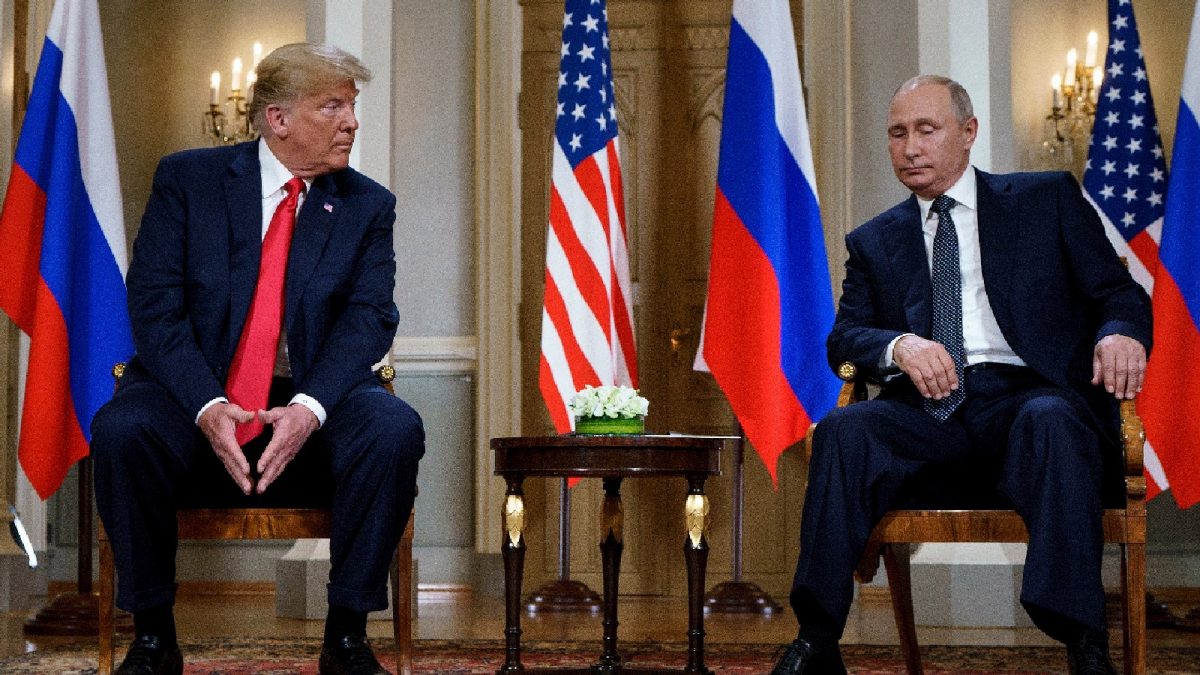
The recent phone call between Russian President Vladimir Putin and former US President Donald Trump has reignited discussions surrounding the ongoing conflict in Ukraine and the potential for escalating tensions. The Kremlin confirmed that Putin informed Trump of Moscow's intentions to carry out retaliatory strikes against Ukraine, following a major Ukrainian drone attack on airbases within Russia. This revelation raises crucial questions about the dynamics of the conflict, the roles of international actors, and the prospects for a peaceful resolution. The confirmation of the phone call and the content of their conversation provide a glimpse into the complex web of relationships and strategic calculations that underpin the geopolitical landscape surrounding the war. Trump's assertion that Putin vowed to retaliate underscores the heightened state of alert and the potential for further escalation. The drone attack, which targeted what Kyiv claimed were nuclear-capable long-range bombers, represents a significant escalation of hostilities and a demonstration of Ukraine's capacity to strike deep within Russian territory. The Kremlin's response, as communicated to Trump, suggests a determination to maintain control over the narrative and to project strength in the face of perceived provocations. The implications of these retaliatory strikes are far-reaching, potentially leading to further civilian casualties, infrastructure damage, and displacement of populations. The international community must closely monitor the situation and work towards de-escalation to prevent a wider conflict. The role of the United States in this crisis is particularly significant, given its history of support for Ukraine and its position as a major global power. Trump's communication with Putin, regardless of his current political status, carries weight and can influence the trajectory of the conflict. His warning that the phone call would not lead to immediate peace underscores the deep-seated challenges in resolving the crisis and the need for sustained diplomatic efforts. The fact that this was the first direct communication between the two leaders since the drone strike highlights the breakdown in communication channels and the urgency of re-establishing dialogue. According to Russian presidential aide Yury Ushakov, Trump told Putin that the United States had not been informed in advance of the Ukrainian attack. This assertion raises questions about the level of coordination and trust between Ukraine and its allies. The use of smuggled drones in the attack suggests a clandestine operation, potentially complicating efforts to trace the origins of the weapons and hold those responsible accountable. Ukraine's Minister of Strategic Industries Yuriy Sak expressed disappointment over what he perceived as a weak response from Washington. He stated that Kyiv had hoped for stronger sanctions and more pressure from the US in response to Russian missile and drone attacks on Ukrainian cities. This sentiment reflects the ongoing debate within Ukraine and among its supporters regarding the appropriate level of international intervention and the effectiveness of existing sanctions. Trump's veiled ultimatum, suggesting he would reconsider US engagement if Putin was dragging out peace efforts, adds another layer of complexity to the situation. His statement that Putin was "tapping me along" implies a perception that Russia is not serious about finding a resolution. The two-week timeline for Russia to show progress towards ending the war suggests a sense of impatience and a desire to exert pressure on Putin. Trump's earlier criticism of Putin, calling him "absolutely crazy" and accusing him of "playing with fire," reveals a shift in tone compared to his previous interactions with the Russian leader. This change in rhetoric may reflect a growing frustration with Russia's actions and a recognition of the need to take a firmer stance. Ukrainian President Volodymyr Zelensky's frustration over continued international dialogue with Moscow underscores the lack of progress in achieving a lasting peace. His statement that "many have spoken with Russia at various levels, but none of these talks have brought a reliable peace" highlights the need for a new approach to diplomacy. Zelensky's warning that a weak response to Putin's threats would be interpreted as a readiness to turn a blind eye to his actions suggests a concern that the international community is not taking the crisis seriously enough. The article highlights the complex interplay of political, military, and diplomatic factors that are shaping the conflict in Ukraine. The communication between Putin and Trump, the Ukrainian drone attack, the international responses, and the domestic political considerations all contribute to a highly volatile and unpredictable situation. A comprehensive understanding of these factors is crucial for policymakers and analysts seeking to navigate the crisis and promote a peaceful resolution. The potential for escalation remains a major concern, and all parties must exercise restraint and prioritize de-escalation. The international community has a responsibility to provide humanitarian assistance to those affected by the conflict and to support efforts to rebuild the country once the fighting has stopped. Ultimately, a lasting peace will require a commitment to dialogue, compromise, and respect for international law.
Understanding the broader context surrounding the Putin-Trump phone call is critical for analyzing its significance. The relationship between Russia and the United States has been strained for years, with disagreements over issues such as NATO expansion, arms control, and alleged Russian interference in US elections. The conflict in Ukraine has further exacerbated these tensions, as the United States and its allies have provided military and financial support to Kyiv. Trump's approach to Russia has been characterized by a degree of ambiguity and inconsistency. While he has occasionally criticized Putin's actions, he has also expressed admiration for the Russian leader and questioned the consensus view that Russia poses a threat to the United States. This approach has often put him at odds with members of his own administration and with the broader foreign policy establishment. The Ukrainian drone attack on Russian airbases represents a significant escalation of the conflict, as it demonstrates Ukraine's willingness to strike targets deep within Russian territory. The attack was likely intended to disrupt Russian military operations and to send a message that Ukraine is capable of defending itself against aggression. However, it also carries the risk of provoking a stronger response from Russia. The Kremlin's decision to inform Trump of its plans to retaliate suggests an attempt to manage the narrative and to potentially seek some form of tacit approval from the United States. It also highlights the importance that Russia places on its relationship with the United States, even during times of heightened tension. The international response to the conflict has been mixed, with some countries providing strong support to Ukraine and others maintaining a more neutral stance. The European Union has imposed sanctions on Russia and provided financial assistance to Ukraine, but there are divisions within the EU regarding the severity of the sanctions and the level of support that should be provided. The United Nations has called for a peaceful resolution to the conflict, but its efforts have been hampered by Russia's veto power in the Security Council. The domestic political situation in both Russia and Ukraine is also relevant to understanding the conflict. Putin's approval ratings remain high in Russia, despite the economic challenges and international isolation that the country faces. However, there is also a growing sense of unease among some segments of the population regarding the war in Ukraine. Zelensky's popularity has soared in Ukraine since the start of the conflict, as he has been praised for his leadership and his determination to defend the country. However, he also faces significant challenges in maintaining national unity and addressing the economic and social consequences of the war. The potential for a negotiated settlement to the conflict remains uncertain. Russia has repeatedly stated that it is willing to negotiate, but it has also insisted on maintaining control over the territories that it has occupied in Ukraine. Ukraine has stated that it is willing to negotiate, but it has also insisted on the full restoration of its territorial integrity. The prospects for a breakthrough in negotiations will depend on a number of factors, including the willingness of both sides to compromise, the level of international pressure on Russia, and the domestic political situation in both countries. A prolonged conflict in Ukraine would have serious consequences for the region and the world. It could lead to further civilian casualties, infrastructure damage, and displacement of populations. It could also destabilize the region and create new opportunities for extremist groups. The international community must work together to prevent a wider conflict and to promote a peaceful resolution to the crisis.
The long-term implications of the Putin-Trump phone call extend beyond the immediate context of the conflict in Ukraine. The call raises broader questions about the future of US-Russia relations and the role of the United States in the international arena. Trump's willingness to communicate with Putin, even after Russia's invasion of Ukraine, suggests a different approach to foreign policy than that of many other US politicians. Trump has consistently advocated for closer ties with Russia, arguing that cooperation between the two countries is necessary to address global challenges such as terrorism and nuclear proliferation. Critics of Trump's approach argue that it is naive and that it ignores Russia's aggressive behavior and its disregard for international norms. They argue that the United States should maintain a firm stance against Russia and work with its allies to deter further aggression. The conflict in Ukraine has also raised questions about the future of NATO. Some analysts argue that the conflict has demonstrated the importance of NATO and that the alliance should be strengthened to deter further Russian aggression. Others argue that NATO's expansion has contributed to the tensions with Russia and that the alliance should adopt a more cautious approach. The economic consequences of the conflict are also significant. The sanctions imposed on Russia have disrupted global supply chains and contributed to rising inflation. The war has also led to a significant increase in energy prices, which has hurt consumers and businesses around the world. The long-term impact of the conflict on the global economy remains uncertain. The conflict in Ukraine has also highlighted the importance of cyber security. Both Russia and Ukraine have been engaged in cyber warfare since the start of the conflict, and there is a risk that these attacks could spill over into other countries. Governments and businesses need to take steps to protect themselves from cyber attacks and to enhance their cyber security capabilities. The conflict in Ukraine has also underscored the importance of international law and the need to uphold the principles of sovereignty and territorial integrity. Russia's invasion of Ukraine violated international law and has been condemned by the vast majority of the international community. The international community must continue to hold Russia accountable for its actions and to support efforts to uphold international law. The conflict in Ukraine is a complex and multifaceted crisis with far-reaching implications. A comprehensive understanding of the historical, political, economic, and security dimensions of the conflict is necessary to develop effective strategies for promoting a peaceful resolution. The United States and its allies must work together to support Ukraine, deter further Russian aggression, and uphold international law. The future of US-Russia relations, the future of NATO, and the future of the global order are all at stake. The Putin-Trump phone call is just one piece of the puzzle, but it provides a valuable insight into the dynamics of the conflict and the challenges of navigating a complex and dangerous world. Ultimately, a lasting peace in Ukraine will require a commitment to dialogue, diplomacy, and a willingness to compromise on all sides. The international community must be prepared to play a constructive role in facilitating this process and to help rebuild the country once the fighting has stopped.
Source: Putin Warned Trump Of Retaliatory Strikes On Ukraine, Kremlin Confirms After Call