
 |
|
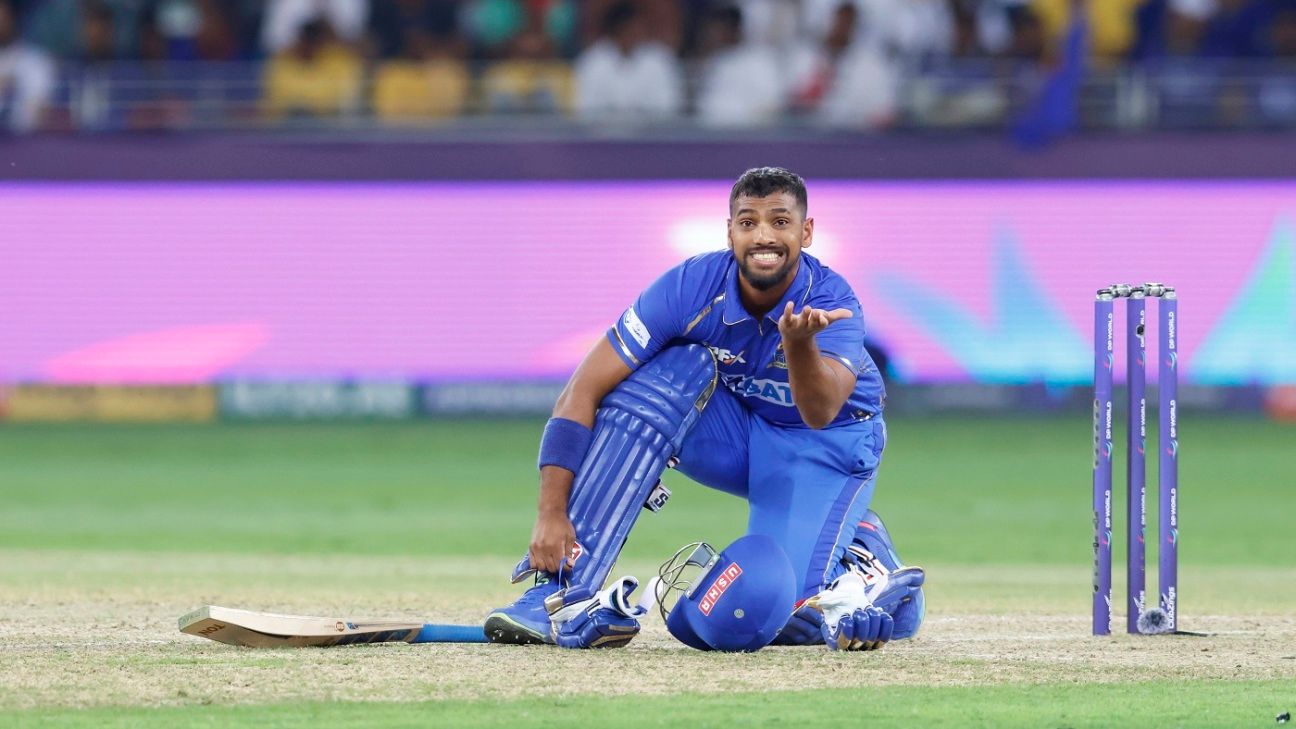
The recent retirements of Nicholas Pooran and Heinrich Klaasen from international cricket, while perhaps not sparking the same level of global outcry as some others, nonetheless represent a significant shift in the dynamics of the sport. Both players, renowned for their explosive hitting in the middle order, have opted to prioritize franchise cricket over the demands and perceived limitations of the international game. Their decisions highlight a growing trend among modern cricketers, particularly those from boards with less financial security, to seek greater financial rewards and a more manageable workload through participation in various T20 leagues around the world. The article emphasizes that these retirements shouldn't be viewed as a lack of commitment to cricket or a diminished sense of national pride, but rather as a pragmatic response to the current state of international cricket, particularly the oversaturation of often-meaningless bilateral series. The numbers starkly illustrate this point: a vast majority of Pooran's and Klaasen's international white-ball appearances lacked the high stakes and competitive intensity of ICC World Cups. This glut of inconsequential matches, coupled with the substantial financial incentives offered by franchise leagues, makes the decision to step away from international duty a more compelling one. The comparison to Chris Gayle is apt, as Gayle paved the way for a career path that prioritized longevity and financial security through T20 leagues. Gayle never explicitly retired from international duty, but his career trajectory foreshadowed the current trend of players increasingly viewing franchise cricket as a viable, and often more attractive, alternative to the international game. The author uses the phrase 'quiet-quitting' to describe this trend, suggesting that players are not necessarily abandoning cricket altogether, but rather strategically shifting their focus to maximize their earnings and minimize the physical and mental toll of constant international travel. The examples of Pooran and Klaasen immediately joining Major League Cricket after their retirements further underscore this point. They are not leaving cricket; they are simply redefining their relationship with the sport, prioritizing leagues with higher pay and more concentrated periods of play. The article also touches upon the broader implications of these retirements for the future of international cricket. The smaller cricket boards, dependent on ICC revenue distribution, are caught in a vicious cycle. They need more revenue to retain their best players, which necessitates more ICC events, which, in turn, require players to participate in bilateral series as preparation. This system places immense pressure on players, forcing them to choose between representing their country and securing their financial future. The author cites a post on the Broken Cricket Dreams blog to illustrate the significant difference in earning potential between international cricket and franchise leagues. This disparity in income is a major factor driving the exodus of players from international cricket. The article contrasts Virat Kohli's view that Test cricket remains the pinnacle of the sport with Andre Russell's perspective on the financial realities faced by West Indian cricketers. While Kohli, with his lucrative central contract, can afford to prioritize Test cricket, players from smaller boards often lack the same financial security and are therefore more likely to prioritize franchise leagues. Russell's comments highlight the inherent inequality within the sport, where players from wealthy nations can afford to prioritize national duty, while those from less financially secure backgrounds are compelled to prioritize their earning potential. The article concludes by suggesting that the decisions of Pooran and Klaasen represent a broader shift in the mindset of modern cricketers. While they may not be representative of an older generation who prioritized international cricket, their actions are indicative of a growing trend that will likely continue to shape the future of the sport. The question of whether international white-ball cricket can remain relevant in the face of this growing trend remains to be seen.
The exodus of players like Pooran and Klaasen raises critical questions about the future viability and allure of international cricket, especially outside the realm of major tournaments. The author rightly points to the overwhelming glut of bilateral series that often feel devoid of meaningful context or stakes. For players who are increasingly aware of their market value and the physical toll of a year-round schedule, the prospect of slogging through these matches, often for comparatively meager compensation, becomes less and less appealing. Compare this to the focused intensity and lucrative payouts of franchise leagues like the IPL, Major League Cricket, the BBL, and others, and the choice becomes far less clear-cut. International boards need to seriously reconsider the structure and scheduling of their calendars. Reducing the number of inconsequential bilateral matches and focusing on creating more meaningful contests is essential to preserving the appeal of international cricket. This could involve exploring different formats, such as shorter tours, more triangular series, or incorporating league structures into the international calendar. The ICC also has a crucial role to play in ensuring a more equitable distribution of revenue. The current system disproportionately benefits the larger, wealthier boards, leaving smaller boards struggling to compete and retain their best players. A more even distribution of resources would allow these boards to offer more competitive contracts, making international cricket a more attractive option for their players. Beyond financial incentives, international cricket also needs to offer players a more compelling narrative. The history and legacy of international cricket are undeniable, but the game needs to evolve to remain relevant to a new generation of players who are increasingly driven by a desire for immediate gratification and financial security. This could involve creating more opportunities for players to build their personal brands, showcasing their skills on a global stage, and celebrating the achievements of international players in a more meaningful way. The disconnect highlighted by the article between Kohli's perspective on the primacy of Test cricket and Russell's stark reminder of the financial realities faced by West Indian cricketers is crucial. Kohli, secure in his BCCI contract, can afford to prioritize the prestige of Test cricket. However, for many players from financially weaker boards, that prestige simply doesn't pay the bills. The IPL, and other leagues, have effectively created a parallel universe within cricket. In this universe, players can earn significantly more money, play in front of packed crowds, and compete at a high level without the constant pressure and scrutiny of international cricket. This parallel universe is becoming increasingly attractive to players, particularly those who are nearing the end of their careers or who are struggling to break into their national teams. The long-term consequences of this trend are difficult to predict, but it is clear that international cricket needs to adapt if it wants to remain the pinnacle of the sport. This requires a fundamental rethinking of the way the game is structured, financed, and promoted.
Furthermore, the comparison to Chris Gayle, a pioneer of the T20 era, is particularly insightful. Gayle's career demonstrated the viability of forging a successful and financially rewarding career primarily through franchise cricket. He played international cricket on his own terms, prioritizing his personal brand and earning potential. This paved the way for players like Pooran and Klaasen, who are now making similar choices. The phrase 'quiet-quitting' used by the author encapsulates the nuanced nature of these retirements. It's not a wholesale abandonment of cricket, but rather a strategic recalibration. These players are not necessarily disloyal to their countries; they are simply prioritizing their own well-being and financial security within the existing framework of the sport. The Major League Cricket examples are particularly relevant. The immediate transition of Pooran and Klaasen to captaincy roles in MLC demonstrates their continued commitment to the game, albeit in a different format. They are not retiring from cricket; they are merely redirecting their energies to a league that offers a better balance between competitive cricket and financial reward. The article's analysis of the vicious cycle faced by smaller boards is also crucial. The reliance on ICC revenue, the need for more ICC events, and the pressure to participate in bilateral series create a system that ultimately disadvantages both the players and the boards themselves. This cycle needs to be broken, and a more sustainable model for international cricket needs to be developed. This might involve exploring alternative revenue streams, streamlining the international calendar, and empowering smaller boards to make their own decisions about their players' participation in international cricket. The article correctly identifies that Kohli's perspective on the primacy of Test cricket, while undoubtedly heartfelt, is not universally shared. His privileged position within the Indian cricket system allows him to prioritize Test cricket, a luxury not afforded to many other players. Russell's comments serve as a crucial counterpoint, highlighting the financial realities faced by players from financially weaker boards. The IPL triumph ranking debate is therefore a microcosm of the larger issue facing cricket. It highlights the tension between the tradition and prestige of international cricket and the growing allure and financial power of franchise leagues. The ultimate decision of Pooran and Klaasen to prioritize franchise cricket sends a clear message: the financial and competitive incentives offered by these leagues are simply too compelling to ignore. This is a wake-up call for international cricket. It needs to adapt, innovate, and create a more equitable and sustainable model if it wants to retain its relevance and appeal in the years to come.
The financial disparity between international cricket and franchise leagues is a fundamental driver of this shift. Players recognize that their earning potential in franchise cricket far outweighs what they can earn representing their country, especially in bilateral series. This is particularly true for players from smaller boards, where central contracts offer less financial security. The risk-reward calculation heavily favors franchise cricket, where players can earn significant sums of money in a relatively short period of time. This allows them to secure their financial future and provide for their families. The international calendar is also a major factor. The constant travel and demanding schedule of international cricket take a significant toll on players' physical and mental health. The relentless pressure to perform, the scrutiny of the media, and the constant time away from family can lead to burnout and exhaustion. Franchise leagues offer a more manageable schedule, allowing players to spend more time at home and focus on their well-being. The shorter seasons and fewer commitments of franchise leagues also allow players to prolong their careers. By reducing the physical strain on their bodies, players can continue to play at a high level for longer. This is particularly important for players who are nearing the end of their careers or who have suffered injuries. Franchise leagues also offer players more control over their careers. They can choose which leagues to participate in, and they can negotiate their own contracts. This gives them more autonomy and allows them to tailor their careers to their individual needs and preferences. In contrast, international cricket often feels more restrictive, with players subject to the whims of their national boards. The article highlights the lack of meaningful context in many bilateral series. These matches often feel like meaningless warm-ups for major tournaments, and they lack the excitement and intensity of franchise leagues. Players are increasingly questioning the value of participating in these series, especially when they could be earning more money and playing in more competitive environments in franchise leagues. The author's use of the term 'quiet-quitting' is a clever way to describe the trend of players gradually withdrawing from international cricket. It's not a dramatic resignation, but rather a gradual shift in priorities. Players are not necessarily abandoning their national teams, but they are increasingly prioritizing franchise cricket over international cricket. This trend is likely to continue as franchise leagues continue to grow in popularity and financial power. International cricket needs to respond by making itself more attractive to players. This means offering more competitive salaries, reducing the burden of the international calendar, and creating more meaningful contests. If it fails to do so, it risks losing its best players to franchise leagues and becoming increasingly irrelevant in the modern cricketing landscape.
Source: How much of a loss are Pooran's and Klaasen's retirements to international cricket?