
 |
|
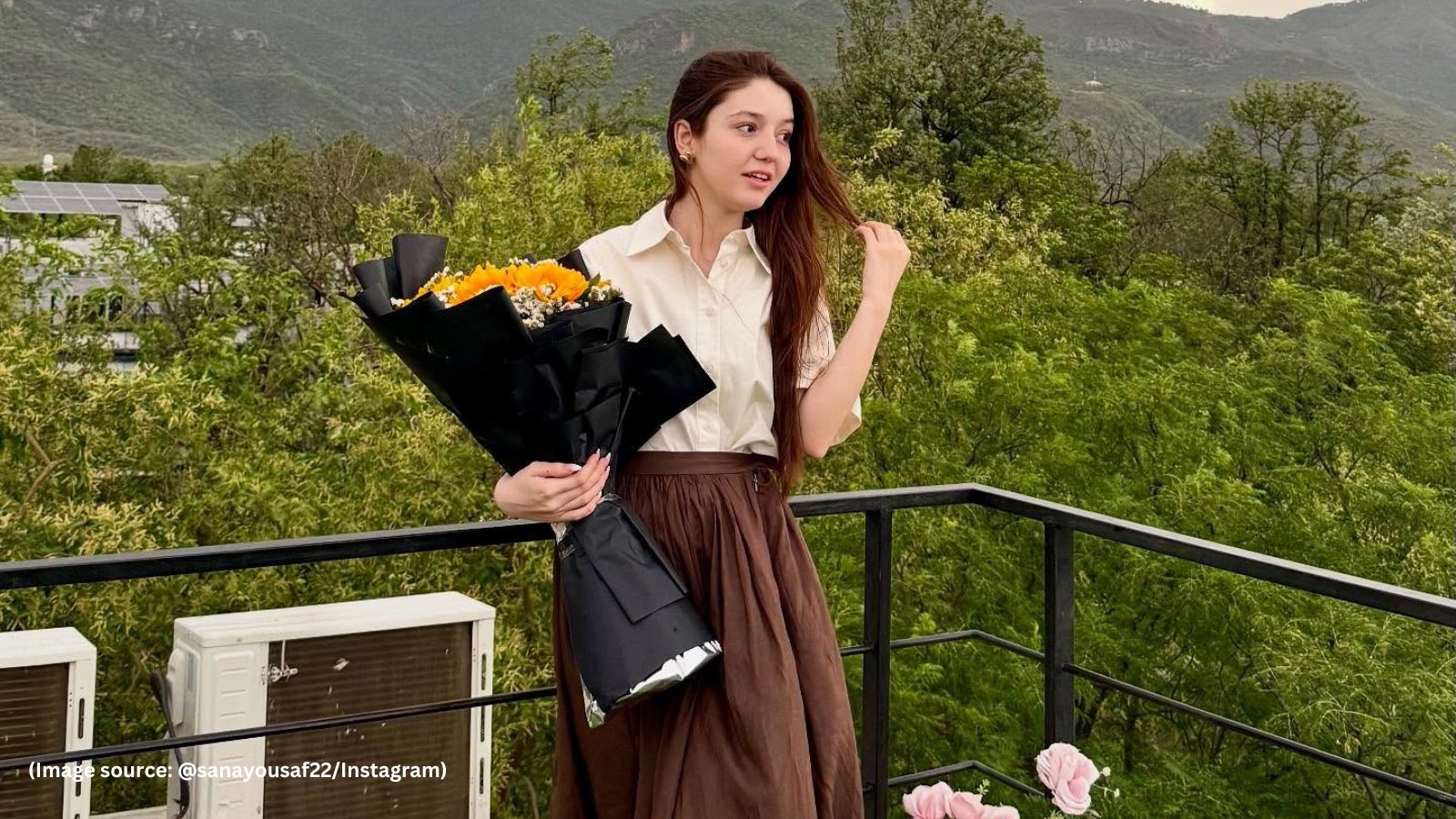
The tragic death of Sana Yousaf, a 17-year-old Pakistani social media influencer, has sent shockwaves through the online community and sparked outrage both within Pakistan and internationally. Yousaf, known for her vibrant TikTok and Instagram presence, was reportedly shot dead inside her home in Islamabad on Monday, a devastating event that highlights the persistent dangers faced by women, particularly those in the public eye, in certain regions of the world. The circumstances surrounding her death are still under investigation, with police exploring various angles, including the possibility of an “honor killing,” a term that refers to the abhorrent practice of murdering a family member, usually a woman, for perceived transgressions against the family's honor. This potential motive underscores the deep-seated patriarchal attitudes and societal norms that continue to fuel violence against women in some cultures. Sana Yousaf’s story is not an isolated incident; it is a stark reminder of the ongoing struggle for gender equality and the need for greater protection and support for women who dare to challenge traditional expectations. The fact that she was an influencer, using her platform to promote Chitrali traditions, women’s rights, and education, makes her death all the more poignant, as it suggests that her activism may have been a contributing factor to the violence she faced. This chilling possibility serves as a warning about the risks associated with speaking out against injustice and the importance of creating safer spaces for women to express themselves and advocate for change. The investigation into Yousaf’s death must be thorough and transparent, and those responsible for this heinous crime must be brought to justice. Furthermore, it is crucial to address the underlying social and cultural factors that contribute to violence against women, including discriminatory laws, harmful stereotypes, and a lack of accountability for perpetrators. Education, awareness campaigns, and legal reforms are all necessary to dismantle these harmful norms and create a more just and equitable society for all. The international community also has a role to play in supporting efforts to combat violence against women in Pakistan and other countries where such practices persist. This includes providing funding for organizations working to protect women’s rights, raising awareness about the issue, and holding governments accountable for their failure to address it. Sana Yousaf’s legacy should be one of empowerment and resistance. Her voice, silenced by violence, must be amplified by others who are committed to fighting for a world where women are safe, respected, and free to pursue their dreams without fear. Her story should serve as a catalyst for change, inspiring individuals and communities to take action to end violence against women and create a more just and equitable world for all. The focus needs to be on prevention, intervention, and accountability, ensuring that perpetrators are held responsible for their actions and that victims receive the support they need to heal and rebuild their lives. This requires a multi-faceted approach that addresses the root causes of violence, challenges harmful social norms, and empowers women to assert their rights. It also requires the active participation of men and boys, who must be engaged as allies in the fight against gender-based violence. By working together, we can create a world where every woman and girl can live free from fear and violence.
The details emerging from the initial reports paint a grim picture. Yousaf was allegedly shot at close range by a relative after a brief conversation outside her home. The suspect then fled the scene, prompting a manhunt by law enforcement. This suggests a premeditated act of violence, possibly fueled by a personal vendetta or, as the police suspect, an honor-related motive. The fact that the attacker may have been a guest at her residence further complicates the situation and raises questions about the safety and security of women within their own homes. It also highlights the vulnerability of women who are perceived to have transgressed societal norms or challenged traditional expectations. The media’s role in reporting on such cases is also crucial. While it is important to raise awareness about violence against women, it is equally important to do so in a responsible and sensitive manner, avoiding sensationalism or the perpetuation of harmful stereotypes. The focus should be on providing accurate information, highlighting the systemic nature of the problem, and promoting solutions that empower women and hold perpetrators accountable. In addition to the legal and social dimensions of the issue, there is also a psychological aspect to consider. Violence against women can have devastating consequences for the victims, their families, and their communities. It can lead to trauma, depression, anxiety, and a range of other mental health problems. Therefore, it is essential to provide victims with access to comprehensive mental health services, including counseling, therapy, and support groups. These services should be culturally sensitive and tailored to the specific needs of the victims. Furthermore, it is important to create a supportive environment where victims feel safe to come forward and seek help without fear of judgment or retaliation. This requires challenging the stigma associated with violence against women and promoting a culture of empathy and understanding. The role of education in preventing violence against women cannot be overstated. By teaching young people about gender equality, respect, and healthy relationships, we can help to break the cycle of violence and create a more just and equitable society. Education should start at an early age and continue throughout life, both in schools and in the community. It should also involve parents, teachers, and other influential figures in the lives of young people. In addition to formal education, it is also important to raise awareness about violence against women through public campaigns, social media, and other channels. These campaigns should aim to challenge harmful stereotypes, promote positive attitudes towards women, and encourage bystanders to intervene when they witness acts of violence.
Sana Yousaf's story is a microcosm of a larger global issue. Violence against women is a pervasive problem that affects women and girls of all ages, backgrounds, and socioeconomic statuses. It takes many forms, including physical, sexual, psychological, and economic violence. It is a violation of human rights and a major obstacle to achieving gender equality and sustainable development. According to the United Nations, one in three women worldwide has experienced physical or sexual violence, mostly by an intimate partner. This is a staggering statistic that underscores the urgent need for action. The consequences of violence against women are far-reaching and can have a devastating impact on the lives of victims, their families, and their communities. It can lead to physical injuries, mental health problems, economic hardship, and social isolation. It can also perpetuate cycles of poverty and inequality. Addressing violence against women requires a comprehensive and multi-faceted approach that tackles the root causes of the problem, challenges harmful social norms, and empowers women to assert their rights. This includes strengthening legal frameworks, improving access to justice, providing support services for victims, and promoting education and awareness. It also requires engaging men and boys as allies in the fight against gender-based violence. Many countries have made progress in addressing violence against women, but much more remains to be done. There is a need for greater political will, increased funding, and more effective implementation of policies and programs. There is also a need for greater collaboration and coordination among governments, civil society organizations, and the international community. The Sustainable Development Goals (SDGs) include a specific target (5.2) to eliminate all forms of violence against women and girls in the public and private spheres, including trafficking and sexual and other types of exploitation. Achieving this target will require a concerted effort by all stakeholders. As we mourn the loss of Sana Yousaf, let us recommit ourselves to the fight against violence against women and work towards a world where every woman and girl can live free from fear and violence. Her memory should serve as a reminder of the urgent need for change and a source of inspiration for action. The pursuit of justice for Sana and countless others demands unwavering commitment, collaborative efforts, and a societal transformation that values and protects the lives of all women.
Source: Who is Sana Yousaf, 17-year-old influencer shot dead at home in Pakistan?