
 |
|
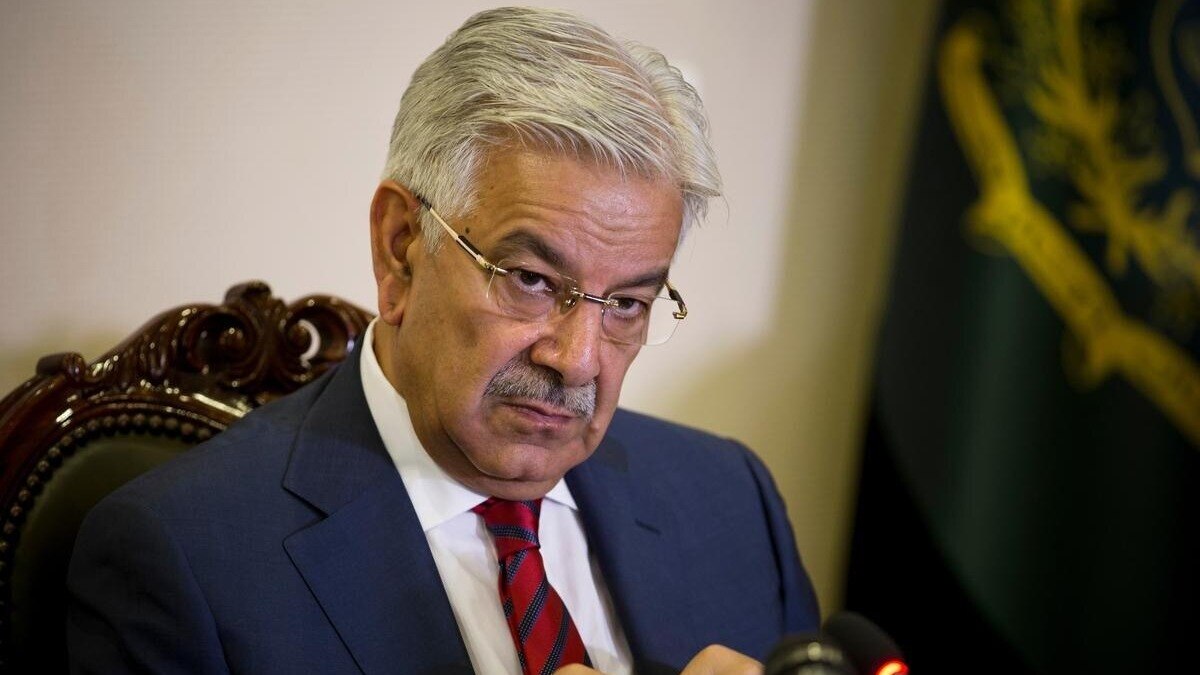
The confirmation by Pakistan's Defence Minister Khawaja Asif that China is sharing intelligence on India marks a significant development in the geopolitical landscape of South Asia. This public admission, made in the context of heightened tensions and military alertness following Operation Sindoor, underscores the deepening strategic alliance between China and Pakistan and its implications for regional stability. The implications are far-reaching, affecting the security dynamics, diplomatic relations, and overall balance of power in the region. The sharing of intelligence, particularly satellite-derived information, provides Pakistan with enhanced situational awareness regarding Indian military deployments and activities. This can be used to improve Pakistan's defensive capabilities and potentially inform its strategic decision-making in the event of future conflicts or crises. It also strengthens the strategic alignment between China and Pakistan, signaling a united front against perceived Indian aggression. India will likely view this intelligence sharing as a direct threat to its national security and a further escalation of the strategic competition in the region. This could lead to increased military spending, enhanced surveillance capabilities, and a more assertive foreign policy towards both China and Pakistan. The development also complicates the existing web of alliances and rivalries in South Asia. Other regional actors, such as Afghanistan, Bangladesh, and Sri Lanka, may be forced to reassess their own strategic alignments in light of the evolving China-Pakistan nexus. The situation is further complicated by the ongoing territorial disputes between India and both China and Pakistan. The unresolved issues of Kashmir and the Line of Actual Control (LAC) continue to be flashpoints for potential conflict, and the intelligence sharing agreement could exacerbate these tensions. The international community will likely express concern over the development, particularly the United States and other Western powers that have been seeking to contain China's growing influence in the region. They may urge both China and Pakistan to exercise restraint and engage in dialogue to de-escalate tensions.
The reasons for China's intelligence sharing with Pakistan are multifaceted and rooted in its broader strategic objectives in the region. Firstly, China views Pakistan as a key ally in its efforts to counter India's growing influence. By providing Pakistan with intelligence support, China aims to strengthen its own position in the regional balance of power. Secondly, China has its own territorial disputes with India along the Line of Actual Control (LAC), and the intelligence sharing agreement could be seen as a way to exert pressure on India to resolve these disputes on terms favorable to China. Thirdly, China's Belt and Road Initiative (BRI) relies heavily on the China-Pakistan Economic Corridor (CPEC), which passes through disputed territory in Kashmir. China has a strong interest in ensuring the security and stability of the CPEC, and the intelligence sharing agreement could be seen as a way to protect its investments in the region. From Pakistan's perspective, the intelligence sharing agreement with China provides a valuable resource for enhancing its security and countering what it perceives as Indian aggression. Pakistan has long sought to achieve strategic parity with India, and the intelligence support from China helps to level the playing field. Furthermore, the agreement strengthens Pakistan's alliance with China, providing it with a powerful ally in the face of regional challenges. Pakistan's confirmation that its military remains on high alert since the 'short conflict' or `small war' with India reflects the heightened state of tension and the precarious security environment in the region. It signals a readiness to respond to any potential threats or escalations from the Indian side. The continued alert status underscores Pakistan's concerns about India's intentions and its determination to defend its sovereignty and territorial integrity.
The ceasefire agreement reached more than a month ago, following intensified hostilities sparked by the Pahalgam attack and India's launch of Operation Sindoor, has brought a temporary lull in the fighting. However, the underlying tensions remain unresolved. The fact that India has continued to implement punitive measures in the aftermath of the ceasefire suggests that it is not fully satisfied with the outcome of the conflict and is seeking to exert pressure on Pakistan. The ceasefire agreement was brokered through direct talks between Indian and Pakistani officials, with Islamabad accepting the ceasefire on terms of “no preconditions, no postconditions, and no links to other issues.” This suggests that Pakistan was eager to de-escalate the conflict and avoid further bloodshed. However, the long-term prospects for peace in the region remain uncertain. The unresolved territorial disputes, the deep-seated mistrust between the two countries, and the involvement of external actors such as China all contribute to the ongoing instability. The intelligence sharing agreement between China and Pakistan has the potential to further complicate the situation and increase the risk of future conflicts. The international community must remain engaged in the region and encourage both India and Pakistan to engage in meaningful dialogue to resolve their differences peacefully. A lasting peace settlement is essential for ensuring the security and prosperity of South Asia. The role of international organizations, such as the United Nations, and other regional actors, such as the United States, will be crucial in facilitating this process. Furthermore, efforts to promote economic cooperation and people-to-people exchanges between India and Pakistan can help to build trust and understanding, reducing the risk of future conflicts.