
 |
|
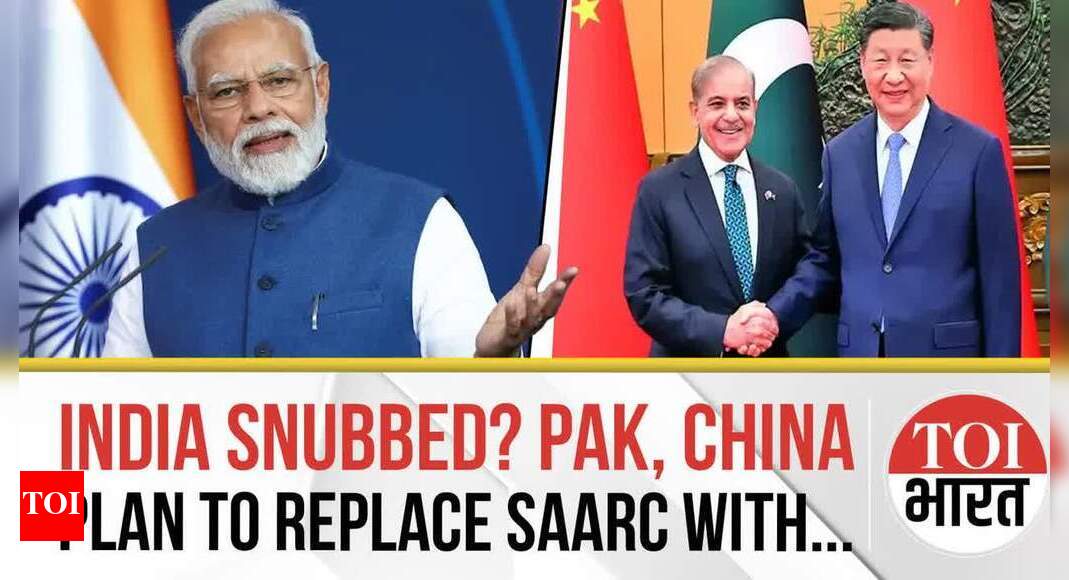
The geopolitical landscape of South Asia has long been defined by the South Asian Association for Regional Cooperation (SAARC), an organization established in 1985 to promote economic and political integration among the nations of the region. However, SAARC's effectiveness has been hampered by various factors, including persistent tensions between India and Pakistan, the dominant regional powers. This has led to a search for alternative frameworks that could foster greater cooperation and stability. The report suggesting that Pakistan and China are actively developing a proposal for a new regional organization, potentially to replace SAARC, marks a significant development with far-reaching implications for the region and beyond. The core of this proposal, according to reports, lies in the emphasis on regional integration and connectivity. This aligns with China's broader Belt and Road Initiative (BRI), which seeks to connect Asia, Africa, and Europe through a network of infrastructure projects, trade routes, and economic corridors. Pakistan has been a key partner in the BRI, with the China-Pakistan Economic Corridor (CPEC) serving as a flagship project. The proposed new regional organization could, therefore, be seen as a means to further integrate Pakistan into the BRI framework and to expand China's influence in the region. The meeting in Kunming, involving Pakistan, China, and Bangladesh, underscores the initial steps taken towards realizing this vision. The reported intention to invite other former SAARC members, including India, Sri Lanka, Maldives, and Afghanistan, highlights the ambition to create a broader regional platform. However, the inclusion of India, given its existing tensions with both Pakistan and China, remains a significant challenge. India's perspective on this proposed new organization is likely to be shaped by several factors. First, India may view it as an attempt by China to undermine its regional influence and to establish a new power bloc that excludes or marginalizes India. Second, India may be concerned about the potential security implications of a China-led regional organization, particularly given its ongoing border disputes with China and its concerns about China's growing military presence in the Indian Ocean. Third, India may question the transparency and governance structures of the proposed organization, fearing that it could be dominated by China and used to advance its own strategic interests. The success of this initiative hinges on addressing these concerns and ensuring that the new organization is inclusive, transparent, and benefits all member states. The potential for this new bloc to supersede SAARC arises from several weaknesses that currently plague the existing organization. Firstly, the bilateral tensions, especially between India and Pakistan, have routinely stalled progress on key initiatives. The consistent disruptions to SAARC summits and the difficulty in achieving consensus on crucial issues have rendered SAARC increasingly ineffective. Secondly, SAARC has struggled to implement ambitious projects due to a lack of resources and institutional capacity. The proposed new organization, with China's economic might and experience in infrastructure development, may offer a more robust framework for regional cooperation. Thirdly, SAARC's focus has been somewhat limited, primarily emphasizing trade and economic cooperation. The new organization, by integrating connectivity as a central element, could potentially unlock new opportunities for regional growth and development. The geopolitical implications of this development are multifaceted. A new regional power bloc led by China and Pakistan could reshape the balance of power in South Asia. It could lead to increased competition between China and India for regional influence. It could also have implications for the security dynamics of the region, particularly if the new organization becomes a platform for security cooperation. The success or failure of this initiative will depend on several factors, including the willingness of all member states to engage constructively, the ability to address concerns about transparency and governance, and the capacity to deliver tangible benefits to all participants. The proposed new regional organization also presents both opportunities and challenges for smaller SAARC members, such as Sri Lanka, Maldives, Nepal, and Bhutan. On the one hand, these countries could benefit from increased access to Chinese investment and infrastructure development. On the other hand, they may be concerned about becoming overly reliant on China and losing their autonomy in foreign policy. These smaller nations will have to carefully weigh the potential benefits and risks of joining the new organization and ensure that their interests are protected. The economic consequences of a new regional bloc are also significant. It could lead to increased trade and investment flows within the region. It could also create new opportunities for economic growth and development. However, it could also lead to increased competition among member states and could potentially disadvantage countries that are not well-integrated into the BRI framework. The integration with the BRI also means the standards for infrastructure projects and trade practices will be influenced by Chinese practices. This may lead to environmental concerns, debt sustainability issues, and a shift in labor standards. It is important to ensure that any new economic arrangement prioritizes sustainability, inclusivity, and equitable distribution of benefits. Furthermore, a significant consideration is the impact on regional security. While the stated aim is economic cooperation and connectivity, the involvement of China, known for its assertive foreign policy and military modernization, raises concerns about the potential for increased security competition in the region. The unresolved territorial disputes, particularly between India and China, and the ongoing instability in Afghanistan, could be further complicated by the emergence of a new regional power bloc. Effective mechanisms for conflict resolution and confidence-building measures will be crucial to mitigate these risks. The role of the United States in the region also needs to be considered. The US has traditionally been a major player in South Asia, and its relationship with India has grown closer in recent years. The emergence of a China-led regional organization could potentially challenge US influence in the region. The US may seek to strengthen its ties with India and other countries in the region to counter China's growing influence. This could lead to increased geopolitical competition in the region. Finally, the impact of this new initiative on the people of South Asia should not be overlooked. Increased regional cooperation could lead to greater economic opportunities, improved infrastructure, and enhanced connectivity. However, it could also lead to increased social and cultural tensions, particularly if the benefits of cooperation are not distributed equitably. It is important to ensure that the new organization is responsive to the needs and aspirations of the people of South Asia and that it promotes inclusive and sustainable development. In conclusion, the proposal for a new regional organization led by Pakistan and China represents a significant development with far-reaching implications for South Asia and beyond. It has the potential to reshape the geopolitical landscape of the region, to accelerate economic integration, and to enhance connectivity. However, it also presents significant challenges, including concerns about regional security, transparency, and governance. The success of this initiative will depend on the willingness of all member states to engage constructively, to address concerns about potential risks, and to ensure that the new organization benefits all participants. The path forward requires careful consideration, open dialogue, and a commitment to building a more stable, prosperous, and inclusive South Asia. Moreover, the creation of such a bloc requires serious negotiation and transparency. The lack of transparency can foster mistrust and resistance among potential members, particularly India, who might perceive this as an attempt to curtail its influence in the region. It is therefore paramount that the architects of this new organization ensure open communication, addressing concerns of all parties involved and fostering a spirit of collaboration, rather than competition. This new organization also must define a clear governance structure that promotes equity, accountability, and transparency. Without a well-defined governance structure, it runs the risk of being dominated by a single entity, potentially undermining the interests and autonomy of smaller member states. Independent oversight mechanisms and dispute resolution processes are necessary to ensure fair and equitable treatment of all members. Furthermore, it is crucial for the proposed organization to prioritize sustainable development. Economic growth should not come at the expense of the environment or social well-being. Projects initiated under the auspices of this organization should adhere to the highest environmental standards, promote inclusive growth, and address social inequalities. Finally, the proposed organization must remain adaptable and responsive to evolving geopolitical realities. The international landscape is constantly shifting, and the organization must be able to adjust its strategies and priorities accordingly. Flexibility and innovation will be key to ensuring its long-term relevance and effectiveness. This includes remaining open to incorporating new technologies, adapting to changing economic conditions, and addressing emerging security threats. By addressing these challenges and embracing these opportunities, the proposed new regional organization has the potential to transform South Asia into a more prosperous, integrated, and stable region. However, failure to do so could exacerbate existing tensions and undermine regional stability. Therefore, careful planning, open communication, and a commitment to inclusive and sustainable development are essential for the success of this ambitious endeavor.
Source: New regional power bloc? Pakistan, China planning to replace Saarc; what report said