
 |
|
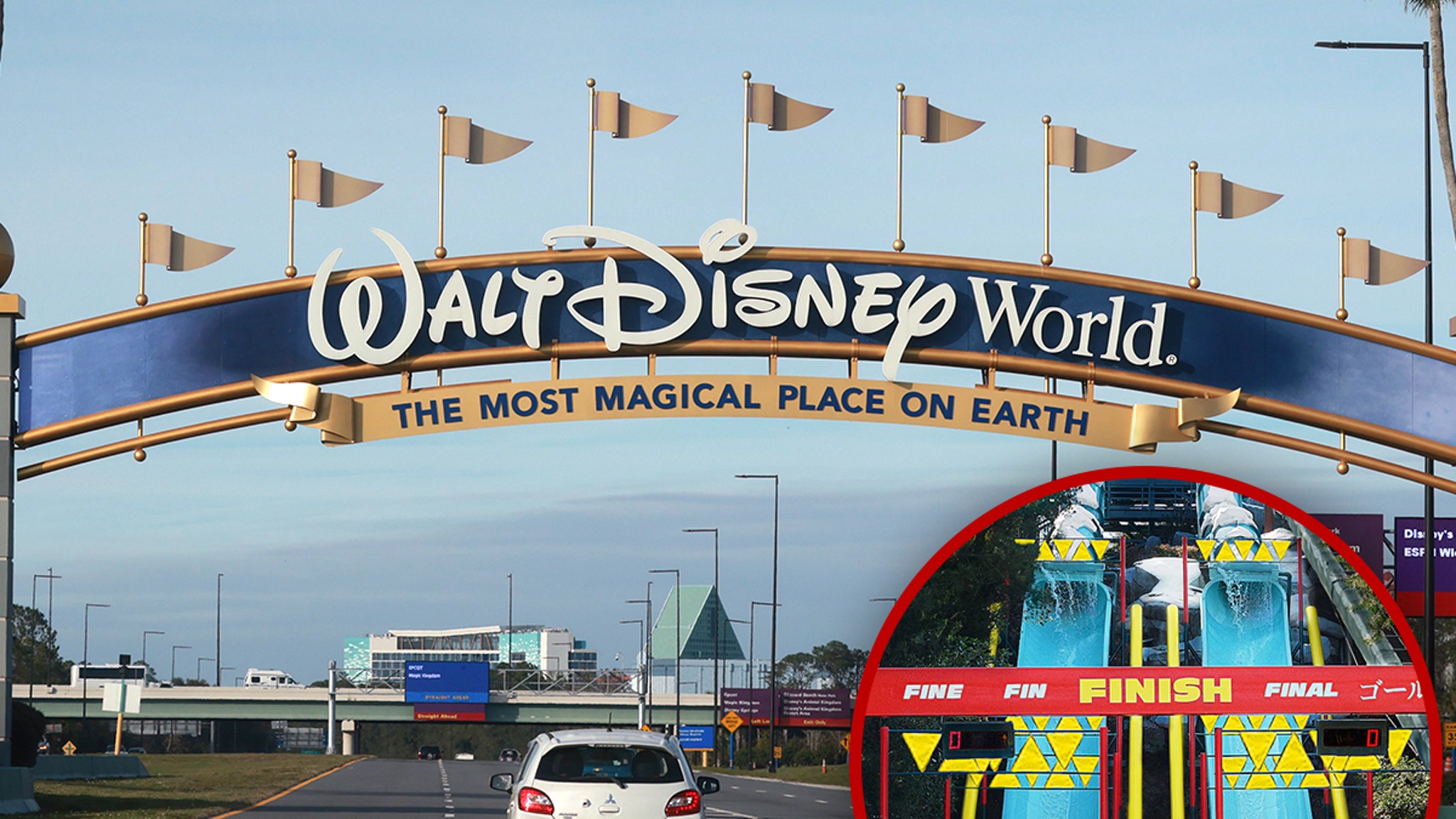
This case highlights the complexities of personal injury law, particularly within the context of amusement park incidents. Eugene Strickland's lawsuit against Walt Disney World, stemming from an alleged injury sustained on the Downhill Double Dipper waterslide at Blizzard Beach, raises several pertinent legal questions and ethical considerations. The core of the dispute revolves around Disney's responsibility to ensure the safety of its patrons, specifically concerning the enforcement of weight restrictions and the potential hazards associated with the ride's design. Strickland contends that Disney failed to adequately warn riders about the risks or rectify the alleged design flaws that contributed to his injury. Disney's defense will likely center on the argument that Strickland's disregard for the posted weight limit absolves them of liability, or that they took reasonable measures to ensure rider safety. This case underscores the importance of clearly communicated safety guidelines and the potential consequences when those guidelines are not followed. Furthermore, the lawsuit sheds light on the broader issue of corporate responsibility in maintaining safe environments for recreational activities. The legal proceedings will likely involve expert testimony on waterslide design, safety protocols, and the extent of Strickland's alleged injuries. The outcome could have implications for amusement park liability and the standards of care required in similar settings. The case also touches on the concept of assumption of risk, wherein individuals knowingly engage in activities that carry inherent dangers. Determining the extent to which Strickland assumed the risk of injury by exceeding the weight limit will be a crucial aspect of the legal analysis. The lawsuit's emphasis on Disney's alleged negligence in failing to address known hazards or provide adequate warnings places a significant burden on the plaintiff to demonstrate a causal link between the alleged design flaws and his injuries. The defense may argue that other factors, such as Strickland's physical condition or the inherent risks of water slides, contributed to the incident. The legal battle will undoubtedly be protracted and costly, with both sides investing significant resources in presenting their respective arguments. The ultimate decision will rest with the court, which will weigh the evidence presented and apply relevant legal principles to determine whether Disney is liable for Strickland's injuries. The case serves as a reminder of the potential risks associated with amusement park rides and the importance of adhering to safety guidelines. It also underscores the legal responsibilities of amusement park operators to maintain safe environments for their patrons. The outcome of this lawsuit could influence future safety standards and legal precedents in the amusement park industry. The alleged negligence of Disney in this case is a major factor to consider. It is important that Disney followed all safety guidelines and regulations, and that they properly maintained the waterslide. The fact that the plaintiff exceeded the weight limit is also a major factor. It is important to consider whether the plaintiff was aware of the weight limit and whether he was warned about the risks of exceeding the weight limit. The injuries the plaintiff sustained are also a major factor. It is important to consider the severity of the injuries and the extent to which the injuries have impacted the plaintiff's life. The outcome of the case will likely depend on the specific facts and circumstances of the case, as well as the applicable law. However, it is possible that Disney could be held liable for the plaintiff's injuries if it is found that Disney was negligent in some way. The plaintiff will have to provide sufficient evidence in order to prove negligence on Disney's part. There are many legal arguments and ethical implications associated with this case. The overall result of the case will be a major precedent moving forward.
Examining the legal nuances of this case requires a thorough understanding of premises liability law, which governs the responsibilities of landowners and businesses to maintain safe conditions for visitors. Disney, as the owner and operator of Blizzard Beach, has a duty to exercise reasonable care to protect its patrons from foreseeable harm. This duty encompasses inspecting the premises for hazards, warning visitors of known risks, and taking reasonable steps to remedy dangerous conditions. Strickland's claim hinges on the argument that Disney breached this duty by failing to adequately address the alleged design flaws of the Downhill Double Dipper waterslide or to provide sufficient warnings regarding the weight restrictions. The concept of 'reasonable care' is a cornerstone of negligence law, and its application in this case will depend on a careful assessment of the specific facts and circumstances. The court will consider whether Disney's actions (or inactions) fell below the standard of care that a reasonably prudent amusement park operator would have exercised under similar conditions. Factors such as the frequency of similar incidents, the cost of implementing preventative measures, and the severity of the potential harm will all be relevant to this analysis. Moreover, the doctrine of comparative negligence may come into play if the court finds that Strickland's own actions contributed to his injuries. Even if Disney is found to have been negligent, Strickland's recovery may be reduced if he is determined to have been partially at fault. For example, if the court finds that Strickland knowingly exceeded the weight limit and disregarded the warnings, his damages may be proportionally reduced. The legal analysis will also delve into the issue of causation, which requires Strickland to prove a direct link between Disney's alleged negligence and his injuries. This means demonstrating that the alleged design flaws or inadequate warnings were a substantial factor in causing him to be launched from the waterslide and sustain injuries. Disney may attempt to argue that other factors, such as Strickland's physical condition or the inherent risks of water slides, were the primary cause of his injuries. Expert testimony will likely be crucial in establishing or refuting the causal link between the alleged negligence and the injuries. Engineers, safety experts, and medical professionals may be called upon to provide opinions on the design of the waterslide, the adequacy of the warnings, and the nature and extent of Strickland's injuries. The discovery process, which involves the exchange of information and documents between the parties, will also be critical in uncovering relevant evidence. This may include internal documents related to the design, maintenance, and safety inspections of the Downhill Double Dipper waterslide, as well as records of prior incidents or complaints. Ultimately, the outcome of the case will depend on the persuasiveness of the evidence presented and the court's interpretation of the applicable law. The burden of proof rests on Strickland to demonstrate, by a preponderance of the evidence, that Disney was negligent and that its negligence caused his injuries. The legal battle will be a complex and multifaceted one, involving a careful balancing of competing interests and legal principles.
Beyond the immediate legal ramifications, the case also raises important ethical considerations concerning corporate responsibility and consumer safety. Disney, as a major entertainment corporation, has a moral obligation to prioritize the safety and well-being of its patrons. This obligation extends beyond simply complying with legal requirements and encompasses a proactive approach to identifying and mitigating potential risks. The lawsuit raises questions about whether Disney adequately fulfilled this ethical obligation in the design, operation, and maintenance of the Downhill Double Dipper waterslide. Did Disney take all reasonable steps to ensure that the ride was safe for its intended users, and did it provide adequate warnings to those who might be at risk? The ethical dimensions of the case also extend to the issue of fairness and transparency. Did Disney provide clear and conspicuous warnings about the weight restrictions and the potential risks associated with exceeding those limits? Were the warnings easily understandable and accessible to all riders, including those with disabilities or language barriers? The lawsuit also raises questions about the potential for exploitation of vulnerable individuals. Did Disney have a responsibility to take additional precautions to protect riders who might be more susceptible to injury, such as those who are overweight or have pre-existing medical conditions? The ethical analysis must also consider the principle of informed consent, which requires individuals to make voluntary and informed decisions about the risks they are willing to assume. Did Strickland have a full understanding of the risks associated with riding the Downhill Double Dipper waterslide, and did he voluntarily assume those risks? The answers to these ethical questions are not always clear-cut, and they may depend on differing values and perspectives. However, they are essential to a comprehensive understanding of the case and its broader implications. From a utilitarian perspective, the goal should be to maximize the overall happiness and well-being of all stakeholders. This may involve balancing the interests of Disney, its patrons, and the community as a whole. A just and equitable resolution of the case would seek to compensate Strickland for his injuries while also deterring Disney from engaging in similar conduct in the future. A deontological perspective, on the other hand, would focus on the moral duties and obligations of Disney, regardless of the consequences. This may involve upholding the principles of fairness, transparency, and respect for individual autonomy. A virtue ethics perspective would emphasize the importance of character and moral virtue. This may involve assessing whether Disney acted with integrity, compassion, and a commitment to excellence in the design and operation of its amusement parks. Ultimately, the ethical dimensions of the case are complex and multifaceted, and they require a careful consideration of competing values and perspectives. A just and equitable resolution would seek to balance the interests of all stakeholders while upholding the principles of fairness, transparency, and respect for individual autonomy. The lawsuit is also a good example of the need for risk management. Disney should have been aware of the risks associated with the waterslide and should have taken steps to mitigate those risks. These steps could have included stricter enforcement of weight limits, improved warning signs, and modifications to the design of the waterslide. Overall, the case has implications for the entire entertainment industry. These companies should review their safety procedures and risk management plans to ensure that they are doing everything possible to protect their customers.
Considering the potential impact of this case on future legal and safety standards within the amusement park industry is crucial. A ruling in favor of Strickland could establish a precedent that holds amusement park operators to a higher standard of care, particularly regarding the enforcement of weight restrictions and the design of rides. This could lead to stricter regulations and more frequent inspections of amusement park facilities, as well as increased litigation against amusement park operators in the event of injuries. Conversely, a ruling in favor of Disney could reinforce the principle of individual responsibility and the assumption of risk in recreational activities. This could make it more difficult for injured riders to prevail in lawsuits against amusement park operators, particularly if they have disregarded posted warnings or safety guidelines. The case could also influence the development of new technologies and safety features for amusement park rides. Amusement park operators may be incentivized to invest in technologies that can automatically detect and prevent riders from exceeding weight limits, or that can mitigate the risk of injuries in the event of an accident. In addition, the case could prompt a re-evaluation of the warning signs and safety instructions provided to riders. Amusement park operators may be required to provide clearer and more prominent warnings about the potential risks associated with riding their rides, as well as to ensure that these warnings are easily understandable and accessible to all riders. The case could also have implications for the insurance industry. Insurance companies may reassess the risks associated with insuring amusement parks and may increase premiums or require stricter safety protocols. The case could also lead to greater public awareness of the potential risks associated with amusement park rides. Consumers may become more cautious about riding rides and may be more likely to follow safety guidelines. The case highlights the importance of a proactive approach to safety management within the amusement park industry. Amusement park operators should regularly review their safety procedures and risk management plans to ensure that they are doing everything possible to protect their customers. They should also invest in training and education for their employees, as well as in new technologies and safety features. In addition, the case underscores the need for greater transparency and accountability within the amusement park industry. Amusement park operators should be transparent about the potential risks associated with their rides and should be held accountable for any negligence that results in injuries. The case could also prompt a broader discussion about the role of government regulation in ensuring the safety of amusement park rides. Some may argue that there is a need for stronger government oversight of the amusement park industry, while others may argue that the industry is capable of self-regulation. Ultimately, the impact of this case on future legal and safety standards will depend on a variety of factors, including the specific facts and circumstances of the case, the court's interpretation of the applicable law, and the response of the amusement park industry and the public. However, it is clear that the case has the potential to significantly shape the future of amusement park safety and regulation. This is why there is an importance to maintain safe environments for recreational activities. Furthermore, legal precedents have been set based off of these cases. The need for the industry to review and update their safety procedures and risk management plans is critical. In order to ensure the safety of customers moving forward, the risks should be mitigated. This could be done by strict enforcement of the weight limits and the design of rides and waterslides.
The outcome of the Eugene Strickland v. Walt Disney World lawsuit is poised to reverberate throughout the amusement park industry, potentially reshaping safety protocols, legal liabilities, and consumer expectations. This case serves as a stark reminder of the inherent risks associated with recreational activities, and the crucial role of both individuals and corporations in mitigating those risks. By meticulously scrutinizing the details of this case, legal scholars, industry professionals, and consumers can gain valuable insights into the complexities of premises liability, the ethical obligations of corporations, and the importance of informed consent. A ruling in favor of Strickland would likely incentivize amusement park operators to adopt more stringent safety measures, including enhanced weight restrictions, improved warning systems, and comprehensive staff training. Such a verdict would underscore the responsibility of these operators to proactively identify and address potential hazards, and to prioritize the well-being of their patrons above all else. Conversely, a ruling in favor of Disney could embolden amusement park operators to rely more heavily on individual responsibility and the assumption of risk, potentially leading to a relaxation of safety standards and an increase in consumer injuries. However, even in this scenario, the case would likely spark public debate and scrutiny, prompting consumers to demand greater transparency and accountability from amusement park operators. Regardless of the outcome, this case highlights the importance of ongoing dialogue and collaboration among stakeholders, including legal professionals, industry experts, government regulators, and consumer advocacy groups. By working together, these stakeholders can ensure that amusement parks remain safe, enjoyable, and accessible for all. It is also critical for individuals to take personal responsibility for their own safety by adhering to posted warnings, following safety guidelines, and making informed decisions about the risks they are willing to assume. In conclusion, the Strickland v. Disney World lawsuit represents a pivotal moment in the ongoing evolution of amusement park safety and regulation. Its ultimate resolution will have far-reaching implications for the industry, and will serve as a critical benchmark for future legal and ethical considerations. By carefully analyzing the legal arguments, ethical implications, and potential consequences of this case, all stakeholders can work together to create a safer and more responsible amusement park experience for everyone. The details are important and all sides must follow the law. The key is that both sides present their case and the jury and or court will decide. There are many important factors to consider and the evidence will show who is in the right or wrong. The plaintiff has a burden to prove negligence and the defendant has the right to defend themselves. The court system allows these to be done and eventually we will know the outcome. However, no matter what the outcome, the main point is the safety of the amusement parks and that it is the most important factor.
Source: Disney World Hit Sued, Overweight Rider Claims Injuries From Waterslide