
 |
|
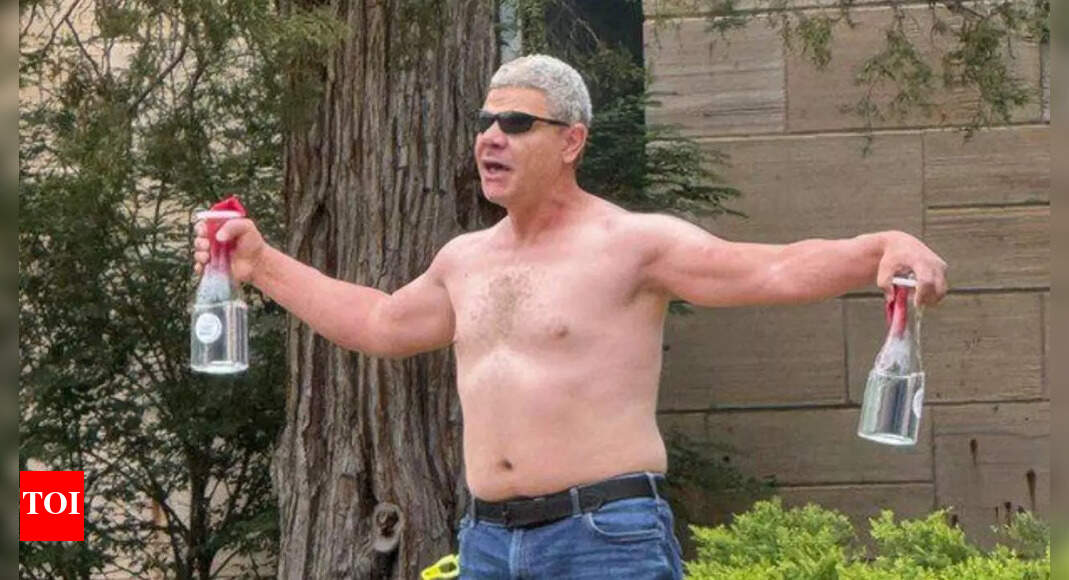
The recent terror attack in Boulder, Colorado, allegedly perpetrated by Mohamed Sabry Soliman, has ignited a firestorm of controversy, not only for the heinous nature of the crime itself but also for the initial misidentification of the suspect’s race. Soliman, an Egyptian national residing illegally in the United States, stands accused of targeting a pro-Israel volunteer group with a makeshift flamethrower and incendiary devices, while reportedly shouting in support of Palestine. The attack, which injured several individuals ranging in age from 67 to 88, including an 88-year-old Holocaust survivor, has been widely condemned as an act of antisemitic terror. However, the immediate aftermath of the incident saw several news outlets initially describe the suspect as a 'white male,' a characterization that quickly drew widespread criticism and accusations of whitewashing on social media platforms. This initial misidentification, fueled by a viral video depicting the attacker shirtless and brandishing what appeared to be Molotov cocktails, has amplified the outrage surrounding the attack and raised serious questions about journalistic accuracy and potential biases in reporting.
The discrepancy between the initial description and the suspect's actual identity as an Egyptian illegal immigrant highlights the complex interplay of race, immigration, and political narratives in contemporary society. The speed with which the 'white male' label was disseminated, coupled with the subsequent revelation of Soliman's Egyptian origin and immigration status, has led to accusations that some media outlets were deliberately attempting to obscure the suspect's true identity in order to fit a pre-existing narrative or avoid potentially sensitive discussions about immigration and terrorism. Critics argue that the initial misidentification could have been avoided with more diligent fact-checking and a more cautious approach to reporting unconfirmed information. Furthermore, the incident has sparked a broader debate about the role of media in shaping public perceptions of crime and terrorism, with some accusing outlets of selectively highlighting or downplaying certain aspects of a story based on political considerations or preconceived notions. The term 'white male' carries significant weight in the current sociopolitical climate, often associated with narratives of privilege, dominance, and right-wing extremism. Using that label prematurely, before any confirmation, significantly shaped early reactions to the event.
The details surrounding Soliman's immigration history further complicate the narrative. According to reports, he entered the United States legally on August 27, 2022, with a non-immigrant visa valid until February 26, 2023. However, he overstayed his visa and became an illegal immigrant, allegedly two months prior to the attack. The report also indicates that he filed a claim and was cleared for work authorization in March 2023, a situation that raises questions about the effectiveness of immigration enforcement and the potential for individuals to exploit loopholes in the system. The fact that Soliman was previously denied a visa in 2005 further underscores the need for a comprehensive review of the screening processes and security protocols in place to prevent potentially dangerous individuals from entering or remaining in the country illegally. The information paints a picture of a system that, for whatever reason, was unable to prevent Soliman from both entering the country and remaining here illegally, culminating in the horrific attack in Boulder.
The 'Run for Their Lives' group, the target of the attack, organizes events to raise awareness and advocate for the release of Israeli hostages held in Gaza. This detail adds another layer of complexity to the story, suggesting that the attack may have been motivated by political or ideological beliefs related to the Israeli-Palestinian conflict. The suspect's alleged shout of 'Free Palestine' during the attack further supports this theory. The targeting of a group advocating for the release of hostages is particularly troubling, as it demonstrates a willingness to inflict violence on individuals based on their perceived association with a particular political cause or nationality. The fact that the victims were primarily elderly individuals, including a Holocaust survivor, makes the attack even more reprehensible. Such a targeted attack speaks to a deeper societal polarization and the dangers of allowing extremism to fester unchecked.
The incident serves as a stark reminder of the need for responsible and accurate reporting in the age of social media. The rapid spread of misinformation and the tendency to jump to conclusions can have serious consequences, particularly in the context of sensitive and politically charged events. News organizations have a responsibility to verify information before disseminating it to the public, and to avoid perpetuating stereotypes or biases that could further inflame tensions. The initial misidentification of Soliman as a 'white male' highlights the potential for unconscious bias to influence reporting, and underscores the importance of diversity and inclusivity in newsrooms. Further, the incident underscores the ever-present threat of terrorism, both domestic and international, and the need for law enforcement agencies to remain vigilant in protecting communities from such attacks. The fact that the attack took place in Boulder, Colorado, a city known for its progressive politics and peaceful atmosphere, serves as a reminder that no community is immune to the threat of violence. The motivations behind the crime and how it was committed serve as a worrying reminder of the possibility and danger of antisemitism within the United States.
Ultimately, the Boulder terror attack and the subsequent controversy surrounding the suspect's initial misidentification have exposed deep divisions and fault lines in American society. The incident has raised critical questions about race, immigration, media bias, and the threat of political violence. Addressing these issues requires a commitment to truth, accuracy, and responsible dialogue. The media needs to be more circumspect in their reporting of events and police more forthright in the information they provide to media outlets. Furthermore, communities must come together to condemn all forms of hatred and extremism, and to work towards building a more inclusive and tolerant society. Only through collective action and a shared commitment to justice can we hope to prevent similar tragedies from occurring in the future. The victims of the attack deserve justice, and the community deserves to feel safe and secure. The path forward requires a concerted effort to address the root causes of violence and extremism, and to promote understanding and empathy across all segments of society. The long-term damage that such an event can cause to both the direct victims, the community, and the wider reputation of tolerance in the area cannot be understated.
Source: Outrage over Boulder terror suspect Mohamed Sabry Soliman being initially described as 'white male'