
 |
|
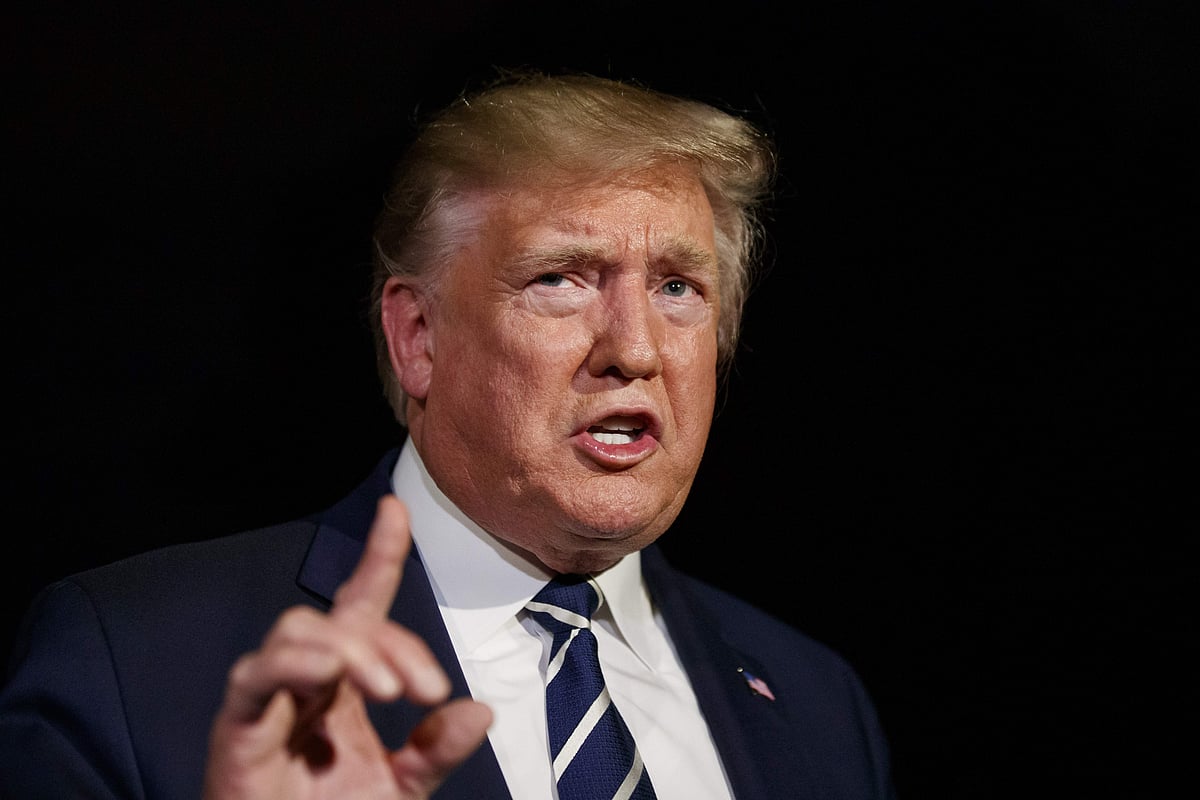
The global financial markets reacted with noticeable volatility on Tuesday, as the ongoing tensions between Israel and Iran, compounded by President Trump's sudden departure from the G7 summit in Canada, stoked fears of a wider conflict and potential US intervention. Oil prices experienced a significant surge, reflecting concerns about supply disruptions in the Middle East, a region vital to global oil production and distribution. The stock markets, particularly in the United States and Europe, responded negatively, with major indices declining as investors grew increasingly risk-averse. The confluence of geopolitical instability and economic data further fueled uncertainty, creating a complex environment for traders and analysts alike. The sharp increase in oil prices can be attributed to several factors, including the perceived threat to critical oil infrastructure in the Middle East. Any escalation of the conflict could potentially disrupt the flow of oil through key shipping lanes, such as the Strait of Hormuz, which is a crucial transit point for a significant portion of the world's oil supply. Investors typically react to such threats by bidding up oil prices, anticipating potential shortages and higher costs. This phenomenon is further exacerbated by the increased risk premium associated with investing in assets linked to the region. The concerns about a potential US intervention also played a significant role in driving up oil prices. Any military action by the United States in the region could further destabilize the situation, potentially leading to a more protracted and widespread conflict. Investors tend to view such scenarios as negative for the global economy and disruptive to trade and investment flows. The prospect of sanctions being imposed on Iran, a major oil producer, could also restrict the supply of oil to the global market, further contributing to price increases. The negative performance of the stock markets reflected the increased risk aversion among investors. Geopolitical uncertainty tends to weigh heavily on investor sentiment, as it creates an unpredictable environment that can undermine corporate earnings and economic growth. Investors often respond to such uncertainty by reducing their exposure to risky assets, such as stocks, and shifting their investments to safer havens, such as government bonds or precious metals. The disappointing US retail sales data for May also contributed to the negative sentiment in the stock market. The weaker-than-expected retail sales figures suggested that consumer spending, a key driver of economic growth in the United States, may be slowing down. This raised concerns about the overall health of the US economy and its ability to withstand the potential negative impacts of geopolitical tensions and trade disputes. The combination of these factors created a perfect storm for the stock market, leading to a broad-based sell-off across various sectors. The performance of Asian markets was mixed, reflecting the diverse economic and political conditions in the region. While Hong Kong's stock market declined, Shanghai remained relatively flat, and Tokyo experienced gains. This divergence highlights the varying degrees of exposure to the geopolitical risks associated with the Middle East conflict and the different sensitivities to global economic trends. The mixed performance also suggests that investors are carefully assessing the potential impacts of the conflict on specific countries and industries, rather than simply reacting with a blanket approach. The overall market sentiment remained cautious, with investors closely monitoring developments in the Middle East and awaiting further clarification on the potential for US intervention. The lack of any clear signs of de-escalation between Israel and Iran added to the uncertainty, creating a volatile environment for financial markets. The ongoing war of words between the two countries, coupled with the absence of any concrete efforts to resolve the underlying issues, suggests that the tensions could persist for some time to come. This prolonged period of uncertainty could continue to weigh on investor sentiment and contribute to further volatility in the markets. The situation is further complicated by the involvement of various regional and international actors, each with their own vested interests and agendas. The complex web of alliances and rivalries makes it difficult to predict the future course of the conflict and the potential for escalation. The role of the United States in the region remains a key factor in shaping the overall dynamics of the situation. President Trump's decision to withdraw from the Iran nuclear deal and his tough stance towards Iran have been widely seen as contributing to the heightened tensions. Any further actions by the United States could have significant implications for the region and the global economy. The market's reaction to these events underscores the interconnectedness of global financial markets and the sensitivity to geopolitical risks. Investors are increasingly aware of the potential for political events to impact economic outcomes, and they are closely monitoring developments around the world to assess the potential risks and opportunities. The ongoing tensions between Israel and Iran serve as a reminder of the fragility of global stability and the potential for unforeseen events to disrupt the financial markets. The situation calls for careful risk management and a diversified investment strategy to mitigate the potential negative impacts of geopolitical uncertainty. The events described serve as a potent example of how international relations directly affect global economies and markets. Trump's seemingly impulsive departure and Vance's ambiguous statements amplify the already existing anxieties surrounding the situation, leading to palpable fear and uncertainty. Moreover, the dampened US retail sales data adds to the picture, suggesting that consumer confidence, which is the backbone of many developed economies, is itself vulnerable to the geopolitical climate. This paints a complex, intertwined narrative of global instability and economic fragility.
Analyzing the situation further, it becomes apparent that the market's reaction is not simply a knee-jerk response to headlines. Instead, it reflects a deeper understanding of the potential long-term consequences of the conflict. A protracted conflict in the Middle East could have significant implications for global energy supplies, trade flows, and investment patterns. The increased risk of terrorism and cyberattacks could further destabilize the global economy, leading to higher costs for businesses and consumers. The potential for a refugee crisis could also strain resources and exacerbate social tensions in neighboring countries. The economic consequences of the conflict could extend beyond the Middle East, impacting countries and regions around the world. The disruption of global supply chains could lead to higher prices for goods and services, while the increased uncertainty could dampen investment and economic growth. The financial markets could also experience increased volatility, making it more difficult for businesses to raise capital and for investors to generate returns. In addition, the conflict could have significant political and social consequences, both within the Middle East and beyond. The rise of extremism and sectarianism could further destabilize the region, while the increased flow of refugees could create social tensions in neighboring countries. The conflict could also exacerbate existing political divisions and undermine international cooperation. The market's reaction to these potential consequences reflects a growing awareness of the interconnectedness of global issues and the need for a more holistic approach to risk management. Investors are increasingly considering the political, social, and environmental factors that could impact their investments, rather than simply focusing on traditional financial metrics. This trend is likely to continue in the future, as the world becomes increasingly complex and interconnected. The specific actions of key players, such as President Trump, Vice President Vance, and the leaders of Iran and Israel, will be critical in determining the future course of the conflict. Any miscalculation or escalation could have devastating consequences for the region and the global economy. The need for diplomacy and dialogue is paramount, as is the importance of avoiding any actions that could further inflame tensions. The international community has a responsibility to work together to de-escalate the conflict and to promote a peaceful resolution. This will require a concerted effort from all parties involved, as well as a willingness to compromise and to find common ground. The challenges are significant, but the potential rewards are even greater. A peaceful resolution to the conflict could bring stability to the Middle East, boost the global economy, and improve the lives of millions of people. In the meantime, investors should remain vigilant and carefully monitor developments in the region. A diversified investment strategy and a focus on long-term goals can help to mitigate the potential risks associated with geopolitical uncertainty. The current market volatility should be seen as an opportunity to re-evaluate investment portfolios and to position them for future growth. A disciplined approach to investing and a willingness to adapt to changing market conditions can help to navigate the challenges and to capitalize on the opportunities that arise. The situation highlights the importance of informed decision-making and the need to rely on credible sources of information. Investors should avoid making rash decisions based on rumors or speculation, and instead focus on fundamental analysis and a long-term perspective. The advice and guidance of qualified financial professionals can also be invaluable in navigating complex market conditions and in achieving financial goals. The combination of geopolitical risk and economic uncertainty requires a cautious and proactive approach to investing. By carefully managing risk and by staying informed about developments in the global economy, investors can position themselves for success in the years to come. The recent market volatility serves as a reminder of the importance of financial planning and the need to prepare for unexpected events.
The broader implications of this situation extend beyond immediate market fluctuations. The Israel-Iran conflict is deeply rooted in historical, political, and religious complexities. It serves as a microcosm of the wider power struggles and ideological clashes that define the Middle East. The potential for escalation is not merely a hypothetical scenario; it is a real and present danger that could have far-reaching consequences for regional stability and international security. The involvement of external actors, such as the United States, Russia, and European powers, further complicates the situation. These countries have their own strategic interests and alliances in the region, which can either contribute to de-escalation or fuel further conflict. The challenge lies in finding a way to balance these competing interests and to create a framework for dialogue and cooperation. The humanitarian consequences of the conflict are also a major concern. The ongoing violence has already resulted in significant casualties and displacement, and any further escalation could lead to a humanitarian crisis of immense proportions. The need for humanitarian assistance and protection is urgent, and the international community must be prepared to respond effectively. The economic impact of the conflict extends beyond the immediate region. The disruption of trade routes, the destruction of infrastructure, and the loss of investment could have significant consequences for global economic growth. The increased risk of terrorism and cyberattacks could further destabilize the global economy, leading to higher costs for businesses and consumers. The need for a comprehensive approach to addressing the underlying causes of the conflict is paramount. This includes addressing the political, economic, and social grievances that fuel extremism and violence. It also requires promoting good governance, respect for human rights, and the rule of law. The long-term solution to the conflict lies in creating a more inclusive and equitable society that offers opportunities for all. The role of education and cultural exchange in promoting understanding and tolerance is also crucial. By fostering greater awareness of different cultures and perspectives, we can help to break down the barriers of prejudice and misunderstanding. The challenge is to create a more peaceful and just world, where conflicts are resolved through dialogue and cooperation, rather than through violence and aggression. This requires a commitment from all of us to work together towards a common goal. The recent events serve as a reminder of the importance of global citizenship and the need to be engaged in the issues that affect our world. By staying informed and by taking action, we can help to make a difference. The future of the Middle East, and indeed the world, depends on our collective efforts to promote peace, justice, and sustainability. The volatility described in the article serves as a constant reminder that the global economy is fragile and deeply susceptible to international conflict. A single trigger, such as Trump’s G7 departure, can send ripples across markets and highlight the deep, underlying vulnerabilities. Furthermore, this event reinforces the complex relationship between politics and economics, where policy decisions and geopolitical risks interact to shape financial outcomes. Ultimately, responsible investment relies on both navigating the short-term turbulence while keeping an eye on the long-term impacts that geopolitical changes may bring. Careful analysis and diversified portfolios are now, more than ever, required to navigate this uncertain global landscape.
The article also implicitly touches upon the psychological aspect of investing. Fear and uncertainty drive market behavior just as much as concrete economic data. The traders' reactions to the news reflect a collective anxiety about the unknown consequences of escalating tensions. This 'fear premium' is then reflected in the higher oil prices and the lowered stock valuations. Understanding this psychological element is crucial for both individual investors and financial analysts. Ignoring this element can lead to misguided decisions based on emotions rather than logic. Ultimately, the article highlights the importance of staying informed, remaining rational, and having a well-defined investment strategy that can withstand the periodic storms of geopolitical uncertainty. The key lies in discerning the true impact of events from the noise, and in maintaining a long-term perspective even when short-term volatility prevails. The interconnectedness of global financial markets means that events far away can have a direct impact on investment portfolios. The article serves as a case study of this principle, demonstrating how political instability in the Middle East can affect stock markets and commodity prices around the world. Investors need to understand these linkages and take them into account when making investment decisions. Diversification is a key strategy for mitigating risk in this environment. By spreading investments across different asset classes and geographic regions, investors can reduce their exposure to any single event or market. A well-diversified portfolio is less likely to be severely impacted by a geopolitical shock than a portfolio concentrated in a single area. It is also important to have a long-term perspective. Geopolitical events can cause short-term market volatility, but they rarely change the long-term fundamentals of the global economy. Investors who are able to look beyond the immediate headlines and focus on the long-term prospects of their investments are more likely to achieve their financial goals. The article also raises important questions about the role of government policy in shaping market outcomes. The Trump administration's policies towards Iran have been a major factor in the current tensions. Investors need to understand the potential impact of government policies on their investments and make adjustments accordingly. This requires staying informed about political developments and understanding the potential consequences of different policy choices. Overall, the article provides a valuable lesson in the interconnectedness of global markets and the importance of staying informed, remaining rational, and having a well-defined investment strategy. By following these principles, investors can navigate the challenges of geopolitical uncertainty and achieve their financial goals.
Source: Oil prices jump, stocks drop as traders track Israel-Iran crisis